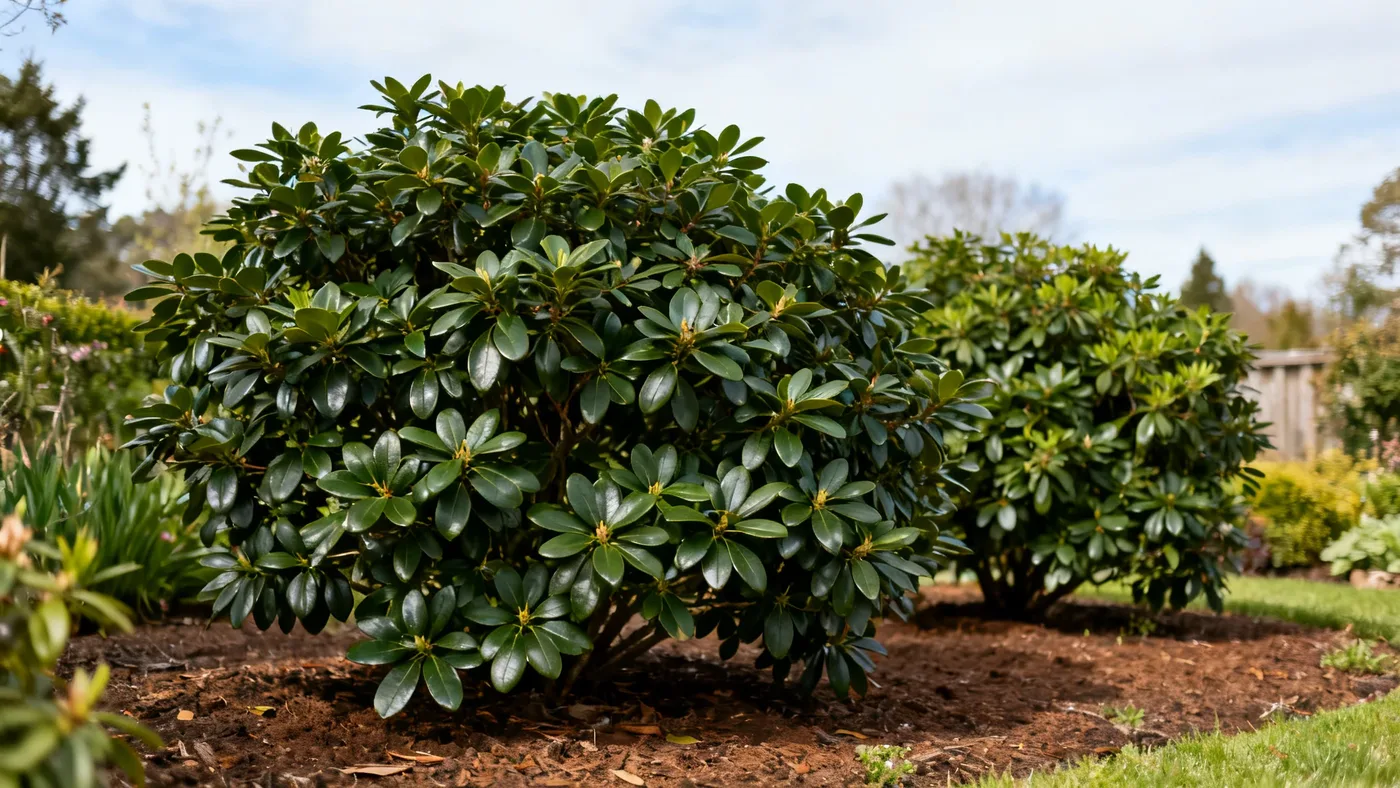
Fertilizing Formosa Azalea: What, When and How Much
Formosa Azalea responds well to targeted feeding at the right time of year. Unlike many plants that need frequent fertilization, this broadleaf evergreen shrub thrives on a simpler schedule. The key is feeding at the moment when the plant is most ready to use nutrients: right after its vibrant magenta-purple flowers fade in spring. This guide walks you through exactly what fertilizer to use, when to apply it, and the best technique for healthy growth without overdoing it.
Materials and Tools You'll Need
You don't need much to fertilize successfully. Gather these items before you start:
- Acid-forming azalea or camellia fertilizer (liquid, granular, or slow-release pellet form)
- Watering can or hose with a spray nozzle for liquid fertilizers
- Garden gloves (recommended for handling granular formulas)
- Bucket or mixing container (if diluting liquid fertilizer)
- Measuring spoon or cup (to follow package directions accurately)
- Soil testing kit (optional but useful for checking your soil pH)
The fertilizer itself is the most important choice. Look for a product labeled specifically for azaleas, camellias, or acid-loving plants. These formulations contain the right balance of nitrogen, phosphorus, and potassium, and they're designed to maintain or lower soil pH, which Formosa Azalea needs to thrive.
When to Fertilize Formosa Azalea
Timing is everything with this plant. Formosa Azalea blooms in early to mid spring, typically from March through April, depending on your zone. Fertilizing right after the flowers finish is the ideal moment.
Why this timing works: once the plant has finished pouring energy into flowers, it redirects that energy toward new growth. Fresh fertilizer applied at this peak growth window gets used most efficiently. Apply your first feeding as soon as the last blooms have faded but while new leaves are still emerging.
A second, lighter feeding in early summer is optional. If you choose to feed twice, the second application should happen in June or early July (zones 8-10 may extend this slightly later, but avoid feeding after midsummer). A light second dose can support vigorous growth during the warmest part of the season, but it's not required.
Never fertilize in fall or winter. This timing encourages tender new growth that will be damaged by cold when dormancy comes. Even in zones 7-10 where Formosa Azalea is hardy, late-season feeding invites frost damage.
Step-by-Step Fertilizing Instructions
Follow these steps for consistent, effective fertilizing:
- Water your plant thoroughly the day before feeding. A moist root zone helps the plant absorb nutrients more efficiently and prevents fertilizer burn. Water deeply so the soil is wet to a depth of several inches around the base.
- Choose your fertilizer form. Liquid fertilizers work quickly and are easy to control; apply them diluted in water according to package directions. Granular or slow-release pellets work more slowly over several weeks; scatter them on the soil surface around the plant's base. Both approaches work equally well if you follow the label.
- Apply fertilizer in a wide circle around the base. Start about 6 inches away from the main stem and work outward to the plant's drip line (roughly where the outermost branches end). Avoid piling fertilizer directly against the stem, which can cause root damage.
- Work granular fertilizer lightly into the soil surface. Use a hand cultivator or the edge of a hoe to gently scratch the top 1 to 2 inches of soil, mixing in granular formula as you go. Don't dig deep; you want to avoid disturbing shallow roots.
- Water thoroughly after applying granular fertilizer. This helps move nutrients into the root zone. For liquid applications, water gently after feeding so the solution soaks in fully.
- Maintain your mulch layer. A 2 to 3 inch layer of organic mulch (shredded bark, compost, or pine straw) over the root zone keeps soil cool and moist, which supports nutrient uptake. Keep mulch a few inches away from the stem to prevent rot.
Tips for Best Results
A few practical habits will give your Formosa Azalea the best chance to respond to feeding:
Check your soil pH before the first feeding. Formosa Azalea needs a pH between 4.5 and 6.0. If your soil is neutral or alkaline, it will struggle to absorb nutrients even if you feed regularly. A soil test kit from a garden center takes minutes and tells you whether amendments are needed. If pH is too high, acid-forming fertilizers and sulfur amendments can help lower it over time.
Use the right strength. Always follow label directions for your chosen fertilizer. More fertilizer does not equal better results; too much salt buildup in the soil can actually harm roots and reduce bloom in the following year. The label is your guide, and it accounts for the specific concentration of that product.
Space feedings apart. If you give both a spring and early summer feeding, space them 4 to 6 weeks apart. Two properly timed, moderate feedings are far more effective than one heavy application.
Don't fertilize newly planted shrubs until after their first bloom. Nursery-grown plants usually come with some residual fertilizer in the soil. Let them settle in for a year before starting your regular schedule.
Common Fertilizing Mistakes to Avoid
Feeding too late in the year. This is the most frequent mistake. Fertilizing after midsummer keeps the plant growing when it should be hardening off for dormancy. In zones 7 and 7b, this is especially risky.
Using a general-purpose lawn or vegetable fertilizer. These are usually formulated to raise or maintain soil pH, which works against Formosa Azalea's needs. Stick with acid-forming azalea fertilizers.
Fertilizing dry soil. Always water your plant before feeding. A dry root zone cannot absorb or process nutrients effectively, and concentrated fertilizer on dry soil can scorch roots.
Applying too much too close to the stem. Heavy fertilizer buildup right at the base of the shrub can kill roots and cause dieback. Keep a safe distance when applying.
Expecting blooms from fertilizer alone. Feeding supports growth and vigor, but bloom depends on good light, appropriate watering, and allowing the plant to complete its growth cycle. Morning sun with afternoon shade gives the best flower production.
What to Expect After Fertilizing
Results from proper fertilizing appear gradually over weeks and months, not overnight. Within a few weeks of spring feeding, you may notice new growth emerges more robustly and foliage looks deeper green. Older leaves may also look healthier and less yellowed if soil pH was a limiting factor.
The real payoff appears the following spring: well-fed plants typically set more flower buds and produce fuller, more abundant blooms the next season. It takes a full year of consistent care (feeding, watering, light) to see a noticeable increase in flower production.
Formosa Azalea Fertilizing Quick Reference
| Aspect | Recommendation |
|---|---|
| Best Fertilizer Type | Acid-forming azalea or camellia fertilizer (granular, liquid, or slow-release) |
| Timing: First Feeding | Right after spring blooms fade (March or April, or immediately post-bloom in your zone) |
| Timing: Optional Second Feeding | Early summer, 4-6 weeks after the first feeding (June or early July) |
| Application Method | Scatter around base 6 inches out to drip line; water in well |
| Avoid Fertilizing After | Midsummer (late June or later in most zones) |
| Target Soil pH | 4.5-6.0 (acid range); test before first feeding if unsure |
| Watering Before Feeding | Essential; water thoroughly the day before or morning of feeding |
| Mulch Layer | 2-3 inches of organic mulch, a few inches away from stem |
Fertilizing Formosa Azalea successfully boils down to one simple rule: feed with an acid-forming product right after bloom finishes in spring, water well, and skip the feeding after midsummer. That single spring feeding is often all you need for a healthy, vigorous shrub. The optional summer feeding is a bonus for gardeners who want to push growth, but it's never required.
For a complete picture of Formosa Azalea care, including watering, pruning, and soil preparation, see our complete Formosa Azalea care guide. Proper feeding is one piece of the puzzle, but all the pieces together are what turn a young plant into a healthy, long-lived landscape shrub that blooms reliably for decades.