Formosa Azalea Care Guide: Everything You Need to Know
Key Takeaways
- Formosa Azalea thrives in zones 7 to 10, with best results in zones 8 to 10
- Needs partial shade with morning sun and afternoon shade for optimal bloom and foliage
- Requires acidic, well-drained soil (pH 4.5-6.0) and regular moisture, especially when young
- Prune immediately after spring bloom; pruning after midsummer removes next year's flowers
- Reaches mature size in 8 to 10 years; will live 50+ years with proper care
Table of Contents
- Meet the Formosa Azalea
- Choosing the Right Light
- Soil and Planting Essentials
- Watering Your Formosa Azalea
- Feeding and Fertilizing
- Pruning and Seasonal Care
- Pests, Diseases, and Common Problems
- Quick Reference Care Checklist
Meet the Formosa Azalea
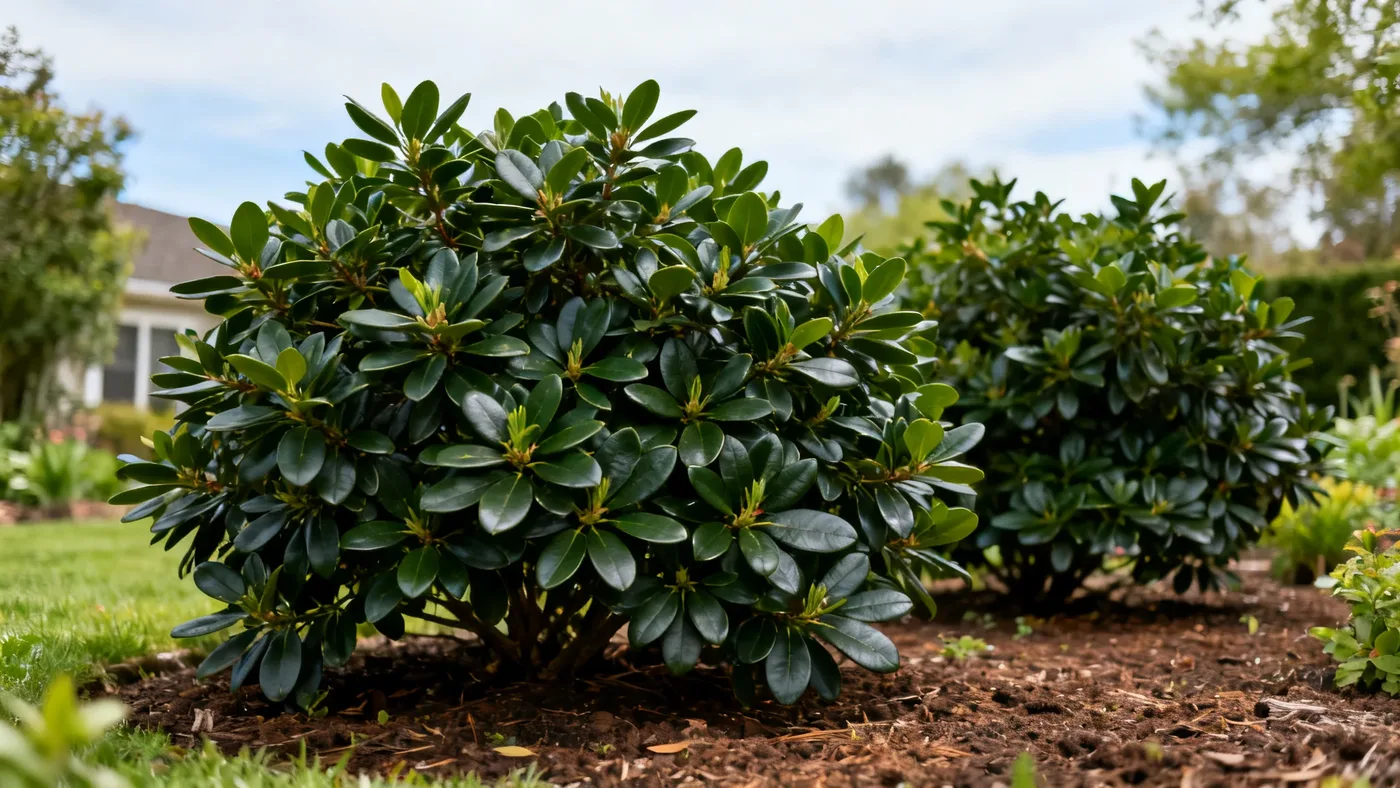
Formosa Azalea (Rhododendron 'Formosa') is a broadleaf evergreen shrub prized for its vivid magenta-purple flowers that blanket the plant each spring. Unlike deciduous azaleas, this plant holds its dark green, glossy foliage year-round, providing structure to your landscape long after the blooms fade. The flowers appear in early to mid-spring, typically March through April, depending on your zone and local climate.
This is a Southern Indica azalea cultivar, not a wild species. It traces its ancestry to East Asian Rhododendron species and became popular across the southeastern United States. Today it remains a workhorse for foundation plantings, hedges, and woodland gardens where reliable spring color is needed.
Size and Growth Rate
Formosa Azalea reaches 6 to 10 feet tall and 6 to 8 feet wide at maturity. Unpruned specimens in ideal conditions can grow taller, reaching 10 to 15 feet over decades. The plant grows at a moderate pace, roughly 1 to 2 feet per year once established. It reaches full mature size in about 8 to 10 years, though nursery-grown plants typically flower the first spring after you plant them.
Hardiness and Climate
Formosa Azalea is cold-hardy in USDA zones 7 through 10, with best performance in zones 8 to 10. If you're in zone 7, select a sheltered location with afternoon shade and protection from harsh winter winds. The plant's performance declines in zones warmer than 10, where afternoon heat and humidity stress the foliage.
Choosing the Right Light
Light is one of your most powerful tools for growing healthy Formosa Azaleas. The ideal location receives morning sun with afternoon shade. In hot, humid climates, prioritize afternoon shade to keep foliage from scorching and to reduce heat stress on the roots.
Full Sun vs. Partial Shade
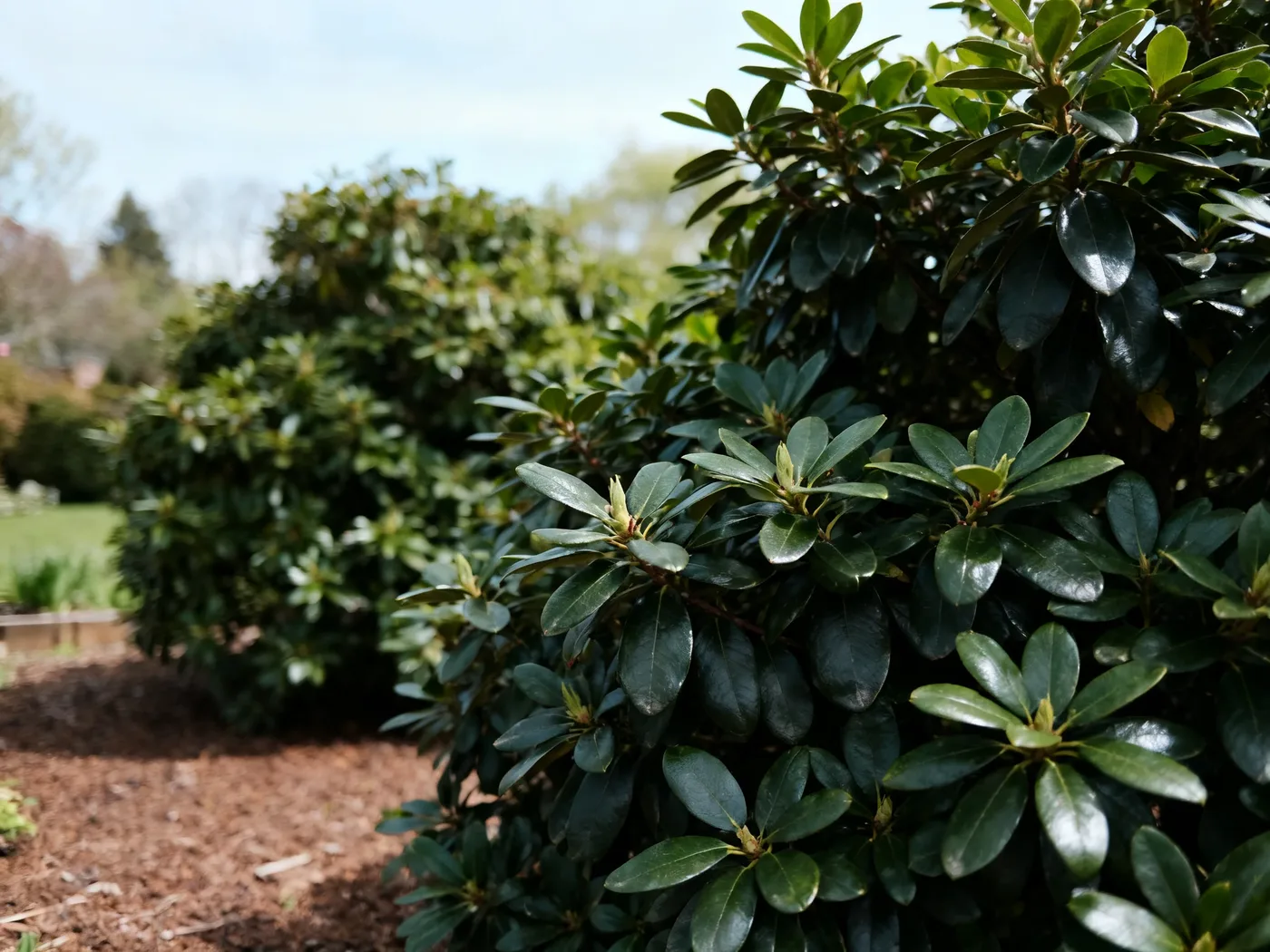
In cooler zones or mild climates, Formosa Azalea tolerates more sun. However, full sun in hot or humid regions will stress the plant, turning foliage pale and increasing water demand. Conversely, full shade reduces bloom significantly. A location that gets morning rays and filtered afternoon sun hits the sweet spot: plenty of light to trigger flowering without the heat stress that damages leaves.
If you're planting near trees, aim for dappled shade that mimics the understory of a woodland garden. The glossy foliage will be denser and slightly larger in shade, creating a fuller appearance.
Soil and Planting Essentials
Formosa Azalea's performance lives or dies by soil chemistry and drainage. This plant is an acid-lover and will not thrive in alkaline conditions.
Soil Requirements
The plant needs acidic, humus-rich, well-drained soil with a pH between 4.5 and 6.0. If your soil is neutral or alkaline (above pH 7), amend it heavily with peat moss, pine bark, or sulfur before planting. Poor drainage is a common killer: the plant's roots are shallow and sensitive to waterlogging, which invites Phytophthora root rot. If your garden has heavy clay soil, build a raised bed or mound of amended soil rather than planting directly into compacted earth.
Mix compost or aged bark into the planting hole. The goal is a loose, moisture-retentive (but not soggy) medium that lets roots breathe.
Planting Timing and Spacing
Plant in fall (preferred in zones with mild winters) or early spring. Nursery-grown plants usually arrive in 1-gallon or 3-gallon containers. Space plants 4 to 6 feet apart if you're creating a mass planting or informal hedge. This allows air circulation and prevents crowding as they mature.
Dig a hole as deep as the root ball and 1.5 times as wide. Set the top of the root ball level with the soil surface (not buried). Backfill with your amended soil mix, water thoroughly, and apply 3 to 4 inches of mulch around the base, stopping a few inches from the stem. Mulch keeps roots cool and maintains consistent moisture.
Watering Your Formosa Azalea
Formosa Azalea is not drought-tolerant, especially when young. This plant needs regular, even moisture during its first two to three years while the root system establishes.
Establishing Young Plants
After planting, water deeply and frequently. Aim for consistently moist (never soggy) soil during the first growing season. During dry spells, water when the top inch of soil feels dry. Young plants with shallow roots dry out quickly in heat, leading to flower and leaf drop. In hot weather or during extended dry periods, water twice weekly rather than relying on rainfall alone.
Mature Plant Watering
Once established after 3 years, Formosa Azalea's drought tolerance improves but remains low to moderate. Even mature plants suffer in prolonged drought. Apply water at the soil line in the early morning to minimize foliage wetness and reduce disease pressure. Avoid overhead watering, which wets leaves and can encourage fungal problems. Maintain consistent mulch to conserve soil moisture and regulate root temperature.
Feeding and Fertilizing
Formosa Azalea responds well to feeding timed to its growth cycle. Use an acid-forming azalea or camellia fertilizer (not a general-purpose fertilizer, which may contain lime).
Spring Feeding
Apply fertilizer in early spring, right after the flowers fade. This timing supports new growth as the plant puts energy into foliage and next year's flower buds. Follow the package rate for your plant size.
Summer Feeding (Optional)
A light second feeding in early summer can support ongoing growth, but it's optional if your soil is reasonably rich. Avoid feeding after midsummer, as late fertilizer can stimulate tender new growth vulnerable to frost in cooler zones.
If your soil tests alkaline, address that first with sulfur or by amending with peat moss. Fertilizer alone cannot overcome poor soil chemistry. A yellowing plant in alkaline soil has chlorosis, a nutrient-uptake problem that feeding won't solve.
Pruning and Seasonal Care
Pruning timing is critical for Formosa Azalea because the plant sets flower buds on new growth in early summer. Prune at the wrong time, and you remove next spring's blooms.
Spring Pruning
Prune immediately after flowering ends, typically by early summer. Remove dead or crossing branches, thin the interior for air circulation, and reshape as needed. This is the only time pruning won't sacrifice bloom. The plant quickly produces new growth that will carry next year's buds.
Summer and Fall
Avoid pruning after midsummer. At that point, the plant has begun setting flower buds on the new growth you're about to cut. Late pruning means fewer flowers in spring.
In fall and winter, simply remove any dead wood or storm damage. The evergreen foliage provides year-round structure and interest, so minimal intervention is needed outside the active growing season.
Pests, Diseases, and Common Problems
Pests to Watch For
Azalea lace bug, spider mites, azalea caterpillar, and scale insects can all affect Formosa Azalea. Spider mites thrive in hot, dry conditions, so consistent watering and humidity help prevent them. Lace bug damage appears as stippled or pale foliage. If infestations are light, strong water spray can dislodge mites and insects; for heavier pressure, treat with an insecticidal soap labeled for azaleas.
Diseases
Petal blight causes flower petals to spot and rot, particularly in cool, wet springs. Azalea leaf gall appears as waxy, pale growths on new leaves. Phytophthora root rot develops in poorly drained soil and is often fatal. Prevent root rot by ensuring excellent drainage and avoiding overwatering. Powdery mildew appears as white coating on leaves in humid conditions with poor air circulation. Thin the plant to allow air movement and avoid wetting foliage.
Common Problems
Chlorosis (yellowing leaves with green veins): Usually a sign of alkaline soil. Test your soil pH; if it's above 6.0, amend with sulfur or peat moss.
Leaf and flower drop: Often caused by drought or heat stress. Check soil moisture and increase watering during dry spells. Afternoon shade helps in hot climates.
Poor bloom: Caused by insufficient light, pruning too late, or removal of flower buds by pest damage. Ensure at least morning sun and prune only immediately after flowering.
Deer Resistance
Formosa Azalea has low deer resistance and is frequently browsed in areas with deer pressure. Protect young plants with fencing if deer are a problem in your region.
Safety and Special Considerations
All parts of Formosa Azalea are toxic to people and pets. The foliage and flowers contain grayanotoxins, which cause vomiting, drooling, and cardiac effects if ingested. Keep children and pets away from the plant, and wash hands after handling it. Plant it where curious hands and mouths cannot easily reach.
Quick Reference Care Checklist
| Care Task | Timing / Frequency |
|---|---|
| Planting | Fall (preferred in mild zones) or early spring |
| Spacing | 4 to 6 feet apart |
| Watering (young plants) | Consistent moisture; water when top inch is dry |
| Watering (established) | Regular during dry spells; early morning at soil line |
| Mulching | Maintain 3 to 4 inches year-round |
| Fertilizing | Early spring after bloom (acid-forming fertilizer) |
| Optional second feeding | Early summer only |
| Pruning | Immediately after bloom (early summer) |
| Avoid pruning after | Midsummer (removes flower buds) |
| Soil pH | 4.5 to 6.0 (test soil before planting) |
| Light requirement | Partial shade, morning sun, afternoon shade ideal |
| Lifespan | 50+ years with proper care |
Formosa Azalea Care at a Glance
Formosa Azalea rewards consistent care with decades of reliable spring color. The key to formosa azalea plant care is matching the right environment: acidic, well-drained soil, partial shade, and regular moisture while young. Once established, this formosa azalea care guide's most important practices are correct pruning timing and feeding in spring. A healthy Formosa Azalea plant will flower reliably, maintain dense evergreen foliage, and grow steadily without fussing.
Whether you're learning how to care for formosa azalea for the first time or refining your technique, start with soil amendment and light positioning. Those two factors alone determine whether your plant thrives or struggles. Water consistently through the establishment phase, prune right after bloom, and feed in spring. With those fundamentals in place, you'll enjoy the vivid magenta-purple flowers year after year.