Formosa Azalea Hardiness Zones: Where Will It Grow?
Understanding Formosa Azalea Hardiness Basics
What hardiness zones does Formosa Azalea grow in?
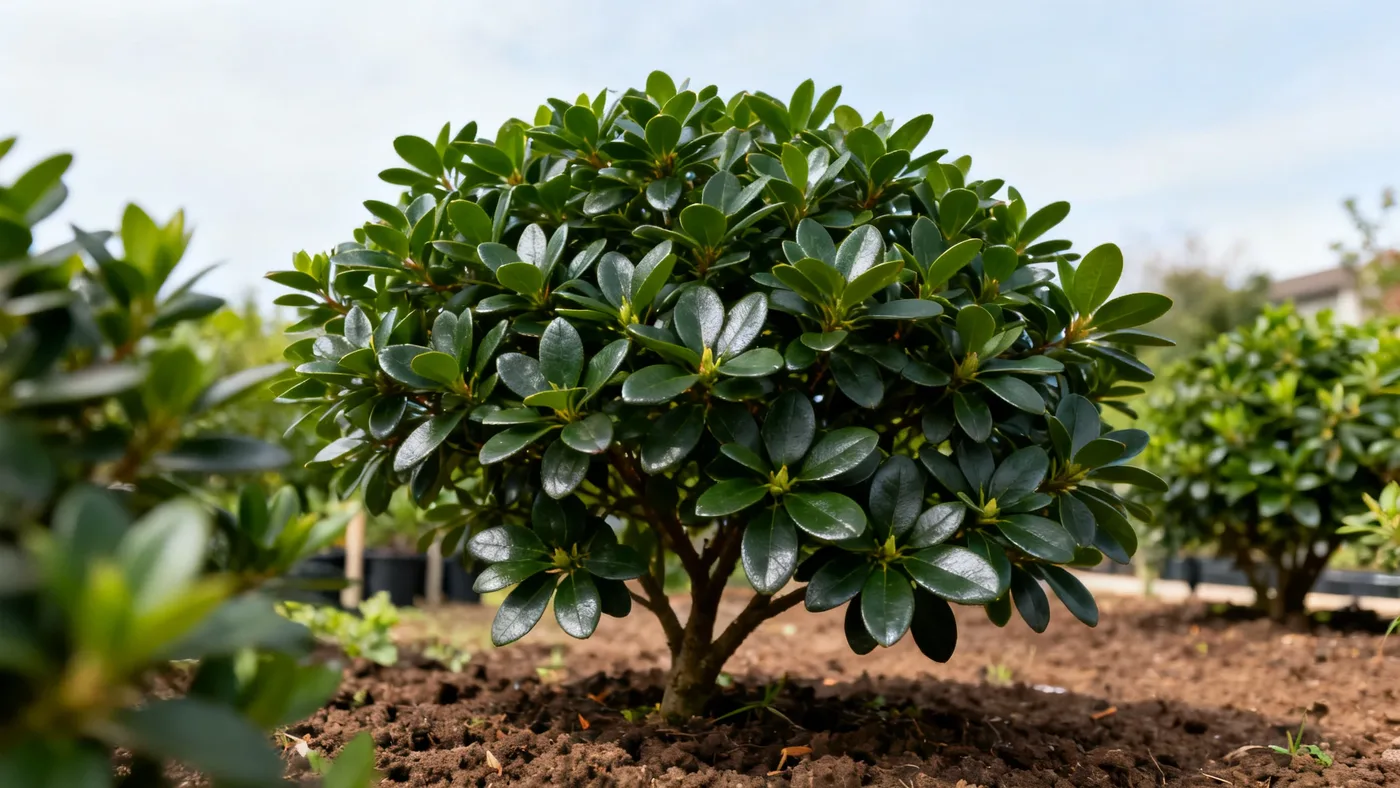
Formosa Azalea (Rhododendron 'Formosa') thrives in USDA zones 7-10, though it performs best in zones 8-10. Some nurseries list zone 7b as the cold-hardy edge for reliable flowering. Once established in milder climates, this evergreen shrub becomes a long-lived landscape fixture, often persisting for 50+ years with proper care.
Is Formosa Azalea cold hardy enough for zone 7?
Zone 7 is marginal for Formosa Azalea; it will survive there but faces challenges. Winter dieback is possible during severe cold snaps, and flower buds set on new growth, so hard freezes can eliminate the following spring's blooms. Protection from harsh wind and afternoon sun exposure improves winter survival significantly in zone 7.
Where does Formosa Azalea perform best?
This cultivar truly excels in zones 8-10, where winter temperatures rarely dip below 10°F. In these regions, the plant grows steadily at roughly 1-2 feet per year, blooms reliably each March through April, and requires minimal winter protection. This is why Formosa Azalea became a staple of Gulf Coast gardens and southeastern landscapes.
Should I try Formosa Azalea if I'm in zone 7?
Yes, if you can offer protection. Choose a sheltered site with afternoon shade, ideally near a building or within a woodland garden. Plant in fall to allow root establishment before winter, and mulch heavily to insulate roots. Many zone 7 gardeners grow this plant successfully by giving it a protected microclimate.
Zone-Specific Growing Conditions
What's different about growing Formosa Azalea in zone 7?
Zone 7 requires intentional site selection and winter preparation. Plant in a location with afternoon shade and wind shelter, avoiding exposed north-facing slopes. Mulch 3-4 inches deep around the base to insulate roots, and delay spring pruning until after the final frost to protect new growth.
Can I grow Formosa Azalea in zone 6?
Zone 6 is not reliably suitable; winter temperatures routinely fall below the 0°F threshold where this shrub survives. If you live in zone 6 and want a spring-blooming azalea, choose hardier cultivars like 'Hino Crimson' (a Kurume hybrid rated to zone 5). These alternatives offer comparable spring color with better cold tolerance for your climate.
Does Formosa Azalea need different care in zone 8 versus zone 10?
Zone 8 requires good drainage and regular supplemental watering during dry summers, plus afternoon shade to prevent leaf scorch. Zone 10 offers year-round warmth but demands consistent moisture and mandatory afternoon shade, as full sun in hot, humid climates stresses foliage. In both zones, acidic soil (pH 4.5-6.0) and mulch remain essential.
How does zone 9 compare to zones 8 and 10 for Formosa Azalea?
Zone 9 offers a sweet spot: reliable winter survival without the intense summer heat stress of zone 10. Afternoon shade is still recommended but slightly less critical than farther south. Humidity management becomes important to prevent fungal issues, but the plant typically thrives with standard care.
Winter Hardiness and Frost Protection
How much cold can Formosa Azalea tolerate?
Formosa Azalea tolerates sustained cold to approximately 0°F, though this varies by plant maturity and site protection. Younger, newly planted specimens are more vulnerable than well-established shrubs that have built deep root systems. A hard late-spring freeze after budbreak can destroy flower buds even if the woody stems survive.
What should I do if a late frost damages my Formosa Azalea?
Frost-damaged flower buds will simply fail to open that season; the shrub will bloom again next spring if the woody stems survive. Do not prune frost-affected stems immediately; wait until you see new growth (usually by June) to identify which tissue is truly dead. Once you confirm dead wood, prune it out in early summer, taking care not to damage living tissue.
Should I protect my Formosa Azalea in winter?
Protection is worth considering in zone 7 and the colder parts of zone 8. Apply 3-4 inches of mulch around the base in late fall, never piling against the stem itself. In exposed locations, burlap screening can reduce drying winter wind damage and sunscald, but remove it by early spring to avoid fungal issues.
What causes evergreen leaf drop on Formosa Azalea in winter?
Winter leaf drop usually signals drought stress or root damage rather than freeze injury, since this plant is evergreen. It may shed older foliage in response to frozen or overly wet soil that starves roots of oxygen. Ensure the plant has good drainage and consistent soil moisture (not soggy) going into winter.
Climate and Regional Considerations
Does humidity affect Formosa Azalea hardiness?
High humidity can actually improve winter survival in borderline zones by reducing drying damage to evergreen foliage. The greater challenge in humid zones 9-10 is preventing summer heat stress and managing fungal disease risk. Good air circulation and afternoon shade become more critical in humid regions.
How does altitude affect Formosa Azalea planting in warm zones?
Higher elevation gardens in zones 8-10 enjoy cooler temperatures, which can benefit the plant by reducing summer heat stress. A garden at 2,000-3,000 feet elevation in zone 9 may perform more reliably than a low-elevation, intense-heat zone 10 site. Soil type and water availability matter as much as the zone number alone.
What if I live in a coastal zone 9 or 10 with salt spray?
Formosa Azalea has low salt tolerance and will suffer foliar damage from coastal salt spray. Plant inland at least 200-300 feet from the ocean, or choose salt-tolerant alternatives. If you must plant near salt, windbreaks and regular foliage rinsing after storms reduce damage.
How do microclimates affect Formosa Azalea in my zone?
A protected zone 7 microclimate (sheltered by buildings or forest, with afternoon shade) can outperform an exposed zone 8 garden. Assess your specific site for wind, sun exposure, drainage, and proximity to structures or trees before deciding. Visiting local botanical gardens or established nurseries shows how the plant performs in your region's microclimates.
Soil and Drainage Across Zones
Does soil pH vary by hardiness zone?
Soil pH does not depend on hardiness zone; Formosa Azalea needs acidic soil (pH 4.5-6.0) everywhere it is grown. Many zone 7 gardens naturally have more alkaline or neutral soil, which can complicate cultivation. Amend heavily with peat moss or sulfur-treated compost to achieve the right acidity, regardless of region.
Why does drainage matter more in colder zones?
In cold zones, wet soil freezes and thaws repeatedly, damaging roots and promoting Phytophthora root rot. Well-drained, humus-rich soil allows the plant to enter dormancy properly and recover without rot damage. Poor drainage in zone 7 or 8 will kill the plant faster than a hard frost ever could.
Can I plant Formosa Azalea in heavy clay soil in any zone?
Heavy, undrained clay is unsuitable in all zones. Even in zone 10, where the plant might survive longer, clay will eventually cause root rot and decline. Amend with 50% compost and peat moss, or build a raised bed 12-18 inches high to provide the humus-rich, well-drained conditions the plant requires.
Timing Planting and Pruning by Zone
When should I plant Formosa Azalea in zone 7?
Plant in fall (September through November) in zone 7 to maximize root establishment before winter. Early spring planting (March through April) is possible but less ideal, as young plants face immediate heat stress once soil warms. Fall planting gives roots a 4-6 month head start before the growing season.
Is spring planting okay in zones 8-10?
Spring planting works well in zones 8-10, particularly in early spring (February through March) when soil is consistently moist. Fall planting is equally excellent in these warmer zones. Avoid planting in summer (June through August), when heat stress and transplant shock combine to slow establishment.
When do I prune Formosa Azalea by zone?
Prune immediately after flowering finishes in spring, typically by early summer (June). Never prune after midsummer, as next year's flower buds set on the new growth you would be cutting off. This timing holds across all zones; it is determined by the bloom cycle, not temperature.
Finding the Right Plant for Your Garden
How do I know if Formosa Azalea is right for my zone?
Assess winter low temperatures, summer humidity, soil drainage, and wind exposure at your specific site. If you are in zone 7 and can offer afternoon shade, wind shelter, and excellent drainage, Formosa Azalea is worth the extra care. For more details on planting and year-round management, see our Formosa Azalea care guide, which covers fertilizing, pest management, and pruning across all zones.
Should I choose a different azalea if I am at the zone edge?
If you are in zone 7 and hesitant about risk, consider Kurume hybrids like 'Hino Crimson' (rated to zone 6) or Mollis deciduous azaleas, which offer comparable spring color and better cold tolerance. Formosa Azalea is worth the extra care in protected sites; if full sun and wind are unavoidable, a hardier cultivar is the safer choice for your landscape.
Zone Hardiness Quick Reference
| Zone | Hardiness Level | Key Considerations | Winter Protection | Best Planting Season |
|---|---|---|---|---|
| 7 (marginal) | Survives with care | Wind shelter required, afternoon shade, acidic soil | 3-4" mulch, burlap screening in exposed sites | Fall (Sept-Nov) |
| 7b | Better than 7 | Protected location, consistent moisture, good drainage | 3-4" mulch, monitor freeze forecasts | Fall preferred, early spring acceptable |
| 8 | Reliable | Good drainage essential, regular water in dry years, afternoon shade | Light mulch beneficial | Fall or early spring |
| 9 | Excellent | Afternoon shade mandatory, humidity/fungal management | Mulch year-round to regulate soil moisture | Fall or spring |
| 10 | Excellent | Afternoon shade essential, consistent moisture, avoid salt spray | Mulch year-round, excellent drainage critical | Fall or spring |