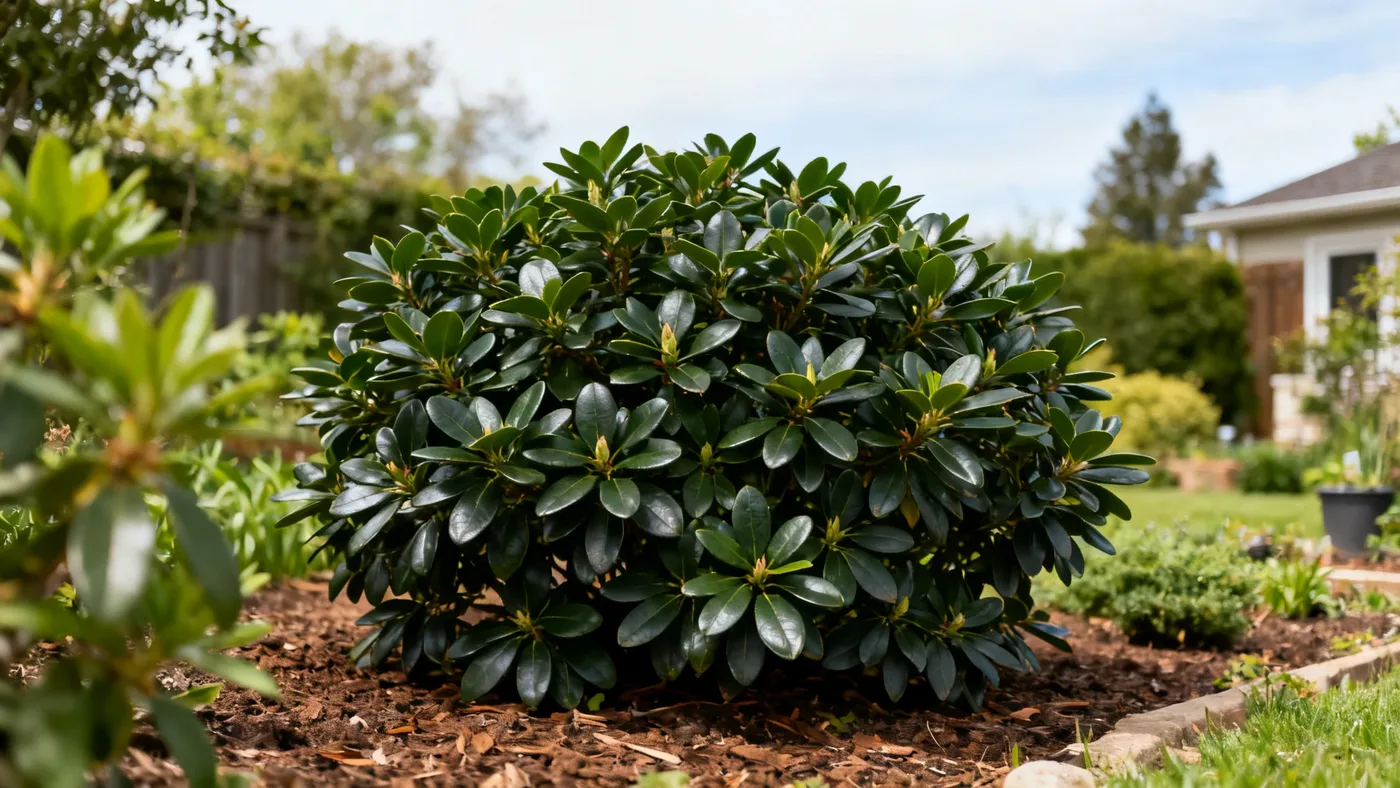
Formosa Azalea Sun Requirements: Full Sun or Shade?
Getting light right makes the difference between a Formosa Azalea that thrives and one that struggles. This broadleaf evergreen shrub has specific light needs, and the answer to "full sun or shade" depends on where you live and how hot your summers get.
Understanding Your Formosa Azalea's Light Needs
Formosa Azalea (Rhododendron 'Formosa') performs best in partial shade to filtered sun. The ideal setup is morning sun with afternoon shade. This balance provides the bright light the plant needs for robust bloom while protecting foliage from the stress of scorching afternoon heat.
The reason this matters: Formosa Azalea's dark green, glossy foliage can become stressed in extreme sun. In hot, humid climates, full sun exposure causes foliage damage. Meanwhile, full shade reduces bloom significantly. You are aiming for the middle ground, not an extreme in either direction.
Your climate zone and local summer heat determine how strictly to follow this rule. In zones 8 to 10, where Formosa Azalea performs best, summer heat is the critical limiting factor. In zone 7, where the plant is less reliably hardy, you have more flexibility with light placement.
Step 1: Assess Your Garden's Light Pattern
Before planting, spend one week observing how light moves through your chosen garden location.
- Visit the planting spot at 8 a.m., noon, and 4 p.m. on a clear day.
- Note how many hours of direct sun the area receives. Morning sun is gentler than afternoon sun.
- Observe whether the spot gets dappled shade from tree canopy or full, unfiltered sun.
- Check whether afternoon shade comes from trees, buildings, or terrain slope.
- If trees are overhead, look upward. Dense leaf cover where you cannot see sky clearly indicates shade. Seeing mostly sky with leaf gaps indicates partial shade or filtered sun.
Why this matters: Light patterns shift with seasons. A spot receiving afternoon shade in summer because of a tree's leafy crown may get afternoon sun in winter when leaves drop. Formosa Azalea is evergreen, so winter light does matter, though it is less critical because the plant is not in active growth then.
Step 2: Match Your Site to Ideal Light Conditions
Formosa Azalea's ideal light setup is morning sun with afternoon shade. This translates to several common garden scenarios:
- East-facing bed with tree shade from the west
- North side of a building or dense shrub
- Open woodland edge where sunlight filters through tree canopy
- Dappled shade under a high-canopy tree like a dogwood (a companion plant that works well alongside Formosa Azalea)
If your site is open to sun from sunrise to sunset, afternoon shade becomes your biggest priority. Planting a shade tree on the west or southwest side of your Formosa Azalea provides protection and is worth the space investment for long-term plant health.
If your site is shaded most of the day, ensure it still receives at least 3 to 4 hours of morning or dappled light. Bloom production drops noticeably in full shade conditions.
Step 3: Evaluate Full Sun versus Partial Shade for Your Climate
The decision to plant in full sun or partial shade hinges on your USDA zone and summer humidity levels.
In zones 8 to 10, where Formosa Azalea performs best, summer heat is intense. Full sun in these zones stresses foliage and often causes leaf scorch, wilting, and leaf drop, especially during periods of drought or heat waves. Partial shade to filtered sun is strongly preferred.
In zone 7, the plant is marginally hardy. Some nurseries list it as zone 7b. Here, full sun may be tolerable in areas with lower humidity or cooler summer nights. However, partial shade consistently produces healthier foliage and more reliable bloom from year to year.
Full sun means 6 or more hours of direct sunlight daily with little to no afternoon shade. If full sun is your only option:
- Choose the coolest part of your garden: lower elevation, north-facing slope, or a spot with natural afternoon shade that will persist as nearby trees grow.
- Plan to water more frequently because soil dries faster in full sun exposure.
- Apply 2 to 3 inches of mulch to keep roots cool and retain soil moisture.
- Prepare for possible leaf stress in the first 2 to 3 years until the shrub is established and root systems deepen.
Partial shade to filtered sun (3 to 5 hours of morning or dappled light) is the safer, more reliable choice for most gardeners in zones 7 through 10.
Step 4: Account for Your Zone and Heat Exposure
Your USDA zone refines the light prescription based on your region's climate characteristics.
Zone 7 (even 7b): Formosa Azalea is hardy, but less reliably so. Partial shade offers winter protection and reduces summer stress. Morning sun followed by afternoon shade is ideal in this zone.
Zones 8 to 9: These are the plant's home range. The Southern Indica group, to which Formosa Azalea belongs, was popularized in the southeastern U.S. Gulf Coast region and thrives in this climate. Here, afternoon shade is non-negotiable in most growing years. Morning sun with afternoon shade is the standard expectation.
Zone 10: Full or nearly full shade may be appropriate in the hottest, most humid parts of zone 10, provided the site still receives bright, filtered light during the growing season. Bloom production may be lighter than in partial shade, but the plant typically survives the intense heat better under protection.
Beyond zones 8 to 10, Formosa Azalea becomes a challenging plant to maintain. It may survive in a protected zone 7 site with ideal conditions, but expect branch or whole-plant die-back during hard winters.
Step 5: Monitor for Light-Related Stress and Adjust
Plant your Formosa Azalea and observe it through its first spring and summer to confirm light adequacy.
Expected results in the first spring: If flowers appear, light levels are supporting the plant's reproductive effort. Foliage should be dark green and glossy. These signs indicate your light choice is sound.
Warning signs of too much sun:
- Foliage turns bronze or bleaches pale green
- Leaves curl, drop, or scorch at the edges
- Soil dries rapidly after watering, requiring frequent irrigation
Warning signs of too much shade:
- Sparse bloom or no flowers appearing in the first spring after planting
- Foliage looks thinner or less dense than expected
- Stems stretch or grow tall and lanky, reaching upward for light
If you observe stress after the first growing season, plan a remedy:
Too much sun: Prune an afternoon-shade tree to create dappled light above your azalea, or relocate the plant before its third year in the ground when it becomes harder to move successfully.
Too much shade: Thin out overhead branches gradually (1 to 2 branches per year) to increase light penetration, or consider relocating to a sunnier site if the plant is still young and mobile.
Tips for Success
- Morning sun is gentler than afternoon sun in all zones. If you must choose one direction, choose morning light.
- Mulch under the plant (2 to 3 inches of aged wood chips or bark) to moderate soil temperature and moisture, reducing the impact of full sun stress.
- In zones 8 to 10, do not rely on full sun alone. Formosa Azalea has low to moderate drought tolerance while young and appreciates consistent, even moisture.
- Monitor the plant closely in its first 2 years. Young Formosa Azaleas are more sensitive to light and heat stress than established, mature shrubs. Once the plant has been in the ground 3 years or more, light needs stabilize and the shrub becomes more resilient.
- Formosa Azalea foliage is denser and slightly larger in shade. If you prefer a fuller appearance, lean toward partial shade. If you want a more compact plant, afternoon sun without extreme heat is acceptable.
Common Light-Related Mistakes to Avoid
- Planting in full sun expecting full bloom: Full sun often reduces bloom quality and quantity compared to a partial-shade specimen.
- Confusing afternoon shade types: Dappled afternoon shade (light filtering through tree leaves) is different from the dense shade under a conifer or evergreen shrub. Formosa Azalea needs the dappled version to thrive.
- Ignoring humidity when evaluating light: Full sun in a hot, dry climate is more harmful than full sun in a mild, humid region. Climate context matters.
- Altering light after planting: Moving or pruning nearby trees immediately after planting disrupts the azalea's establishment. Give your Formosa Azalea 2 to 3 years of stable light conditions before you modify its environment significantly.
For comprehensive guidance on feeding, pruning, pest management, and seasonal care, see our Formosa Azalea care guide.
Quick Reference: Light Requirements by Zone and Condition
| Light Condition | Zones 8-10 (Best Performance) | Zone 7 (Hardy to Marginal) | Typical Foliage Appearance |
|---|---|---|---|
| Morning sun + afternoon shade (ideal) | First choice | First choice | Dense, dark green, glossy |
| Partial shade to filtered sun (3-5 hours light) | Good; safe choice | Good; safe choice | Slightly fuller foliage, slightly larger leaves |
| Full sun (6+ hours direct) | Tolerable if mulched and watered consistently; stresses plant | Not recommended; risky | Risk of scorch, leaf drop, bronze tint, wilting |
| Full shade (less than 3 hours light) | Not suitable; bloom drops significantly | Not suitable; bloom drops significantly | Thin foliage, pale green, sparse growth |