Evergreen Azalea Types: Where Does Formosa Azalea Fit In?
The tag says evergreen. That one word is often what a shopper pays for, and a hard January can test it. The worry is usually the same: will this shrub still look like a shrub in February, and will it end up the size and color promised? Tags answer with a group name, a zone range and a photo. They rarely answer with proof.
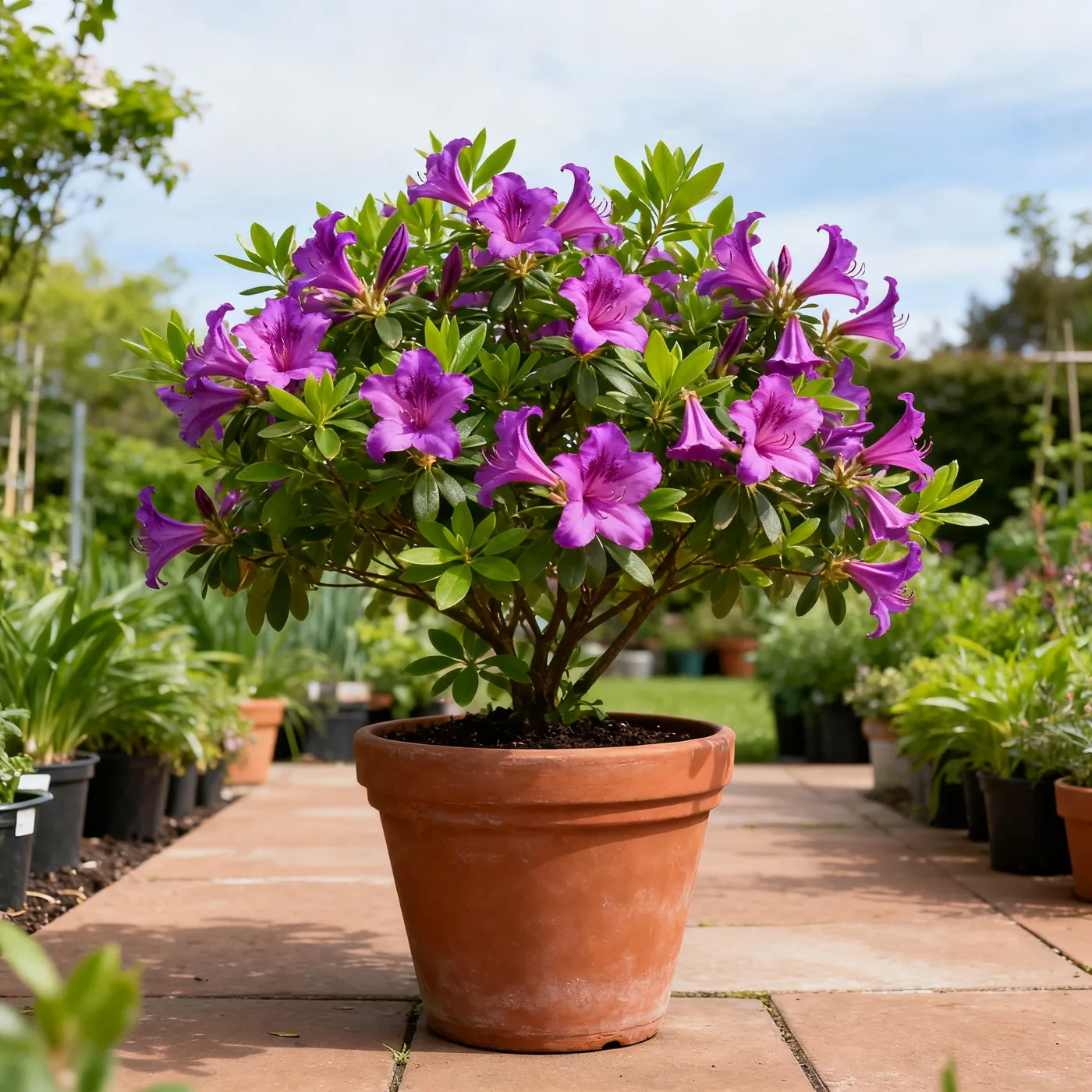
Formosa is sold as a Southern Indica evergreen azalea. That label sits inside a larger system of Kurume, Satsuki and Glenn Dale hybrids that behave very differently. Pick from the wrong group and you get a shrub that browns in a cold snap or outgrows its bed.
This guide covers everything you need to know about evergreen azalea types, from what the word evergreen really promises to the leaf and bud details you can check yourself at the bench.
Do Evergreen Azaleas Really Stay Green All Winter?
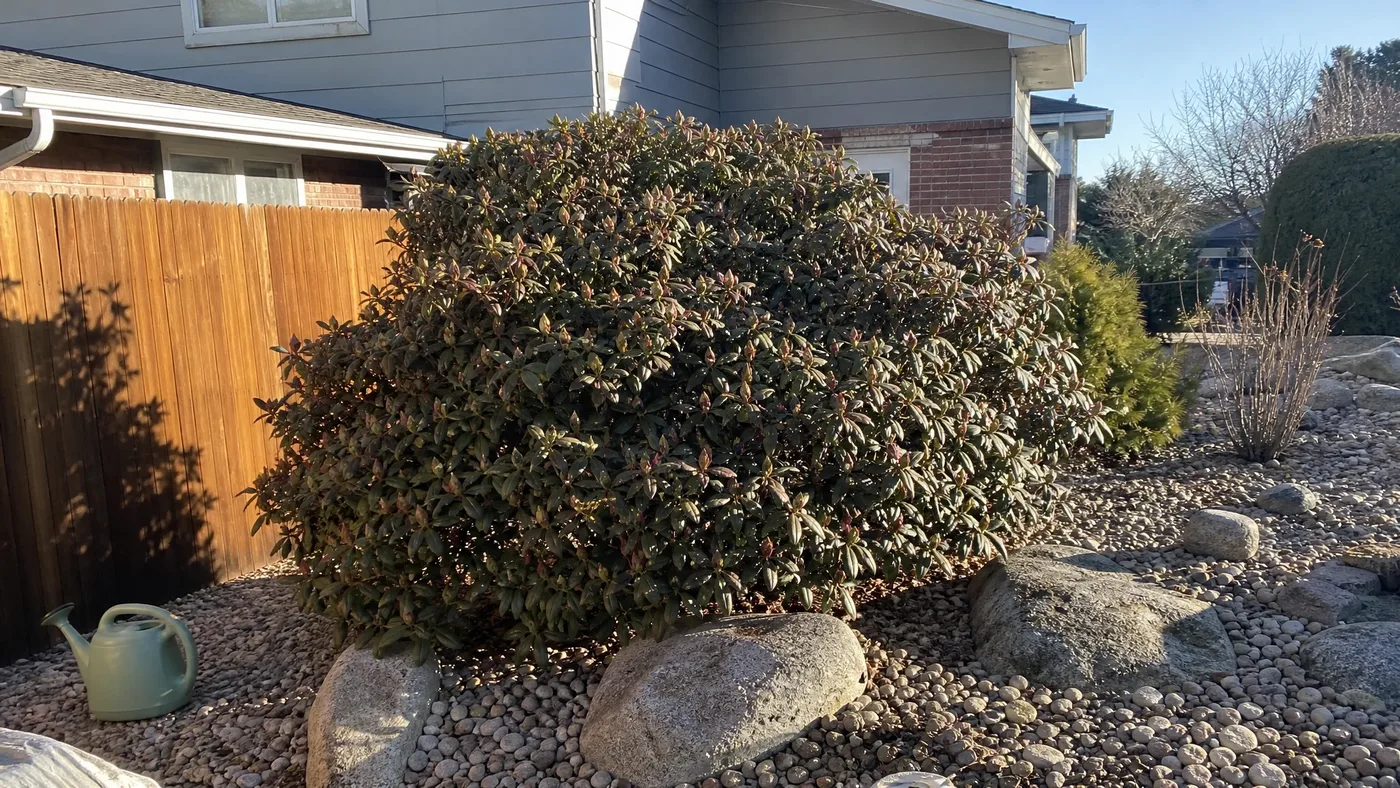
Walk a winter landscape after a hard freeze and one bed tells several stories. Some azaleas hold glossy leaves, others look bronzed and thin, and a few have dropped most of their foliage. Every one of them was sold as evergreen.
Our verdict: evergreen describes a normal winter, not any winter. It says the leaves are meant to stay on the plant. It says nothing about how much cold they will take. Hardiness is a separate claim, and the two are easy to confuse.
The Kurume group shows the difference. The University of Arkansas extension calls Kurumes the first cold hardy evergreen selections that could be grown north of the Mason-Dixon line. That wording implies evergreen azaleas existed before them that could not handle those winters.
Southern Indica azaleas, the group Formosa belongs to, are listed for zones 6a through 9b. The cold end of that range is where the evergreen claim gets tested. What we tell customers at the edge of the range is to expect tired or bronzed foliage after a severe winter and to plan protection, which our winter care guide covers.
So read the word as a tendency. Then ask what the plant has actually been shown to do near you, and check with your local extension service before you trust it.
Four Hybrid Groups and What They Claim
Stand four azaleas side by side and the first difference is scale: one low and rounded, one broad, one tall and upright, one narrow and mid-height. Each belongs to a hybrid group, and each group carries a reputation that the sources can test.
The table below follows Clemson's azalea factsheet for sizes, bloom windows and hardiness, with the Kurume origin note from Arkansas.
| Group | What the sources claim |
|---|---|
| Kurume | Compact, slow growing, small flowers, cold-hardy, as much spread as height, blooming late March to mid-April |
| Satsuki | Hardy and low-growing, with large showy blooms in May to June |
| Southern Indica | Large flowers and large leaves, vigorous and upright, 7 to 10 feet or more, blooming late March to early April |
| Glenn Dale | About 4 to 6 feet tall and 3 to 4 feet wide, very cold-hardy, not recommended for coastal areas |
Weighing the evidence, Kurume has the best-documented reputation. Compact, small-flowered and hardy is backed by two separate extension sources. Satsuki's claim to fame is timing: it blooms after the others are finished.
Southern Indica earns its name on size and show. The sources are far quieter about its cold tolerance, which is why the zone range matters more for this group than for any other here.
Glenn Dale is the only group whose source attaches a warning, and it concerns coastal sites, not cold.
Is Formosa Azalea Truly Southern Indica?
The list of popular Southern Indica hybrids names 'Formosa' with one note: magenta. That is a short entry, but it is a clear one. The label holds.
Traits That Back the Label
Southern Indica azaleas, also called Southern Indian azaleas, are popular cultivars with both large flowers and large leaves. The group reaches 6 to 12 feet tall and 6 to 8 feet wide. Formosa fits that picture: a big, upright shrub with large magenta flowers in late March to early April.
Where the Label Runs Out
Those size and zone figures describe the group, not Formosa measured alone. We treat them as the likely range and nothing tighter. Our Southern Indica comparison sets Formosa against four sister cultivars if you want the finer differences.
One more caution. "Indica" alone on a tag is shorthand, and it can mean several things. The precise term is Southern Indica hybrid, and a tag that gives only the cultivar name plus "evergreen" has told you less than it seems to.
Where Formosa Azalea Sits Among Kurume and Satsuki
Plant a Kurume and a Formosa in the same bed and the contrast arrives within a few seasons. The Kurume stays compact and spreads about as wide as it is tall. Formosa climbs, as a Southern Indica should.
That is the practical split. Kurume suits foundation planting, edging and small beds, and Formosa suits the back of a border or a screen. If your spot is a low window bed, Formosa is the wrong plant regardless of how good the photo looks. Our mature size guide shows the room it needs.
Bloom timing makes a second split. Formosa and Kurume flower in nearly the same window, late March into April. Satsuki comes later, in May to June, which makes it a way to extend the show rather than a stand-in for Formosa.
Satsuki is also no small-flowered group. Its blooms are large and showy, so size of flower alone will not separate a Satsuki from a Southern Indica. Habit will: low and spreading against tall and upright.
Our verdict is simple. These three groups solve different jobs, and a mixed planting can use all of them. Buy Formosa for height and spring color, not for neatness.
Glenn Dale Hybrids Versus Formosa Azalea in the Cold
Take a garden with brutal winters and a wish for evergreen color. Glenn Dale hybrids are the group the sources point to there. They are very cold-hardy and a modest size, about 4 to 6 feet tall and 3 to 4 feet wide, far less than the Southern Indica range. Clemson spells the name "Glen Dale," so you may see both.
The same source says they are generally not recommended for coastal areas. So the hardy group has its own limit, and Formosa's strengths sit on the other side of it: a group listed down to zone 6a at its cold edge but at home in milder, warmer places.
Common advice tells you to plant the showiest azalea your zone barely allows. We would not. If your winters sit at the cold edge, a hardier group will look better most years than a Formosa that survives but sulks.
One of the most common questions we get is whether a hardy-sounding azalea will survive a cold winter. The sources can tell you the group's reputation. They cannot tell you about your microclimate, so check our hardiness zone guide and your extension office together.
Reading a Formosa Azalea Plant Tag Closely
A typical tag lists a name, the word evergreen, a zone range, a mature height and a photo of the flower. Each of those is a claim, and some are weaker than they look.
- The cultivar name says what the plant was sold as. It does not prove identity, because only the leaf and the flower can do that.
- "Evergreen" tells you the leaves are meant to persist. It does not tell you how the plant handled the cold before you bought it.
- A zone range is usually a group figure. The Southern Indica group runs from zone 6a to 9b, so compare that to your own zone and treat the cold end with caution.
- Mature height describes a plant many years older than the one in the pot. Our buying guide on container sizes explains what to expect from a young plant.
- The flower photo shows magenta, the color expected for this azalea. Photos shift color from screen to print, so treat the shade as approximate.
The skeptic's reading is that a tag is a claim, not evidence. It narrows the options and tells you which questions to ask. The proof is on the plant in front of you.
What One Formosa Azalea Leaf and Bud Reveal
Pick up two pots both labeled Formosa and turn them in the light. Compare a mature leaf from each, then look at the buds near the shoot tips. If the two plants differ clearly, at least one tag is wrong.
The leaf tells you the group. A Southern Indica carries large leaves, a trait of the group, so a small, tight leaf with compact growth points toward Kurume or something else. We often see shoppers read the tag three times and never look at the leaves.
The bud tells you the timing. Southern Indica blooms late March to early April, so in season the buds should be swelling or opening to magenta. Out of season, fat buds on healthy shoots are a good sign, though a bud alone will not confirm the cultivar. Only the open flower does that.
The sources give no single leaf feature that separates Formosa from its Southern Indica relatives. We will not invent one. The leaf rules out the wrong group, the flower rules in the right cultivar, and the two together are the best check a shopper has.
Choosing Formosa Azalea With Your Eyes Open
Evergreen is a tendency, not a guarantee. Formosa is a large, upright Southern Indica with magenta flowers in late March to early April, and it is best suited to milder winters. Kurume and Glenn Dale suit colder or smaller spots, and Satsuki extends bloom into May and June.
In person, you can check a few things, hedged as they are: a leaf that looks large for an azalea, a plant habit that is upright rather than low, buds that match the spring timing, and a tag whose zone range fits your yard. When in doubt, ask your local extension service.
Formosa Azalea
Nursery-grown Formosa Azalea in sizes from 1 Gallon, shipped to your door.
From $29.95
Shop Now →Among the evergreen azaleas, Formosa is the one we raise in rows on our farms, in acidic, fast-draining beds with dappled light overhead. We are a small grower-run business, so every top-quality shrub we ship is one we would plant in our own ground. If this big, upright magenta bloomer sounds like your match, take a look at the Formosa Azaleas we have ready.