Formosa Azalea Varieties: Southern Indica Cultivars Compared
The Southern Indica azalea group represents some of the most reliable evergreen shrubs for warm-climate gardens, and Formosa Azalea ranks among the showiest. But if you're comparing options for a foundation planting, hedge, or border, you'll want to know how Formosa stacks up against other cultivars in the same family. Each variety brings a different color profile and growth habit to the landscape, and choosing the right one depends less on hardiness than on bloom color, mature size, and the visual impact you want to achieve.
What Makes Southern Indica Azaleas Different
The Southern Indica group traces to East Asian Rhododendron species with R. indicum and R. simsii parentage. These hybrids were popularized in the southeastern US Gulf Coast region and have become the backbone of warm-climate landscapes from zone 7 through zone 10. Unlike some deciduous azalea types, Southern Indicas are broadleaf evergreens, meaning they deliver year-round structure even when they're not in bloom.
All cultivars in this group share core cultural needs: acidic, humus-rich, well-drained soil with a pH between 4.5 and 6.0; partial shade to filtered sun (morning sun with afternoon shade is ideal); and regular, even moisture, especially while young. They bloom in early to mid spring, typically March through April depending on your zone and microclimate. The differences lie mainly in bloom color, form, and ultimate size.
The Five Southern Indica Cultivars Compared
Formosa Azalea (Rhododendron 'Formosa')
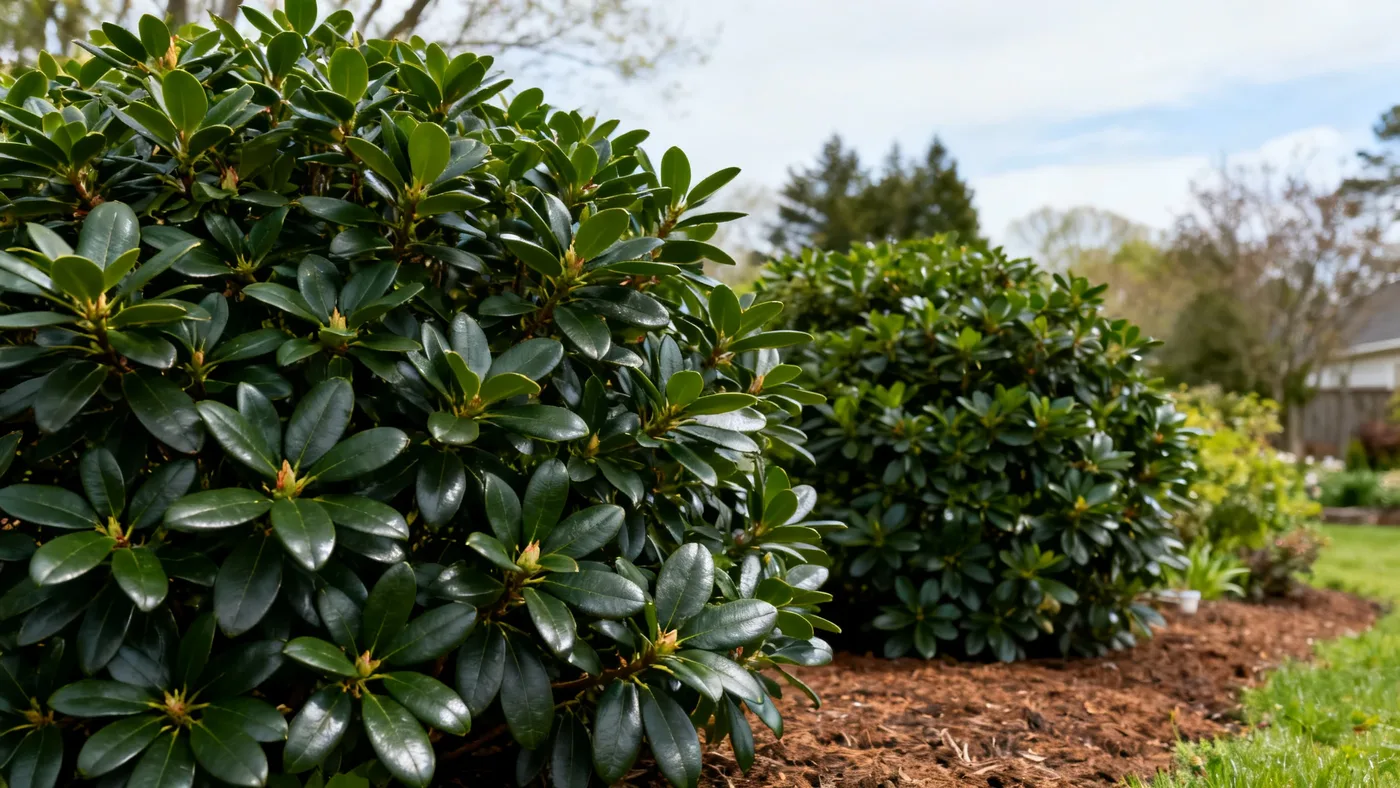
Formosa is the vivid choice. Its funnel-shaped single blooms are a striking vivid magenta-purple or orchid-pink, impossible to miss from across a garden. The plant reaches a mature height of 6-10 feet and spreads 6-8 feet, with a moderate growth rate of roughly 1-2 feet per year once established. Dark green, glossy, elliptical leaves provide a dense evergreen backdrop year-round. This cultivar is rated hardy in zones 7-10, though it performs best in zones 8-10. Nursery plants typically flower the first spring after planting and reach full mature size in roughly 8-10 years. The plant is long-lived, with many specimens in Southern gardens thriving for 50+ years or more with good care.
Formosa attracts bees, butterflies, and hummingbirds during bloom but has negligible fragrance. Like all azaleas, it is not deer resistant and is toxic to pets and people if ingested.
George Lindley Taber Azalea
George Lindley Taber belongs to the same Southern Indica group as Formosa but offers a much lighter bloom color: light pink to white flowers. This cultivar is often chosen when a softer, more understated bloom is preferred, and it blends more seamlessly into mixed borders. While color is the primary distinction recorded in horticultural references, the plant shares the Southern Indica's evergreen habit and landscape role.
Judge Solomon Azalea
Judge Solomon brings a bicolor appeal: pink and white blooms in a single flower. This cultivar appeals to gardeners who want the benefit of color without the intensity of Formosa's magenta. The bicolor pattern adds visual interest and works well in refined foundation plantings where you want the azalea to complement rather than dominate the composition.
Mrs. G.G. Gerbing Azalea
Mrs. G.G. Gerbing is the white option in the Southern Indica group. Pure white flowers on dark evergreen foliage create crisp contrast and bring a formal, elegant quality to any planting bed. White-flowering azaleas pair especially well with shade-loving hostas, ferns, and other woodland companions.
Pride of Mobile Azalea
Pride of Mobile echoes Formosa in bloom color, offering a similar magenta-rose hue, but it generally maintains a smaller, more compact habit. This makes it ideal for spaces where a 6-10 foot specimen would eventually overwhelm the planting. If you want Formosa's bold color without the eventual size, Pride of Mobile is the natural choice.
Structured Comparison Table
| Cultivar | Bloom Color | Mature Height & Width | Growth Rate | Hardiness Zones | Key Characteristic |
|---|---|---|---|---|---|
| Formosa | Vivid magenta-purple / orchid-pink | 6-10 ft tall, 6-8 ft wide | 1-2 ft per year (once established) | 7-10 (best in 8-10) | Bold color, long-lived specimens |
| George Lindley Taber | Light pink to white | Typical Southern Indica size | Typical Southern Indica growth | 7-10 | Softer, lighter bloom palette |
| Judge Solomon | Pink and white bicolor | Typical Southern Indica size | Typical Southern Indica growth | 7-10 | Balanced two-tone flowers |
| Mrs. G.G. Gerbing | Pure white | Typical Southern Indica size | Typical Southern Indica growth | 7-10 | Classic contrast against dark foliage |
| Pride of Mobile | Magenta-rose (similar to Formosa) | Smaller, more compact than Formosa | Typical Southern Indica growth | 7-10 | Bold color in a tighter footprint |
Pros and Cons by Cultivar
Formosa Azalea
Pros: Unmatched bloom color intensity; attracts pollinators reliably; long lifespan allows for specimen investment; establishes quickly; performs well in zone 8-10 regions.
Cons: Bold magenta can be challenging to pair with other plantings; requires space to mature (6-10 feet); not deer resistant; toxic to pets and people.
George Lindley Taber
Pros: Softer bloom color blends into mixed borders; lighter palette works in formal gardens; same Southern Indica reliability.
Cons: Less visual impact from a distance; may disappear into plantings if not carefully sited.
Judge Solomon
Pros: Bicolor flowers offer unique interest; bridges bold and soft color preferences; adds visual complexity to the spring garden.
Cons: Less widely available than solid-color options; bicolor effect may not read clearly from a distance.
Mrs. G.G. Gerbing
Pros: Pure white works with any surrounding plants; classic, timeless appearance; bright flowers pop against dark evergreen foliage.
Cons: White flowers can fade or show bloom litter on walkways; requires clean sightlines to maximize impact.
Pride of Mobile
Pros: Bold color similar to Formosa but in a more compact form; ideal for smaller foundation plantings; space-conscious gardeners get maximum impact per square foot.
Cons: Still reaches substantial size eventually; fewer availability references compared to Formosa or George Lindley Taber.
Best For: Matching Cultivars to Your Landscape Role
Best for bold, show-stopping color: Formosa. If you want the azalea to be the focal point of a border or foundation, Formosa's vivid magenta-purple delivers unmatched visual punch. It works especially well as a specimen plant in a woodland garden where it will have room to mature.
Best for soft, blended borders: George Lindley Taber. Choose this if you're building a subtle garden composition and want the structure of an evergreen azalea without an aggressive bloom color. Pairs beautifully with white-flowering dogwoods and shade plants.
Best for ornamental interest and uniqueness: Judge Solomon. If you want to add complexity and conversation-starting detail, the bicolor pattern stands apart without overwhelming the landscape.
Best for formal, classic gardens: Mrs. G.G. Gerbing. White flowers on dark foliage create crisp elegance and work in traditional landscapes, cottage gardens, and shade-heavy settings.
Best for small spaces and compact plantings: Pride of Mobile. You get Formosa's saturated color in a tighter form, making it ideal for foundation plantings, hedges, or borders where a 10-foot shrub would be too large.
Cultural Needs You'll Share Across All Cultivars
Regardless of which Southern Indica cultivar you choose, planting success depends on consistent fundamentals. Site your azalea in partial shade to filtered sun, ideally with morning sun and afternoon shade in hot climates. Soil must be acidic (pH 4.5-6.0), humus-rich, and well-drained; heavy wet clay invites root rot.
Water regularly and evenly, especially while young. Mulch around the base to keep roots cool and moist, but keep mulch away from the stem to prevent rot. Feed with an acid-forming azalea or camellia fertilizer in early spring right after bloom finishes. Prune immediately after flowering to shape the plant and remove spent flowers; avoid pruning after midsummer, since next year's flower buds set on that season's new growth.
Plant in fall (preferred in mild-winter zones) or early spring. Space plants 4-6 feet apart for mass plantings or hedges. Expect nursery plants to flower the first spring after planting, though they'll continue filling out for 8-10 years before reaching full maturity.
Pests, Diseases, and Common Problems
All Southern Indica azaleas are susceptible to the same pests and diseases. Watch for azalea lace bug, spider mites, azalea caterpillar, and scale insects. Diseases include petal blight (Ovulinia), azalea leaf gall (Exobasidium), Phytophthora root rot in poorly drained soil, and powdery mildew. The most common problem is chlorosis (yellowing leaves) in alkaline soil, which you can prevent by confirming your soil pH stays between 4.5-6.0.
Leaf and flower drop signal drought or heat stress. Dieback and root rot indicate overly wet or compacted soil, usually a fatal combination in heavy clay.
Understanding Winter Hardiness Limits
All five cultivars are rated hardy in zones 7-10, though literature notes that Formosa performs best in zones 8-10. If you're in zone 7 or 7b, confirm with your local extension service before planting, and plan for a sheltered site with afternoon shade and winter wind protection. Harsh zone-edge winters can stress young plants, though established specimens tolerate the cold better.
Quick Reference: Choose Your Cultivar
| Your Priority | Choose This Cultivar |
|---|---|
| Maximum bloom impact and color intensity | Formosa |
| Soft, understated color for mixed borders | George Lindley Taber |
| Unique bicolor flowers | Judge Solomon |
| Classic white for formal settings | Mrs. G.G. Gerbing |
| Bold color in a compact form | Pride of Mobile |
| Zone 7 edge planting with shelter | Any, but verify with extension service |
Once you've chosen your cultivar, follow the fundamentals laid out in our Formosa Azalea care guide to ensure your plant thrives. Every Southern Indica azalea rewards consistent attention to soil, water, and light with decades of reliable spring color.