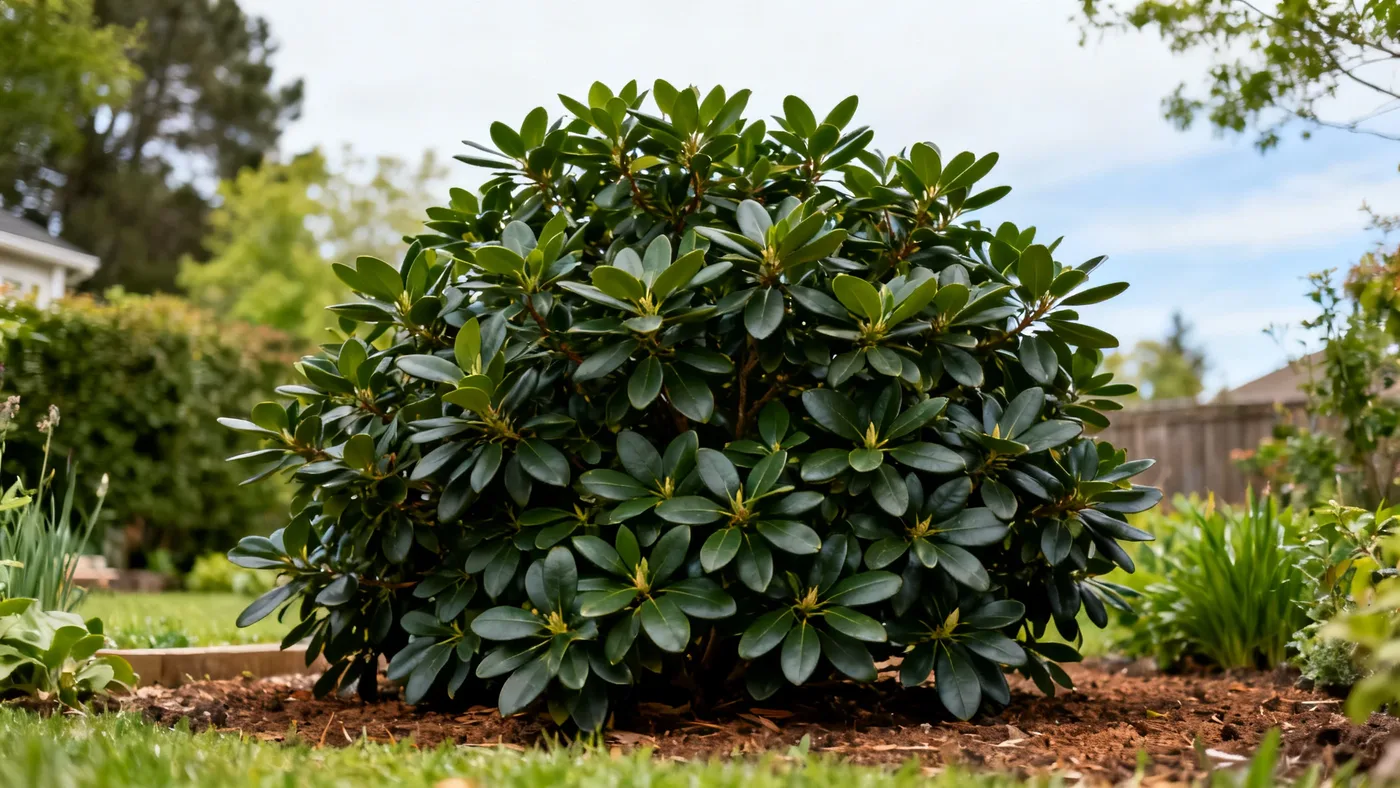
Winter Care for Formosa Azalea in Cold Climates
Formosa Azalea is a broadleaf evergreen that brings year-round structure to the garden, but winter in colder zones can stress even a well-established plant. If you grow Formosa Azalea in zones 7 or 7b, your shrub is near the edge of its hardiness range and needs deliberate protection when temperatures drop. Even in zones 8-10, a harsh freeze can damage new growth or flower buds set for spring bloom. This guide walks through the practical steps to winterize your Formosa Azalea and help it emerge healthy when March arrives.
Why Formosa Azalea Struggles in Winter
Formosa Azalea performs best in zones 8 to 10, where winters are mild. The plant is evergreen, meaning it keeps its dark green, glossy foliage all year, but that advantage becomes a liability in cold climates. Winter foliage can bronze slightly in hard freezes, and the older leaves that persist through the season may show stress. More critically, severe cold or rapid temperature swings can damage the flower buds set during the previous growing season, wiping out next spring's bloom.
Cold damage also threatens the plant's root system. While the soil protects roots better than exposed stems, Formosa Azalea demands well-drained, acidic soil (pH 4.5-6.0). Poorly drained sites where water freezes and thaws repeatedly risk root rot, and established plants suffer more from these wet-freeze cycles than from cold alone.
Materials and Preparation You'll Need
Before temperatures drop, gather these items:
- Organic mulch (wood chips, shredded bark, or pine needles): roughly 3 to 4 cubic feet per established shrub
- Burlap or frost cloth (optional, for zone 7 or unusually harsh winters)
- Stakes or bamboo poles (if using burlap wrapping)
- Garden twine or soft plant ties
- Pruning shears (already sharp and sanitized)
- Watering can or soaker hose
- Acidic, well-drained potting soil or compost (for spring planting adjustments)
Having these materials on hand in late autumn means you can respond quickly if an early cold snap arrives before you finish your winterization work.
Step-by-Step Winterization Process
Step 1: Finish pruning by mid-summer. The single most important preventive step happens months before winter arrives. Prune Formosa Azalea immediately after flowering finishes (typically by early summer, usually June or early July). This timing gives the plant the growing season it needs to harden off new growth before cold weather arrives. Pruning after midsummer risks cutting into next year's flower buds and also leaves tender new shoots too soft to withstand frost. If you missed this window, do not prune in late autumn or winter, as you'll damage buds that are already set.
Step 2: Assess soil drainage and amend if needed. In late September or early October, inspect the soil around your Formosa Azalea. Dig down 6 to 8 inches and squeeze a handful of soil. If it clumps and holds water, poor drainage is your biggest winter threat. For established plants, work in 2 to 3 inches of compost or pine bark around the drip line (the outer edge of the canopy) without piling soil against the stem. This improves the soil structure over time. For container plants or newly planted shrubs, poor winter drainage in clay soil will almost certainly cause root rot, so plan to move containers to a sheltered, well-drained spot or amend the ground soil before the first freeze.
Step 3: Water deeply in late autumn before the ground freezes. Evergreen plants like Formosa Azalea do not go fully dormant. They continue to lose water through their leaves all winter, especially on dry, windy days. A well-watered shrub tolerates cold far better than a dry one. In October and November, give your plant a deep soaking (at least 1 to 2 inches of water) every 2 to 3 weeks if rain has not fallen. Water at the base, not the foliage, to avoid ice buildup. Once the ground freezes solid, roots cannot draw water, so this autumn watering is your last chance to build a water reserve in the soil.
Step 4: Apply mulch in layers, late October or November. Mulch insulates the root zone and moderates soil temperature swings. After the ground cools (but before it freezes hard), spread 3 to 4 inches of organic mulch (wood chips, shredded bark, or pine needles) in a loose circle around the base of the shrub. Keep the mulch 2 to 3 inches away from the stem to prevent rot and pest damage. Mulch placed against the bark can trap moisture and ice, inviting disease. The mulch layer slows soil freezing and thawing, which reduces the risk of frost heave (where frozen soil pushes shallow-rooted plants up and out of the ground) and protects the fibrous roots that absorb water.
Step 5: Wrap burlap for zone 7 or extreme cold events. If you garden in zone 7 (the lowest hardiness range for Formosa Azalea), or if your local forecast predicts temperatures below 10 degrees Fahrenheit, consider wrapping the shrub in burlap. Wait until late November or December, just before the coldest weeks. Loosely wrap burlap around the entire plant, leaving the top slightly open to allow air circulation and prevent heat and moisture buildup. Use soft plant ties or twine to secure the burlap, but do not cinch it so tightly that you crush branches. Burlap shades the foliage and reduces water loss from wind, which is often the real culprit in freeze damage, not cold alone. Remove the wrapping in late February or early March once night temperatures consistently stay above freezing.
Step 6: Monitor winter moisture and salt exposure. During winter thaws or in regions that receive winter rain, check the soil moisture by probing 3 to 4 inches deep with your finger. If the soil is dry (not waterlogged), water gently on mild days when the ground is not frozen. If you live where roads are salted or salt spray drifts onto your garden, Formosa Azalea has low salt tolerance. Rinse foliage and soil with fresh water in late winter to leach away accumulated salt before growth resumes in spring.
Protecting Against Late Spring Frost and Freeze Cycles
Winter cold is only half the battle in many climates. March and April bring the real hazard: late spring frosts after the plant has leafed out or begun blooming. Formosa Azalea typically blooms in early to mid spring (March-April), right when frost can still strike hard. If a surprise freeze arrives while the flower buds are open, an entire year's bloom is lost.
The best defense is positioning. Plant Formosa Azalea where it gets morning sun (which helps it dry quickly after overnight frost) but afternoon shade, which keeps it cooler during the day and reduces the shock of rapid temperature drops. Avoid planting in low-lying spots where cold air settles. Keep mulch in place through spring; remove it gradually in April once soil has warmed consistently.
If the forecast calls for frost during bloom, you cannot prevent bud damage once it happens, but you can minimize spread of secondary diseases. After a freeze, do not prune or fertilize right away. Let the plant recover naturally. Damaged flowers and leaves will drop on their own, and new growth will emerge if the stems are still alive.
Common Winter Mistakes to Avoid
Pruning too late in the year. Pruning after midsummer triggers new growth that has no time to harden. That soft tissue will freeze and die, weakening the plant and inviting disease. Stick to the June-to-early-July pruning window.
Piling mulch against the stem. Mulch heaped against the base of the shrub traps moisture and ice, creating a highway for rot and pests. Always leave 2 to 3 inches of clear space between the stem and the mulch edge.
Assuming cold means no water. Many gardeners stop watering evergreens in winter, thinking the plant needs no help during dormancy. Formosa Azalea is evergreen and continues to transpire water through its leaves. Winter drought stress actually increases cold damage by reducing the plant's resilience. Water deeply in autumn before the ground freezes.
Wrapping too tightly or too early. Burlap left on too long (past February) or wrapped too snugly can create a humid microclimate where fungal disease thrives. Use burlap only for zone 7 or extreme cold, keep it loose, and remove it as soon as daytime temperatures warm consistently.
Overwatering in early spring. Once growth resumes in March and April, newly softened foliage can suffer if the soil stays waterlogged. Reduce mulch depth slightly and allow the top inch of soil to dry between waterings, even as temperatures warm.
What to Expect and Spring Recovery
A well-protected Formosa Azalea should emerge from winter with minimal visible damage. The older evergreen leaves may show bronze or dull patches, especially if the plant endured hard freeze cycles, but new foliage will cover this by mid spring. Bloom should be full if flower buds were protected from extreme cold and frost during the bloom window.
If you see significant dieback (dead branches that do not produce new leaves by late April), the damage likely occurred before you winterized or the plant's root system was compromised by waterlogging in winter. Do not remove dead wood immediately. Wait until late spring to prune out clearly dead branches, once you can see which stems are still alive (look for green cambium layer just inside the bark if you scratch it gently).
Older leaves that bronze in winter will persist through spring and gradually be shed by the plant as new growth pushes them out. Do not be alarmed; this is normal. The plant invests its energy in new foliage and flowers, not in maintaining winter-stressed old leaves. By June, the plant should look vigorous again, and the canopy will fill in as the growing season progresses.
Quick Reference: Winter Care Checklist
| Task | Timing | Details |
|---|---|---|
| Final pruning for the year | June-early July (immediately after flowering) | Prune to shape; avoid late-season pruning. Do not prune in winter. |
| Check and improve soil drainage | September-October | Amend heavy clay soil with 2-3 inches compost or bark. Verify well-drained, acidic soil (pH 4.5-6.0). |
| Deep watering | October-November (before ground freezes) | Water every 2-3 weeks if rain is absent. Aim for 1-2 inches per watering, at the base only. |
| Mulch application | Late October-November | Spread 3-4 inches organic mulch (wood chips, bark, or pine needles). Keep 2-3 inches clear of stem. |
| Burlap wrapping (zone 7 or harsh winters only) | Late November-early December | Loosely wrap; do not cinch. Remove late February or early March when temps warm. |
| Winter moisture check | January-February (during thaws) | Probe soil 3-4 inches deep. Water on mild days if soil is dry (not waterlogged). |
| Remove salt residue (coastal areas) | Late February-early March | Rinse foliage and soil with fresh water if salt spray or road salt exposure occurred. |
| Remove burlap and reduce mulch | Late February-April | Remove burlap once night temps stay consistently above freezing. Reduce mulch as growth resumes. |
| Assess winter damage | Late April-May | After new growth appears, prune out clearly dead branches. Bronze-tinted old leaves will drop naturally. |