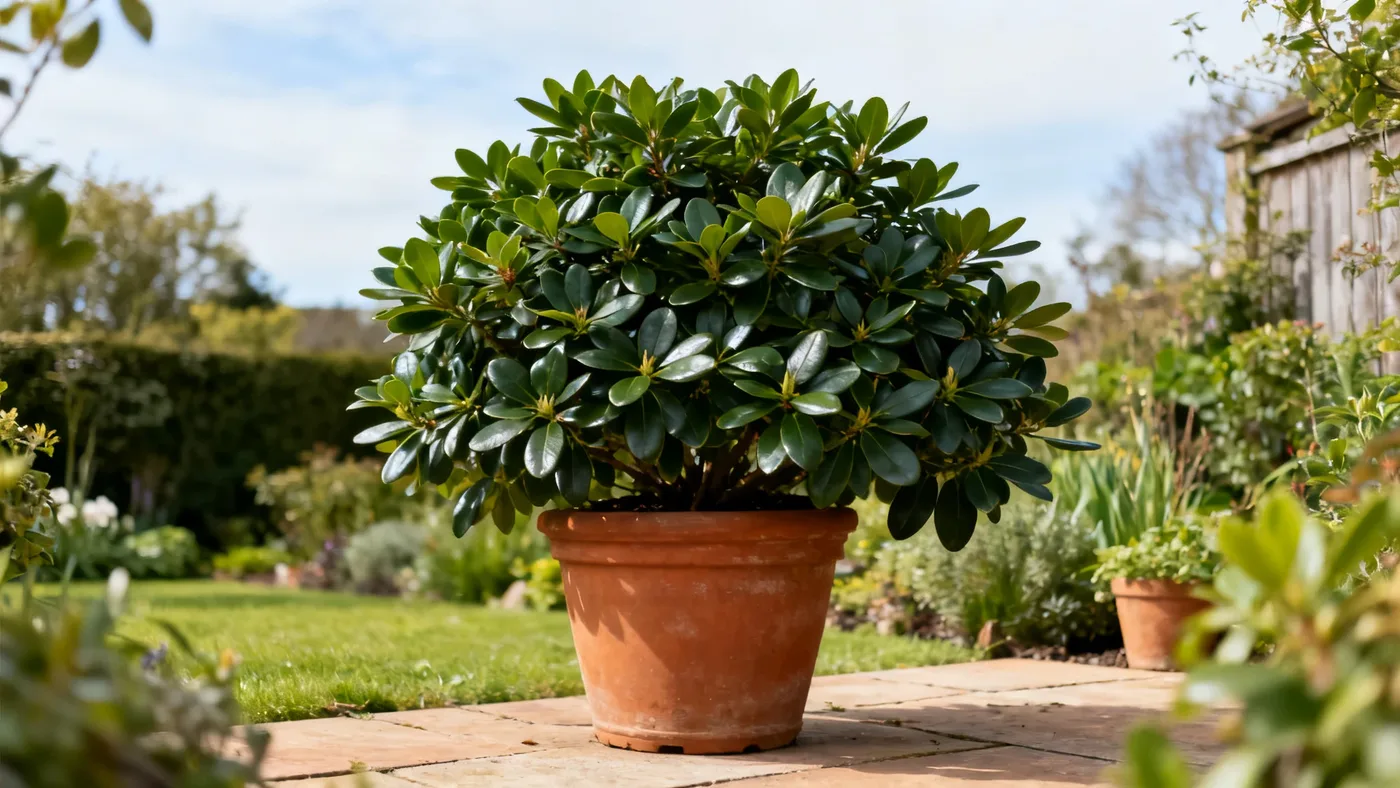
Formosa Azalea Buying Guide: Container Sizes and Tips
You've decided to add Formosa Azalea (Rhododendron 'Formosa') to your garden. This magenta-purple flowering shrub blooms reliably in early to mid spring and grows into a substantial evergreen presence, reaching 6 to 10 feet tall at maturity. Before you head to the nursery or order online, knowing what to look for, container size, plant health, and cultivar options, will help you choose a specimen that thrives in your garden.
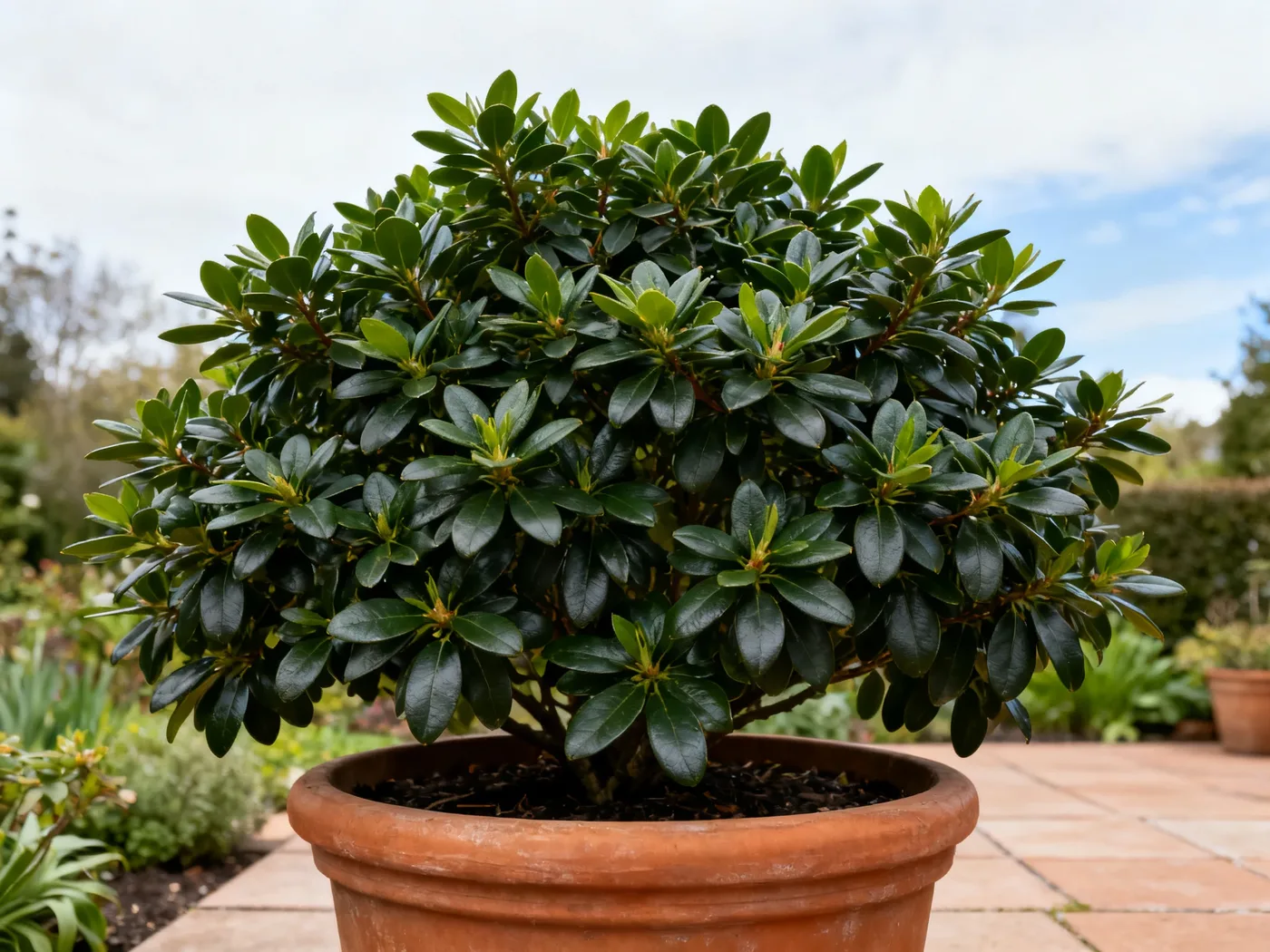
Container Sizes: What Nurseries Sell
Formosa Azalea is container-suitable while young and small, which is exactly how nursery-grown plants arrive. You'll typically find them sold in three standard sizes: quart containers, #1 (1-gallon) pots, and #3 (3-gallon) pots.
A quart-sized plant is young, often just 1 to 2 years old, with a small root system and modest top growth. These are the least expensive option and take longer to reach mature size, but they adapt well to new gardens and give you flexibility in placement. Expect 1 to 2 feet of annual growth once established.
The #1 container is the sweet spot for most home gardeners. These plants are more developed, typically 2 to 4 years old, with a fuller canopy and an established root ball. A #1 Formosa Azalea may already show flower buds or bloom the first spring after planting. They're easier to handle than larger sizes and establish quickly.
The #3 (3-gallon) container holds a larger, more mature specimen, denser foliage, thicker stems, and a root ball substantial enough to fill a 12-inch pot. These plants cost more but are worth it if you want a filled-in look immediately or need to cover space quickly. Even so, a #3 Formosa Azalea is still well short of its 6- to 10-foot mature height.
Larger sizes exist but are rarely available for this cultivar; most commercial growers stop at #3. Beyond that, you're buying specimens from specialty nurseries or established landscapes.
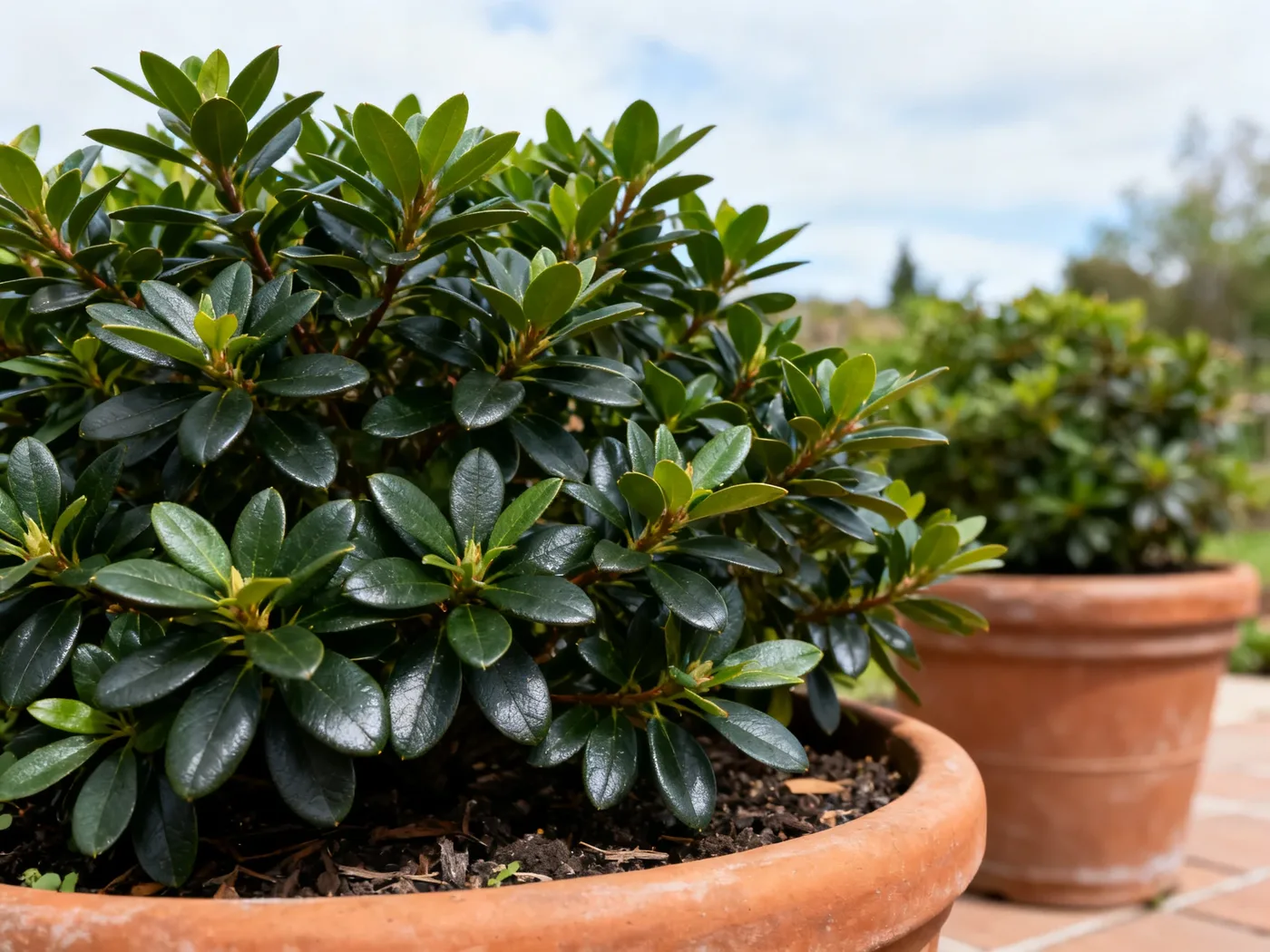
Quality Indicators: What to Check
Examining the plant before purchase takes five minutes and prevents headaches later. Look for these markers of a healthy Formosa Azalea:
Foliage. The leaves should be dark green and glossy. Avoid plants with yellowing or spotty foliage, this can signal poor drainage, alkaline soil at the nursery, or pest pressure. Leaf tips should be full; bare or thinned branches suggest stress.
Stem structure. Gently press a young stem between your fingers. It should feel firm, not mushy or brittle. Mushy stems indicate root rot or fungal disease. Inspect around the base where the soil meets the stems; dark, wet soil clinging to stems is a red flag.
Root inspection. If you can, peek at the drainage holes on the pot bottom. Roots circling tightly in a thick mat mean the plant has been in its container too long and may struggle to transition into garden soil. A few roots visible at the drainage holes are normal; a tangle filling the entire hole is not.
Soil moisture. The soil should be moist but not waterlogged. Squeeze gently; it should crumble slightly, not stay in a tight fist. Bone-dry soil suggests the plant has been neglected, while boggy soil points to root rot risk.
No visible pests. Check the undersides of leaves for spider mites, scale insects, or lace bugs. Look for sticky residue or stippled (yellowed, speckled) foliage. While Formosa Azalea pests are treatable, introducing them to your garden is an avoidable hassle.
Flower buds. If you buy in winter or early spring, the plant may carry flower buds for the coming season. Pink or red buds on a healthy plant are a bonus, though not essential. Buds should feel firm when you gently rub them.
Comparing Cultivars and Key Features
Formosa Azalea itself is a cultivar, a long-cultivated Southern Indica hybrid. But when you visit a nursery to buy Formosa Azalea, you may encounter similar options worth comparing.
'Formosa' (Rhododendron indicum 'Formosa') is the cultivar you came for: vivid magenta-purple or orchid-pink funnel-shaped single blooms, evergreen dark green foliage, and robust growth. It blooms early to mid spring (typically March to April, depending on your zone) and grows to 6 to 10 feet tall and 6 to 8 feet wide.
'Pride of Mobile' is often stocked alongside Formosa Azalea. It has a similar magenta-rose bloom color but is generally more compact and slower-growing. If you have limited space or prefer a tighter form, 'Pride of Mobile' may suit you better. Both thrive in zones 8 to 10.
'George Lindley Taber' is also in the Southern Indica group and widely available. Its flowers are light pink and white, quite different from Formosa's vivid magenta. If you want a color contrast in your planting, 'George Lindley Taber' pairs beautifully with Formosa Azalea. Both reach similar mature sizes.
When comparing specimens in the nursery, check all three plants side by side. Look at leaf texture, stem thickness, and plant habit. Don't assume all Southern Indica azaleas are identical, they're not.
Understanding Price Tiers
Formosa Azalea pricing typically correlates with container size and age. A quart-sized plant is the entry point, least expensive, youngest, smallest. A #1 container costs more but offers faster gratification and better establishment. A #3 container is premium pricing for a plant that fills space and blooms sooner.
Beyond size, expect variation based on:
- Nursery type. Big-box garden centers often undercut specialty nurseries on price but may have less rigorous plant care. Independent nurseries typically charge more but provide expertise and inspect stock closely.
- Shipping vs. local pickup. Online purchases include shipping costs; local pickup from a nursery does not.
- Seasonal timing. Fall and early spring are peak seasons for Formosa Azalea sales, and pricing is most competitive then. Summer purchases may be limited in stock or higher in price.
- Plant quality and maturity. A #1 from a specialty grower with full canopy and flower buds may cost more than a sparse #1 from a discount chain, and it's worth it.
Don't assume the cheapest option is the best deal. A stressed or poorly-rooted plant at half price is a poor investment. A well-grown #1 from a reputable nursery will establish faster, flower reliably, and save you years of recovery.
Red Flags: What to Avoid
Walk past any Formosa Azalea showing these warning signs:
- Bone-dry, hard soil that won't absorb water when watered at the nursery
- Soggy, waterlogged soil or water pooling on the soil surface
- Brown, drooping, or completely bare branches
- Yellowing throughout the foliage (not just a few old lower leaves)
- Visible insects, sticky residue, or webbing on leaves or stems
- Severely rootbound plant with roots circling and matted at the pot bottom
- Cracked or damaged pots that could have allowed soil to dry or water to pool
- Plants stored in full sun during a heat wave with no shade or supplemental watering
Any of these suggests the plant has been stressed in the nursery. Recovery is possible but not guaranteed, especially for young quart-sized plants with shallow root systems.
Where to Buy Formosa Azalea
Formosa Azalea thrives in zones 8 to 10, so availability depends on your region. If you're in the Southeast, Gulf Coast, California, or other warm-winter areas, local nurseries usually stock them spring and fall. Colder regions (zone 7) may have limited local inventory; mail-order specialists are your best bet.
Local independent nurseries are ideal if available. Staff can answer questions about your microclimate, recommend companion plants, and ensure the plant you buy is acclimated to your region.
Regional specialty growers focus on Rhododendron and Azalea cultivars. These nurseries are excellent sources for Formosa Azalea and related Southern Indica hybrids. Many ship bare-root or containerized plants across the country in fall and spring.
Online retailers offer convenience and wider cultivar selection. Confirm they ship to your zone and provide clear care instructions upon arrival. Read reviews from other gardeners about plant quality and packaging.
Big-box and chain garden centers stock Formosa Azalea during peak season (spring and fall) in warm regions. Availability is hit-or-miss, but you can inspect plants in person before buying.
When ordering by mail, request shipment in fall (preferred in mild-winter zones) or early spring to align with the plant's ideal planting season. Shipping during heat waves or freezes stresses the plant.
After You Buy: First Steps
Plant your Formosa Azalea in acidic, humus-rich, well-drained soil (pH 4.5 to 6.0) in partial shade to filtered sun. Morning sun with afternoon shade is ideal, especially in hot climates. Space plants 4 to 6 feet apart if mass planting.
Water regularly and deeply after planting; Formosa Azalea is not drought-tolerant while young. Mulch around the base to keep roots cool and moist. Avoid pruning the first year. Once established, prune immediately after flowering ends (typically by early summer), never after midsummer, since next year's flower buds set on that season's new growth.
For detailed care, see our Formosa Azalea care guide.
Quick Reference: Buying Checklist
| What to Check | Healthy Plant | Red Flag |
|---|---|---|
| Foliage color | Dark green, glossy | Yellowing, spotty, pale |
| Leaf texture | Full, dense canopy | Sparse, thin, or bare branches |
| Stems | Firm, woody, no mushiness | Mushy, brittle, or dark/wet at base |
| Soil moisture | Moist, crumbly, well-draining | Waterlogged or bone-dry |
| Roots visible at pot | Few roots at drainage holes | Dense mat of circling roots |
| Pest signs | None, clean undersides of leaves | Spider mites, scale, or sticky residue |
| Flower buds (if present) | Firm pink or red buds | Dried, split, or soft buds |
| Container condition | Intact pot, proper drainage | Cracked, plugged, or damaged pot |
Container size to consider: Quart (quickest growth, least expense), #1 (best balance), #3 (instant impact). Mature size: 6–10 ft tall, 6–8 ft wide. Hardiest zones: 8–10. Spring bloom: March–April.