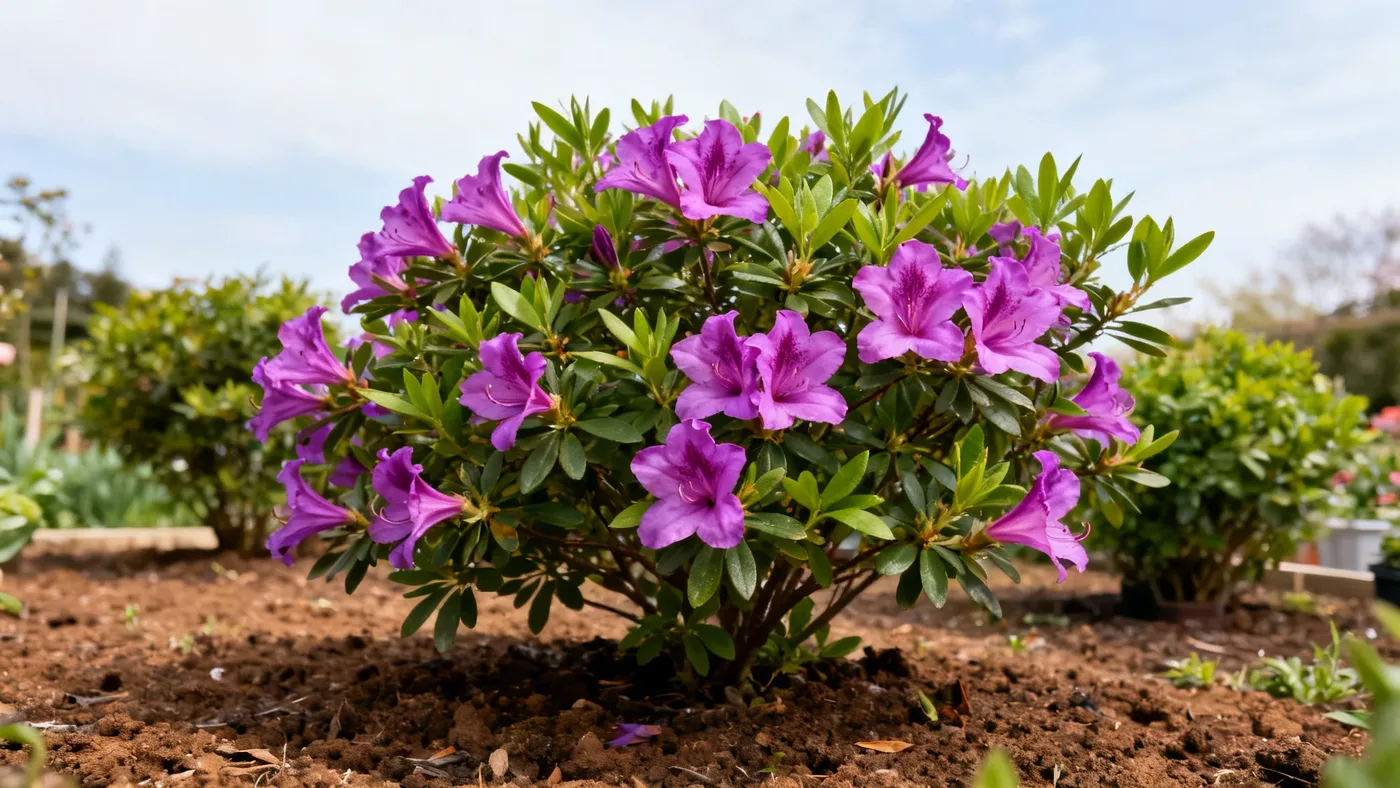
Formosa Azalea Bloom Time: When and How Long It Flowers
Formosa Azalea puts on one of spring's most reliable displays if you plant it in the right spot and give it what it needs. For gardeners planning their spring garden right now, understanding exactly when your Formosa Azalea will bloom and how to get the most from that flowering window is essential. This guide walks you through the bloom timing, what influences it, and how to support those vivid flowers year after year.
When Formosa Azalea Blooms: Early to Mid Spring
Formosa Azalea typically blooms in early to mid spring, with peak flowering occurring around March through April. The exact timing depends entirely on your climate zone. Gardeners in zones 7 and 7b see blooms later, often in mid to late April. If you're in zones 8, 9, or 10, expect flowers as early as late February or early March.
Your local microclimate also matters. If your Formosa Azalea is planted on the north side of a house or in a deep shade pocket, blooms may come a week or two later than nearby plants in full sun. Plants on exposed southern slopes flower first. A late frost in your area can also delay bloom or, in rare cases, damage open flowers.
This spring timing is why fall is the ideal planting season. When you plant Formosa Azalea in fall or early winter in mild zones, roots establish during the cool months and the plant arrives at spring ready to flower. Even plants installed in early spring will often produce at least partial blooms their first year.
The Formosa Azalea Bloom Window: How Long Does It Last?
Formosa Azalea blooms typically persist for 4 to 6 weeks, depending on weather. Cooler springs extend the show. Warm, dry springs can shorten bloom duration or cause flowers to drop more quickly, especially in full sun. Once a flower opens, it lasts roughly two weeks on the plant before fading and dropping.
The bloom doesn't happen all at once. Instead, flowers open in successive waves over several weeks. You might see the first magenta blooms in early March and still have stragglers fading in late April. This staggered opening is why Formosa Azalea delivers such reliable spring color. Unseasonably warm weather compresses the timeline, while a chilly spring stretches it.
Because bloom time is relatively predictable, many gardeners pair Formosa Azalea with other spring bloomers that flower slightly earlier or later, creating a longer season of color in the landscape.
The Formosa Azalea Bloom Color and Form
The flowers themselves are vivid magenta-purple or orchid-pink, depending on your light, soil, and eye. Individual blooms are funnel-shaped and single, not doubled, about 2 inches across. They're held in clusters that cover the upper third of the plant during peak bloom.
Formosa Azalea is not fragrant, so if scent is a must-have in your spring garden, pair it with fragrant companions like some camellia cultivars or fragrant rhododendrons. The pure color more than compensates for the lack of fragrance, especially when blooms light up a shaded understory garden.
The magenta-purple color is strong enough to be visible from across the garden, making Formosa Azalea an excellent choice for adding punch to foundation plantings, massed borders, or woodland edges. The foliage is dark green and glossy, providing a rich backdrop for the blooms. During bloom time, the plant also attracts bees, butterflies, and hummingbirds, bringing additional life to the spring garden.
Zone-by-Zone Bloom Timing Variations
The USDA hardiness zones 7-10 cover a wide geographic range, and bloom timing shifts as you move north or south.
- Zone 7 and 7b: Late March through mid-April, sometimes as late as the last week of April after a harsh winter. These plants flower reliably but may take an extra week or two compared to warmer zones.
- Zones 8-9: Mid-March through early April, sometimes starting in late February during warm spells. This is the sweet spot where Formosa Azalea performs best, blooming reliably and abundantly.
- Zone 10: Early to mid-March, occasionally as early as late February if winter is very mild. In warmest zones, avoid planting in full afternoon sun, as heat stress can reduce bloom quality and shorten the display.
If you live on the edge of zone 7, choose a sheltered spot protected from harsh north winds and late freezes. The investment in placement pays off with more consistent blooms every spring.
What Affects Formosa Azalea Blooming
Several factors influence whether your plant blooms heavily, lightly, or not at all:
Sunlight
Formosa Azalea prefers partial shade to filtered sun, with morning sun and afternoon shade being ideal. Full shade reduces bloom production. Full sun in hot or humid climates stresses the plant and can cause foliage damage. Strike a balance: morning light energizes flowering, afternoon shade keeps roots cool.
Soil and pH
Acidic soil with a pH between 4.5 and 6.0 is essential for both healthy growth and flower production. Alkaline soil causes chlorosis (yellowing leaves), which weakens the plant and reduces flowering. If your soil is neutral or alkaline, work sulfur into the planting hole or apply an acidifying fertilizer in early spring.
Moisture During Growth
Formosa Azalea is not drought tolerant, especially when young. Dry conditions in summer and fall prevent the plant from building reserves for spring flowering. Mulch around the base to keep soil cool and moist. Water deeply during dry spells, especially in the months before bloom.
Pruning Timing
Pruning at the wrong time is one of the most common reasons for sparse blooms. Next year's flower buds set on this year's new growth immediately after bloom ends. If you prune after early summer, you remove the buds. Always prune immediately after flowering finishes, typically by early summer. Avoid pruning after midsummer.
Fertilizing
Feed your Formosa Azalea in early spring right after bloom finishes with an acid-forming azalea or camellia fertilizer. A light second feeding in early summer is optional. Do not fertilize in fall or winter, as this can stimulate tender new growth vulnerable to frost.
Seasonal Tips for Supporting Spring Blooms
Fall and Winter (Now through February)
This is preparation time. Plant or transplant Formosa Azalea now if you haven't already. Ensure mulch is 2-3 inches deep but not piled against the stem. Check soil moisture regularly, especially if fall or winter is dry. Even though the plant is not actively growing, roots need consistent moisture.
Late Winter (February through March)
As days lengthen and soil warms, apply your spring fertilizer in early March, right around the time flower buds begin to swell. Do not apply fertilizer to a frozen plant; wait for soil to thaw first. Buds are forming in anticipation of bloom.
Bloom Time (March through April)
Keep the plant watered if spring is dry. Do not fertilize during bloom. Enjoy the flowers. As soon as the last flowers fade and plants finish flowering, prune out any dead or crossing branches and shape the plant if needed. This timing, right after bloom, is your only window to prune without sacrificing next year's flowers.
After Bloom (May through August)
Allow the plant to grow freely. Water during dry spells. A light fertilizer application in early summer (June) can support growth, but it is optional. Do not prune after midsummer, as this removes developing flower buds.
Comparing Bloom Time Across Azalea Cultivars
Formosa Azalea is one of the most vibrant in color, but if you want to extend your azalea bloom season, pair it with other Southern Indica cultivars. 'George Lindley Taber' blooms at the same time but produces much lighter pink and white flowers. 'Pride of Mobile' is similar in color to Formosa but generally has a more compact habit, and blooms may come a few days later in some zones.
Planning a bed with multiple cultivars at slightly different locations (different sun exposure or microclimates) stretches the bloom window from late February through May.
Bloom Troubleshooting
If your Formosa Azalea is not blooming or blooming very lightly, check these common culprits:
- No blooms: Check pruning timing (pruning after midsummer removes flower buds) and soil pH (must be acidic). Young plants may skip a year while establishing roots.
- Few flowers: Likely too much shade, dry soil, or alkaline soil. Increase morning sun, add mulch, and apply sulfur if soil is neutral.
- Buds form but flowers drop before opening: Late frost damage, severe drought, or sudden temperature swings. Ensure consistent moisture and plant in a sheltered location.
- Flowers fade very quickly: Too much sun in a hot climate. Plant where afternoon shade is guaranteed, or increase mulch and irrigation.
For more detailed care instructions and long-term maintenance, see our complete Formosa Azalea care guide.
Quick Reference: Formosa Azalea Bloom Checklist
| What to Check or Do | Timing | Notes |
|---|---|---|
| Bloom Time | Early to mid spring, March-April (varies by zone) | Zone 7-7b later; zones 8-10 earlier. Microclimate affects exact dates. |
| Bloom Duration | 4-6 weeks total | Individual flowers last roughly 2 weeks. Successive waves of blooms. |
| Bloom Color | Always | Vivid magenta-purple or orchid-pink, funnel-shaped, no fragrance. |
| Apply Spring Fertilizer | Early March, right after bloom starts | Use acid-forming azalea or camellia formula. Optional second feeding in early June. |
| Prune (only window) | Immediately after flowering finishes (by early summer) | Never prune after midsummer. Buds set on new growth right after bloom. |
| Water During Bloom | March-April if spring is dry | Plant is not drought tolerant, especially while young. Mulch helps retain moisture. |
| Check Soil pH | Fall or early spring | Must be 4.5-6.0 (acidic). Alkaline soil prevents blooming and causes chlorosis. |
| Sunlight Requirement | Year-round | Partial shade to filtered sun. Morning sun plus afternoon shade is ideal. |