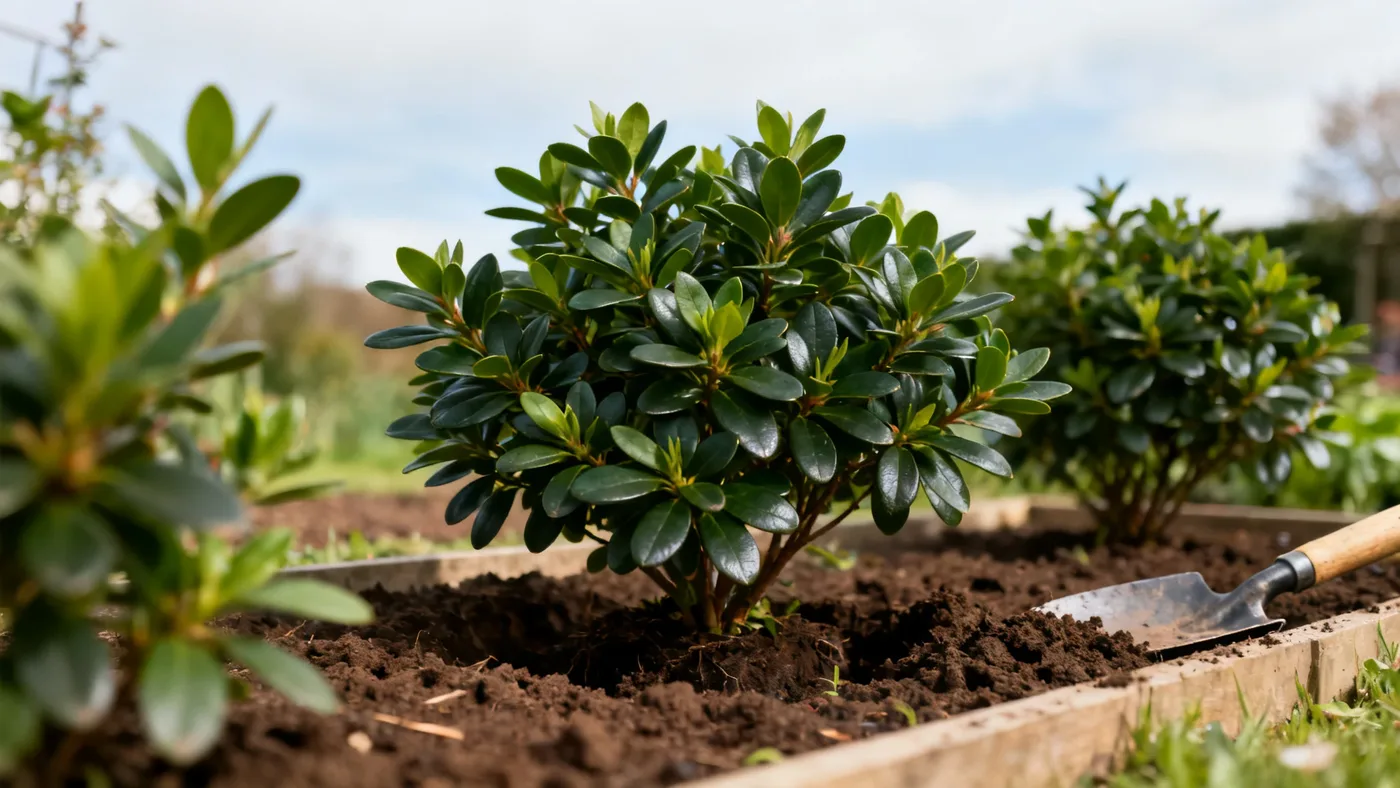
How to Plant Formosa Azalea for a Strong Start
Getting a Formosa Azalea established well is one of the smartest investments you can make in your landscape. This broadleaf evergreen produces spectacular magenta-purple funnel-shaped flowers in early spring, but it only reaches its full potential when planted with care. A strong start means the difference between a thriving shrub and one that struggles with stress, root issues, or sparse bloom. This guide walks you through every step so your Formosa Azalea grows healthy and vigorous from year one.
When to Plant Formosa Azalea
Timing matters for root establishment. The best planting window depends on your climate and local growing season.
Fall is the preferred planting season in zones 8, 9, and 10. Cool autumn air and regular rainfall allow the roots to settle into the soil while the above-ground plant stays dormant. This gives your Formosa Azalea several months to develop roots before spring growth kicks in. Plant in fall at least 6 weeks before the first hard freeze in your area, giving the roots time to anchor.
Early spring is your second-best window, ideally after the last hard frost but before the heat of late spring. In zones 7 and 7b, where winters are harsher, spring planting in March or early April is often safer than fall planting. Container-grown nursery plants flower the first spring after planting regardless of season, though spring-planted specimens may need extra attention through their first summer.
Avoid summer planting. Heat stress and the plant's active growth demands make it difficult for newly planted Formosa Azaleas to keep up with water needs while their root systems are still shallow.
Choosing the Right Location
Formosa Azalea thrives in partial shade to filtered sun. The ideal site receives morning sun with afternoon shade, a combination that promotes bloom while protecting foliage during hot, dry afternoons. In cooler zones (7 and 7b), you can push toward more sun. In hot, humid climates (zones 9 and 10), afternoon shade is essential. Full sun stresses the foliage, while full shade reduces flowering.
Site your shrub where it gets air movement but not harsh wind. Afternoon shade from taller trees or a building works well. Make sure the location won't collect water or form a cold air pocket in winter.
Preparing the Soil
Formosa Azalea is an acid-loving plant that demands well-drained, humus-rich soil. Poor soil preparation is one of the biggest reasons these shrubs fail, particularly in areas with clay or neutral pH.
Test your soil pH if you can. Formosa Azalea performs best in soil with a pH between 4.5 and 6.0. If your soil is neutral to alkaline, you have three options: amend heavily before planting, plant in a raised bed with imported acid soil, or choose a different shrub. Heavy, wet clay soil is a deal-breaker for Formosa Azalea due to root rot risk.
To prepare a planting bed, remove grass and weeds in an area roughly twice the diameter of the root ball. Work the native soil to a depth of 12 to 18 inches, breaking up any compacted layers. If your soil is clay-heavy or compacted, this step is critical.
Mix in 2 to 3 inches of peat moss or aged pine bark to the top 8 inches of soil. This improves drainage and acidity. In areas with naturally acidic forest soils (common in southeastern gardens), you may need less amendment. In alkaline or neutral soils, increase the peat moss to 4 inches.
If your native soil is very poor, consider building a mounded bed 4 to 6 inches higher than grade, filled with a 50/50 blend of native soil and peat moss or bark. This guarantees drainage and gives roots an easier time in their first growing season.
Materials You'll Need
- Container-grown or balled-and-burlapped Formosa Azalea (usually #1 or #3 nursery size)
- Peat moss or composted pine bark (2 to 4 bags per shrub, depending on soil quality)
- Mulch (pine straw, shredded hardwood, or pine bark, 3 to 5 bags)
- Garden spade or shovel
- Watering can or hose with gentle spray nozzle
- Soil acidifier (optional, if pH is above 6.0)
- Slow-release azalea/camellia fertilizer (optional, apply after planting is complete)
Step-by-Step Planting Instructions
Step 1: Prepare the planting hole. Dig a hole slightly wider than the root ball but no deeper. A common mistake is digging too deep; Formosa Azalea roots are shallow, and settling into a deep hole can cause stem rot. The top of the root ball should sit at or just slightly above ground level. In wet sites, mounding the bed 2 to 4 inches higher is protective.
Step 2: Remove the plant from its container. Water your nursery plant a few hours before planting. Gently tip the pot and slide the Formosa Azalea out. If it's root-bound (roots circling the surface of the root ball), carefully tease apart the outer roots with your fingers. Do not break or crush the root ball. Azalea roots are fine and fibrous; rough handling damages them.
Step 3: Set the plant in the hole. Place the azalea upright in the hole. The base of the trunk should be at or just above the original soil line. Azaleas planted too deep are prone to rot and disease. Use a straight stake or straightedge to verify level placement.
Step 4: Backfill with amended soil. Fill the hole halfway with your amended soil (native soil mixed with peat moss). Gently firm it around the root ball to remove air pockets, but do not compress heavily. Water the hole to settle the soil. Continue filling to grade level and water again. The top of the root ball should be visible or just barely covered. Do not mound soil against the stem.
Step 5: Apply mulch. Once the soil has settled, spread 2 to 3 inches of mulch (pine straw or shredded bark) in a 3 to 4-foot circle around the base. Keep mulch several inches away from the stem to prevent rot and pest problems. Mulch insulates the shallow root system, maintains moisture, and moderates soil temperature.
Step 6: Water thoroughly. Water the newly planted Formosa Azalea deeply so water soaks 6 to 8 inches into the soil. Repeat this initial watering in 2 to 3 days if rain does not occur. For the first growing season, maintain even soil moisture without waterlogging.
Spacing in the Landscape
Mature Formosa Azalea reaches 6 to 10 feet tall and 6 to 8 feet wide. For mass plantings or hedges, space plants 4 to 6 feet apart. This allows air circulation and prevents crowding as they grow. If you're using Formosa Azalea as a foundation planting or understory shrub in a woodland garden, position it far enough from structures that its mature width will not interfere with gutters, windows, or walkways.
First-Season Watering and Care
The most critical period for any newly planted shrub is the first growing season. Formosa Azalea is not drought-tolerant while young, so consistent moisture is essential.
Water deeply once or twice per week during the first year, depending on rainfall and summer heat. The goal is to keep the top 4 inches of soil consistently moist but not soggy. If the area receives regular rain (1 inch per week), supplemental watering may not be necessary. During dry spells, water slowly with a soaker hose or drip line to encourage deep rooting.
In fall, taper watering slightly but continue monitoring. Even established Formosa Azaleas appreciate even moisture through fall dormancy.
Do not fertilize immediately after planting. Wait until the following spring, right after bloom, to apply a light feeding with an acid-forming azalea or camellia fertilizer. A second light feeding in early summer is optional. Over-fertilizing promotes excessive vegetative growth at the expense of flowers.
Tips and Common Mistakes to Avoid
Plant too deep. Burying the stem or root collar leads to rot and pest entry. The top of the root ball should be at grade or slightly above. This is the single most common planting error with azaleas.
Ignore soil acidity. Formosa Azalea in neutral or alkaline soil develops chlorosis (yellowing leaves), slow growth, and poor bloom. Test and amend before planting, not after.
Overwater or plant in standing water. Formosa Azalea hates wet feet. Poor drainage or heavy clay will cause root rot, even if you amend the backfill soil. If your site has a history of standing water, reconsider the location or build a raised bed.
Forget the mulch. Mulch is not optional. It protects shallow roots, retains moisture, moderates temperature swings, and reduces stress. Renew it annually to maintain a 2 to 3-inch depth.
Prune in the wrong season. Do not prune Formosa Azalea after midsummer. Pruning in late summer or fall removes the new growth on which next year's flower buds set. Prune only in late spring or early summer, immediately after bloom finishes.
Plant in full sun in hot climates. In zones 9 and 10, full-sun exposure stresses foliage and invites spider mites. Afternoon shade is protective and preserves bloom quality.
What to Expect After Planting
A healthy, well-planted Formosa Azalea should flower in its first spring after planting. Flowers may be less abundant than on older specimens, which is normal. The plant's energy is partly directed toward root establishment.
Growth in the first year may be modest, typically 6 to 12 inches. By the second year, once roots are established, you may observe growth approaching 1 to 2 feet annually under good conditions. Bloom production and plant vigor increase with age. By year 3 to 5, your Formosa Azalea should be a strong, full shrub with robust spring flowers.
Formosa Azalea is a long-lived plant, commonly persisting 50+ years or more with proper care. Early care sets the tone for decades of performance.
Quick Reference Planting Checklist
| Task | Details |
|---|---|
| Planting window | Fall (preferred) or early spring. At least 6 weeks before first hard freeze (fall planting). |
| USDA zones | Zones 7-10; best performance in zones 8-10. |
| Light | Partial shade to filtered sun. Morning sun + afternoon shade ideal. |
| Soil pH | 4.5-6.0 (acidic). Test before planting if unsure. |
| Soil amendment | Mix 2-4 inches peat moss or pine bark into top 8 inches of native soil. |
| Planting depth | Top of root ball at or slightly above grade. Never bury the stem. |
| Spacing | 4-6 feet apart for mass plantings or hedges. |
| Mulch | 2-3 inches (pine straw or shredded bark). Keep 2-3 inches away from stem. |
| First-year watering | Deep, even moisture once to twice weekly. Do not overwater. |
| First fertilizer | Apply acid-forming azalea/camellia fertilizer the following spring after bloom. Do not fertilize at planting. |
| Expected bloom | First spring after planting, typically March-April. Magenta-purple flowers. |
| First-year growth | Modest (6-12 inches typical). Accelerates once roots establish. |
| Mature size | 6-10 feet tall and 6-8 feet wide. Slower-growing specimens may take 8-10 years to reach full maturity. |
Safety note: Formosa Azalea is toxic to pets and people. All parts, including leaves and flowers, contain grayanotoxins. Keep children and pets away from chewing or ingesting any plant material. Wear gloves when handling if you have sensitive skin.
A strong foundation means a thriving Formosa Azalea. Follow these steps, and you'll establish a shrub that rewards you with reliable spring bloom for decades. For ongoing care and pruning guidance, see our Formosa Azalea care guide.