Formosa Azalea FAQ: 12 Most Asked Questions Answered
Growing a thriving Formosa Azalea starts with understanding its needs. This frequently asked questions section covers the most common topics home gardeners ask about this broadleaf evergreen shrub, from planting basics to seasonal care and troubleshooting.
Planting and Location
Where should I plant my Formosa Azalea?
Plant your Formosa Azalea where it receives partial shade to filtered sun, with morning sun and afternoon shade being ideal. Full sun in hot, humid climates stresses the foliage and reduces bloom quality, while full shade cuts flowering production. If you're in the Deep South (zones 9-10), afternoon shade is especially important to prevent heat stress.
What kind of soil does Formosa Azalea need?
This shrub requires acidic, humus-rich, well-drained soil with a pH between 4.5 and 6.0. Heavy, wet clay soils lead to root rot and plant decline, so amend your bed with peat moss, pine bark, or compost before planting. Good drainage is non-negotiable; azaleas cannot tolerate soggy roots even briefly.
When is the best time to plant a Formosa Azalea?
Fall is the preferred planting season in mild-winter zones (8-10), while early spring works well in cooler regions. Either season gives the plant time to establish roots before summer heat or winter cold arrives. Avoid planting in midsummer when the stress of transplanting combines with peak heat.
How far apart should I space Formosa Azaleas?
Space plants 4 to 6 feet apart for mass plantings or hedges, accounting for their eventual mature width of 6 to 8 feet. Closer spacing creates a fuller hedge effect faster but requires earlier pruning to prevent overcrowding. Wider spacing gives each plant room to develop its natural form.
Can I grow Formosa Azalea in a container?
Yes, young plants do well in containers filled with acid-loving plant potting mix, especially in cooler climates where you can move them to a sheltered location for winter. However, the shrub's eventual size (6 to 10 feet tall and wide) makes it better suited for in-ground planting long term. Container plants will need frequent watering and repotting as they mature.
Watering and Soil Care
How often should I water my Formosa Azalea?
Water regularly to keep the soil evenly moist, not soggy. Young plants need consistent moisture and are not drought tolerant, so check the top inch of soil twice a week during dry periods. Established plants appreciate mulch (2 to 3 inches) around the base to keep roots cool and reduce watering frequency.
What should I use to mulch around my Formosa Azalea?
Use pine bark, pine needles, or aged hardwood mulch to create a 2- to 3-inch layer around the plant base, keeping it a few inches away from the stem. These materials break down slowly and acidify the soil as they decompose, which azaleas prefer. Avoid heavy mulches like cedar chips that can smother roots or create a moisture barrier.
Do I need to fertilize my Formosa Azalea?
Feed your plant with an acid-forming azalea or camellia fertilizer in early spring right after blooming finishes. A light second feeding in early summer is optional, but avoid feeding after midsummer because new growth that year will set next year's flower buds. Over-fertilizing leads to soft, pest-prone new growth.
Is Formosa Azalea drought tolerant?
Formosa Azalea has low to moderate drought tolerance and is especially poor at handling dry conditions while young. Once well established (after 3 to 4 years), it tolerates moderate drought better, but consistent moisture produces healthier plants and better flowering. In hot, dry climates, mulch and regular watering are essential.
Pruning and Maintenance
When should I prune my Formosa Azalea?
Prune immediately after flowering finishes, typically by early summer. Avoid pruning after midsummer because the plant sets next year's flower buds on new growth produced during that season, and pruning removes those buds. Wait until the following spring if you miss the early summer window rather than risking a year without blooms.
How much should I prune back?
Remove dead, diseased, or crossing branches first, then cut back live branches by one-third their length to maintain a compact, full shape. Harder pruning (removing half the branch length) stimulates denser branching but should be done only on young plants. Each cut should be made just above a leaf bud or branch junction.
How long does it take for a Formosa Azalea to reach full size?
Nursery plants usually flower the first spring after planting. The shrub reaches its full mature height of 6 to 10 feet and width of 6 to 8 feet in roughly 8 to 10 years. Growth is moderate at approximately 1 to 2 feet per year once established, depending on climate and care.
Bloom Time and Seasons
When does Formosa Azalea bloom?
Formosa Azalea produces its vivid magenta-purple funnel-shaped flowers in early to mid spring, typically March through April. Exact timing varies by region and zone, with warmer zones blooming earlier. The flowers attract bees, butterflies, and hummingbirds but have no fragrance.
What color are Formosa Azalea flowers?
The blooms are vivid magenta-purple, sometimes described as orchid-pink. They are single flowers (not double) with a classic funnel shape. This intense color makes Formosa Azalea a standout in the spring garden compared to lighter pink or white azalea cultivars like 'George Lindley Taber' or 'Mrs. G.G. Gerbing'.
Does Formosa Azalea have fall color?
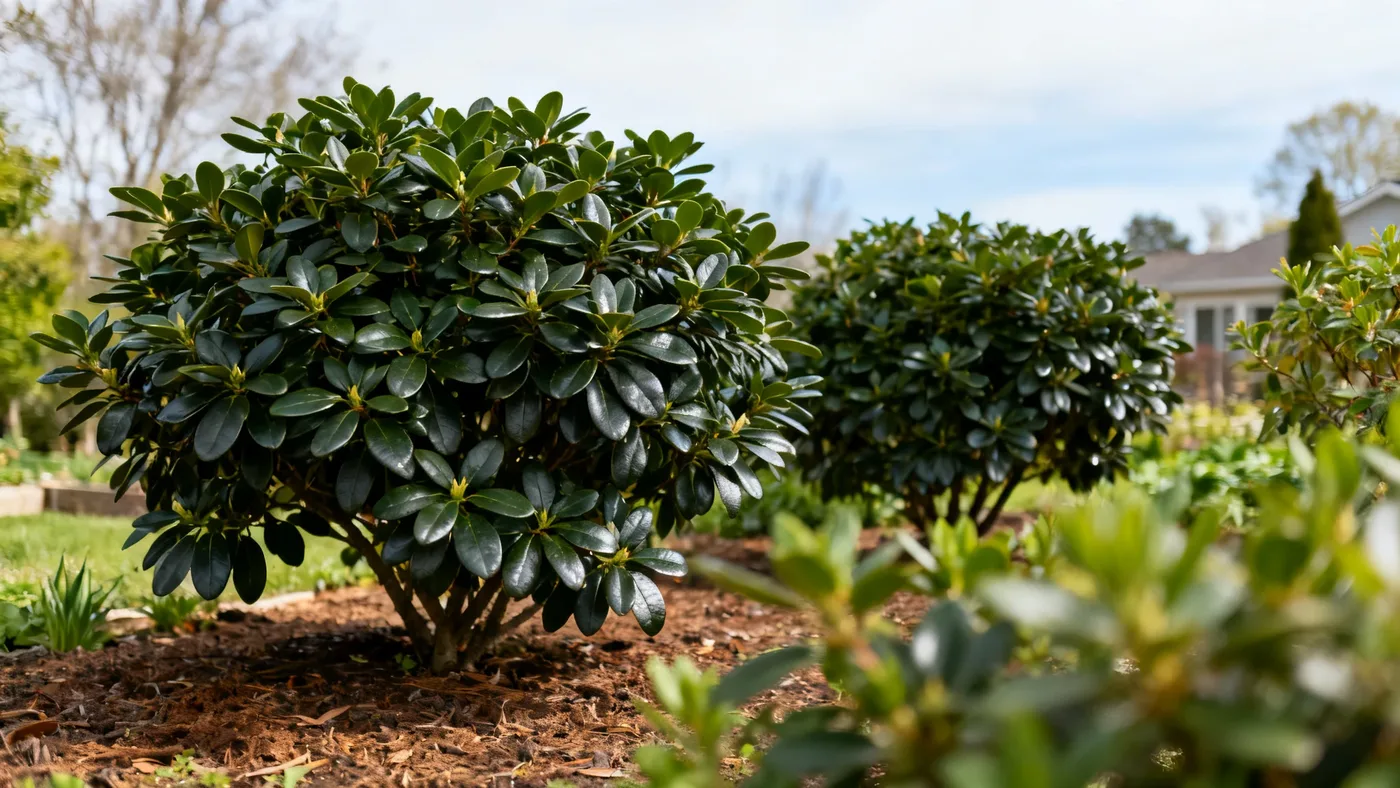
As an evergreen shrub, Formosa Azalea does not display significant fall color change. The dark green, glossy foliage persists year-round, providing winter structure to the landscape. Occasionally in very cold winters, older leaves may bronze slightly, but this is not a primary ornamental feature.
Pests and Disease
What pests attack Formosa Azalea?
The most common pests are azalea lace bug, spider mites, azalea caterpillar, and scale insects. Lace bugs cause fine yellow stippling on leaves and thrive in hot, dry conditions, so consistent moisture and afternoon shade help prevent infestations. Severe infestations may require an insecticidal soap or horticultural oil applied in early morning or evening.
What diseases affect Formosa Azalea?
Petal blight, azalea leaf gall, powdery mildew, and Phytophthora root rot are the main diseases. Root rot occurs almost exclusively in poorly drained or compacted soil, so proper site preparation prevents it. Petal blight causes brown spotting on flowers during wet springs and spreads by splashing water, so water at soil level rather than overhead.
Why are my Formosa Azalea leaves turning yellow?
Chlorosis (yellowing of leaves with green veins) indicates the plant is trying to absorb iron in alkaline soil. Formosa Azalea requires soil pH 4.5 to 6.0 and cannot access nutrients in neutral or alkaline conditions. Test your soil pH; if it's above 6.5, amend with peat moss, pine bark, or elemental sulfur to lower it gradually.
Zones and Climate
What USDA zones is Formosa Azalea hardy in?
Formosa Azalea grows in USDA zones 7 through 10, with some nurseries listing 7b as the cold-hardiness edge. It performs best in zones 8 to 10, where the climate is mild enough to protect flower buds from late-season freezes. In zone 7, select a sheltered planting site with afternoon shade and mulch protection.
Is Formosa Azalea salt tolerant?
Formosa Azalea has low salt tolerance and should not be planted in areas with road salt spray or coastal salt air. If your home is near a road that receives winter salt treatment, plant your azalea on the opposite side of the property or use a windbreak to filter salt. Container plants should use fresh water, never recycled water containing salt.
Landscape and Companions
What plants pair well with Formosa Azalea?
Excellent companion plants include camellias, dogwoods, ferns, hostas, and other azalea cultivars that share the same soil and light preferences. These combinations create a layered woodland garden aesthetic with year-round interest. Avoid planting near shallow-rooted trees like maples that compete for water and nutrients.
Quick Reference Chart
| Characteristic | Specification |
|---|---|
| Mature Height | 6-10 feet |
| Mature Width | 6-8 feet |
| USDA Zones | 7-10 (best in 8-10) |
| Growth Rate | 1-2 feet per year |
| Bloom Time | March-April (early to mid spring) |
| Flower Color | Vivid magenta-purple |
| Sun Requirements | Partial shade to filtered sun |
| Soil pH | 4.5-6.0 (acidic) |
| Spacing | 4-6 feet apart |
| First Bloom | Spring after planting |
| Full Maturity | 8-10 years |
| Lifespan | 50+ years with good care |
| Pruning Time | Immediately after bloom |
| Drought Tolerance | Low when young; moderate when established |
| Deer Resistance | Low (frequently browsed) |
Learn More
These FAQs cover the most common questions about Formosa Azalea facts and care. For step-by-step planting instructions and site selection details, see our guide to planting Formosa Azalea for a strong start. For ongoing seasonal care, pruning schedules, and problem-solving, refer to the complete Formosa Azalea care guide.