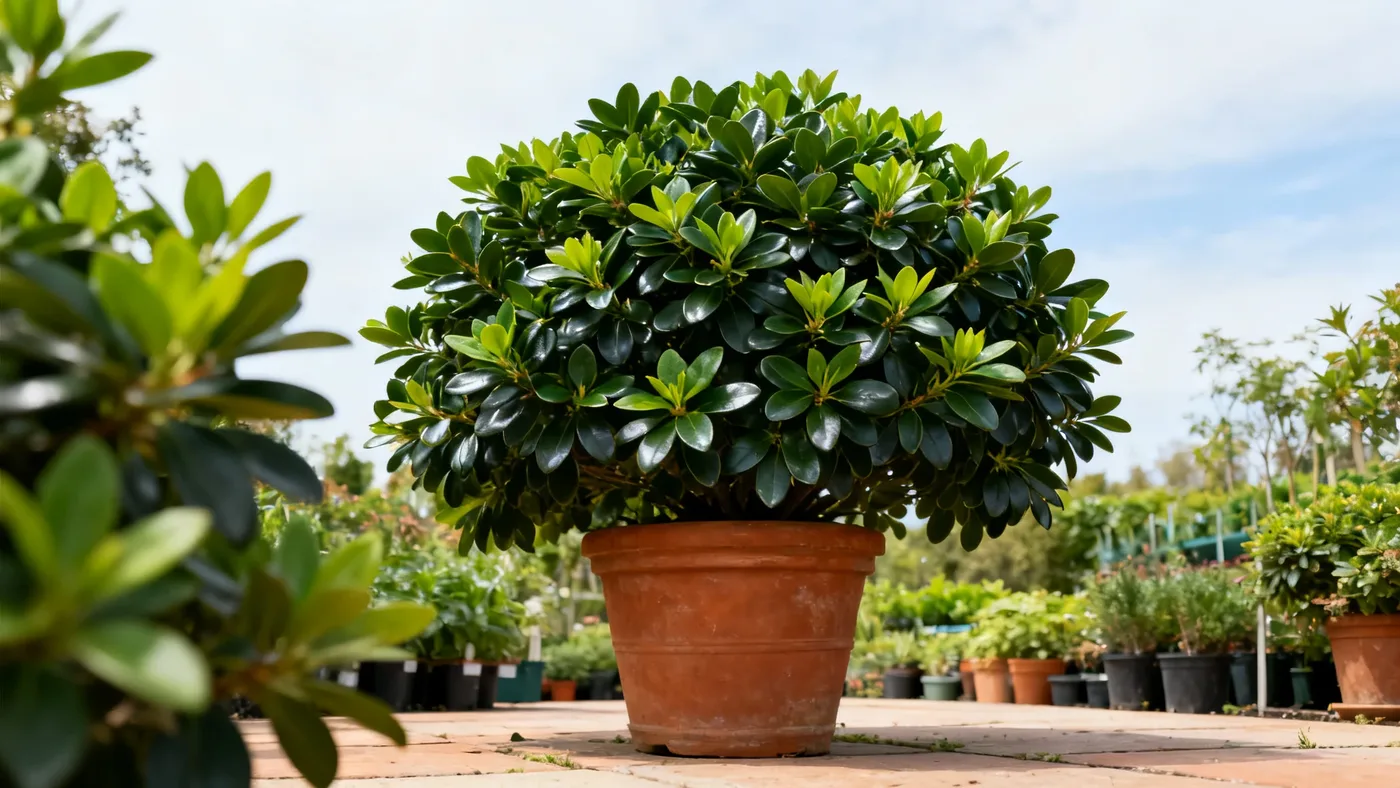
Growing Formosa Azalea in Containers and Pots
Formosa Azalea can be grown successfully in containers while young, making it a practical option for patios, decks, and entryways where space is limited. A potted Formosa Azalea delivers the same vivid magenta-purple spring blooms as in-ground plants, and with proper care, your container plant can flourish for several years. This guide walks you through everything you need to know about growing Formosa Azalea in pots, from selecting the right container to managing water and nutrients through the seasons.
What You'll Need
Before you begin, gather these materials:
- A pot with drainage holes, at least 3 to 5 gallons for young plants (we discuss sizing below)
- Acidic, well-draining potting soil formulated for azaleas or rhododendrons (do not use standard garden soil)
- Mulch (pine needles or bark chips) to maintain soil moisture
- A Formosa Azalea plant from a nursery, typically sold in a quart or #1 container
- Acid-forming azalea or camellia fertilizer
- Watering can or drip system
- Pruning shears for post-bloom maintenance
Choosing the Right Container Size
Container size matters for Formosa Azalea. Start with a pot that is 2 to 3 inches larger in diameter than the nursery container your plant arrives in. A 3 to 5-gallon pot suits young plants well. Make sure your pot has drainage holes at the bottom; standing water is one of the quickest ways to kill Formosa Azalea through root rot.
Keep in mind that Formosa Azalea reaches a mature height of 6 to 10 feet and a width of 6 to 8 feet with age. While container-grown plants remain smaller than in-ground specimens, a large mature container plant will eventually demand more space and more frequent watering. Many gardeners find that container growing works best as a short-term option (3 to 5 years) before the plant is ready for in-ground planting in zones 7 through 10. This is not a limitation but rather an expected life cycle of container cultivation.
Preparing Your Pot and Soil
Formosa Azalea is intolerant of heavy, waterlogged soil. Choose a potting mix specifically formulated for azaleas, rhododendrons, or acid-loving plants. You can also blend standard potting soil with peat moss or bark at a 1:1 ratio to increase acidity and drainage. The soil should have a pH between 4.5 and 6.0 for optimal nutrient uptake.
Fill your pot about one-third full with moist potting mix. This gives you room to settle the root ball without compacting the soil too much. Avoid using garden soil or clay-based mixes, which retain too much water and suffocate the shallow, fibrous roots Formosa Azalea relies on.
Planting Your Formosa Azalea in Containers
Follow these steps to plant your container Formosa Azalea:
- Prepare the root ball. Gently remove your Formosa Azalea from its nursery pot. If the roots are tightly wound, use your fingers or a knife to loosen them slightly. Do not break apart the root ball aggressively; Formosa Azalea roots are delicate and benefit from a gentle touch.
- Position the plant. Set the root ball on the prepared soil in your pot so that the top of the root ball is level with the soil surface. The base of the stem should sit just above the rim of the pot, not buried. Burying the stem invites rot.
- Backfill with soil. Fill around the root ball with your acidic potting mix, pressing gently as you go. Avoid air pockets, but do not compact the soil so firmly that water cannot drain through it. The goal is a snug fit with good contact between roots and soil.
- Water thoroughly. Water until water drains freely from the bottom of the pot. This settles the soil and removes air pockets. Empty any standing water from a saucer beneath the pot within 30 minutes.
- Mulch the surface. Add 1 to 2 inches of mulch (pine needles or finely shredded bark) to the soil surface around the plant. Leave a small gap around the stem to prevent rot. Mulch helps retain moisture and keeps roots cool, both critical for container-grown Formosa Azalea.
Watering and Moisture Management
Watering is the most important task in container Formosa Azalea care. Container plants dry out faster than in-ground plants because they have less soil volume to hold moisture.
- Check soil moisture regularly. Stick your finger 1 inch into the soil. If it feels dry, water. Container Formosa Azalea prefers even, consistent moisture, never waterlogged but never bone-dry.
- Water deeply. When you water, water until it drains from the bottom. Surface watering encourages shallow root growth and leaves the lower root zone dry.
- Frequency varies by season and climate. In spring and summer, you may need to water every 2 to 3 days, especially as the plant grows. In cooler months, reduce frequency. Always check the soil before watering rather than following a fixed schedule.
- Use rainwater or filtered water if possible. Formosa Azalea is sensitive to salt, so if your tap water is high in mineral content, rainwater or distilled water is preferable.
- Never let the pot sit in standing water. Empty saucers after watering. Root rot, a serious threat to Formosa Azalea, thrives in soggy conditions.
Light and Placement
Position your container where the plant receives morning sun and afternoon shade. This is the ideal light condition for Formosa Azalea. Morning sun encourages bloom production, while afternoon shade, especially in hot climates, prevents foliage stress and fading. Full sun in very hot, humid regions can cause leaf yellowing and reduced vigor. Full shade will reduce flowering.
If you are growing your container plant in zones 7 to 8, choose a sheltered location that gets some wind protection during winter. In zones 9 to 10, afternoon shade becomes even more important to prevent heat stress during peak summer.
Fertilizing Your Container Plant
Potted plants exhaust the nutrients in their soil faster than in-ground plants, so feeding is essential.
- Spring feeding. In early spring, right after your Formosa Azalea finishes blooming (typically March or April, depending on your zone), apply an acid-forming azalea or camellia fertilizer according to package directions. This supports new growth.
- Optional summer feeding. A light second feeding in early summer can support continued vigor, though this is optional if your plant appears healthy.
- Avoid late-season feeding. Do not fertilize after midsummer, as new tender growth produced in late season can be damaged by fall frost, especially in zones 7 to 8.
- Use diluted concentrations if watering frequently. Container plants that are watered often may need fertilizer applied at a weaker concentration more often, rather than a single strong dose, to avoid salt burn.
Pruning and Maintenance
Prune your container Formosa Azalea immediately after flowering ends, typically by early summer. Next year's flower buds set on that season's new growth, so late-season pruning removes the buds you are hoping to see next spring.
- Light shaping. Remove dead wood and any branches that cross or rub against each other.
- Control size. If your plant is becoming too large for its container, you can trim back stems by up to one-third of their length right after bloom. Avoid severe pruning, which can stress the plant.
- Thin dense growth. Remove a few older stems at the base to improve air circulation and light penetration into the center of the plant.
Common Problems in Container Growing
Watch for these issues and how to manage them:
- Leaf yellowing. Often a sign of chlorosis caused by alkaline soil or poor drainage. Check your soil pH (should be 4.5 to 6.0) and ensure water drains freely. If you are using hard tap water, switch to rainwater.
- Leaf or flower drop. Usually caused by drought stress or sudden temperature swings. Maintain even soil moisture and avoid moving the container to drastically different light or temperature conditions.
- Root rot. The most serious threat. It results from prolonged wet soil. Ensure drainage holes are clear and never let the pot sit in a saucer of water. If you suspect root rot, unpot the plant and inspect the roots; healthy roots are white or light-colored and firm.
- Pest infestations. Azalea lace bug and spider mites can occur on container plants. Inspect leaves regularly. If pests appear, a strong spray of water from the hose often dislodges them, or apply insecticidal soap if needed.
- Powdery mildew. Poor air circulation in humid climates can lead to this fungal issue. Prune to improve airflow and avoid wetting foliage when watering.
When to Move Your Plant to the Ground
Formosa Azalea grows at a moderate rate of roughly 1 to 2 feet per year once established. Within 3 to 5 years, a container plant will likely outgrow its pot and benefit from in-ground planting where root space is unlimited. At that point, you can transplant your Formosa Azalea to a garden bed in fall (preferred in mild-winter zones) or early spring. Choose a location with the same light and soil requirements you have been providing in the container: acidic, well-drained soil and partial shade to filtered sun.
For more detailed care information, see our complete Formosa Azalea care guide.
Tips to Avoid Costly Mistakes
- Do not use garden soil or topsoil in your container. These compact over time and drain poorly.
- Do not fertilize during fall or winter. This stimulates tender growth vulnerable to frost.
- Do not ignore drainage. A pot without drainage holes is a death sentence for Formosa Azalea.
- Do not assume one watering schedule fits all seasons. Adjust frequency based on soil moisture, not a calendar.
- Do not prune after midsummer, or you will sacrifice next spring's blooms.
- Do not position the pot where it receives harsh afternoon sun in hot climates. Afternoon shade is not optional in zones 9 to 10.
What to Expect
A well-maintained container Formosa Azalea will produce its first blooms in early to mid-spring, typically March or April depending on your zone. You can expect vivid magenta-purple, funnel-shaped flowers that attract bees, butterflies, and hummingbirds. The dark green, glossy evergreen foliage provides structure year-round. With consistent care over 3 to 5 years, your potted plant will grow 1 to 2 feet per year and may reach 3 to 6 feet tall before it is ready for in-ground planting.
Bear in mind that Formosa Azalea is toxic to pets and people if ingested, so place containers out of reach of curious hands and paws.
Quick Reference: Container Growing Checklist
| Task | Timing | Notes |
|---|---|---|
| Plant or repot | Fall or early spring | Use 3 to 5-gallon pot with drainage holes; acidic potting mix, pH 4.5 to 6.0 |
| Watering | Year-round, adjust frequency | Keep soil moist but not waterlogged; check moisture before watering |
| Fertilizing | Early spring, optional early summer | Acid-forming azalea/camellia fertilizer; never after midsummer |
| Pruning | Immediately after bloom (early summer) | Remove dead wood and shape; avoid pruning after midsummer |
| Light placement | Year-round | Morning sun, afternoon shade; critical in zones 9 to 10 |
| Pest/disease check | Monthly during growing season | Watch for lace bug, spider mites, powdery mildew, root rot |
| Transition to ground | After 3 to 5 years or when outgrows pot | Move in fall (preferred) or early spring to in-ground bed |