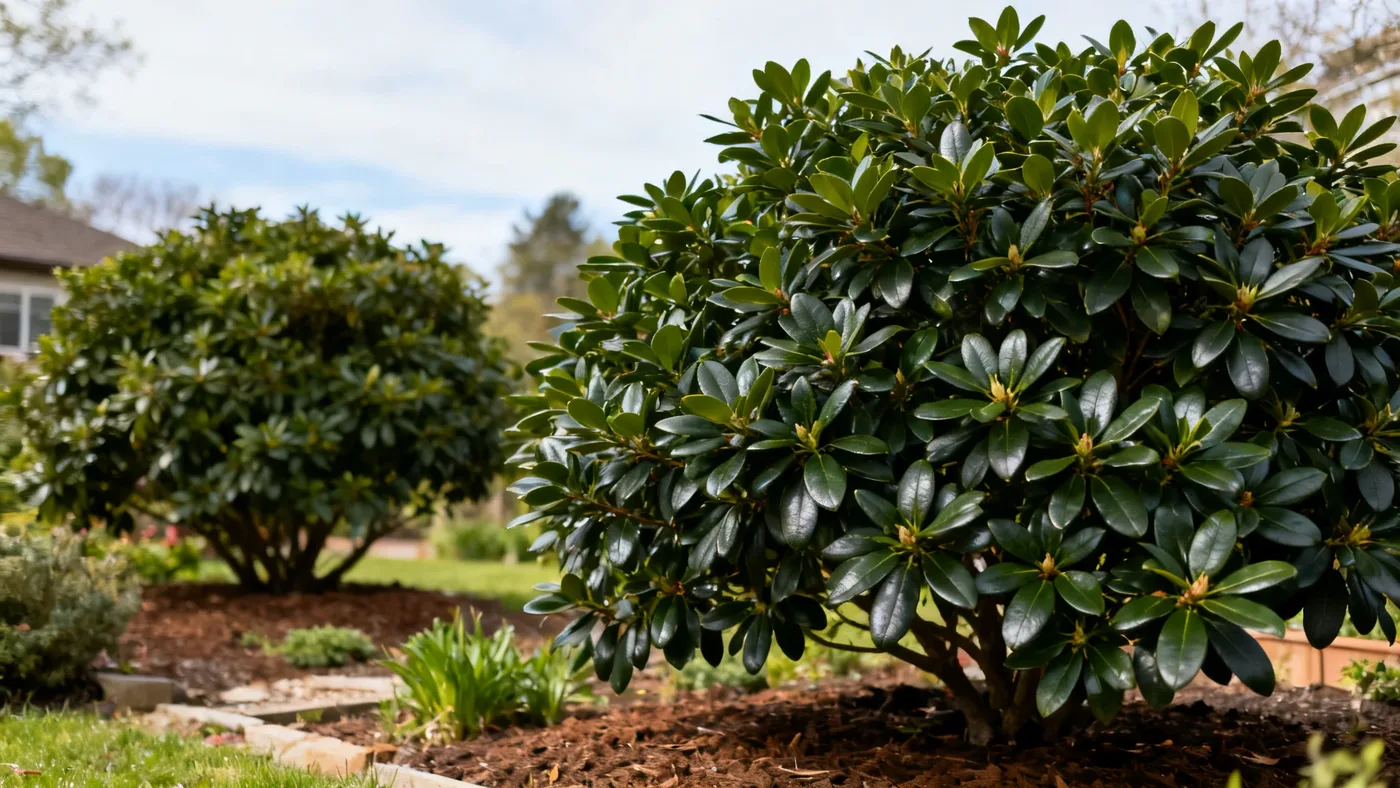
Watering Formosa Azalea: A Complete Seasonal Guide
Formosa Azalea thrives on consistent moisture, but "consistent" does not mean wet. The key to healthy growth is understanding how much water your plant needs as it moves through the year, and how your local climate and soil affect that need. This guide walks you through watering Formosa Azalea from spring planting through winter rest, with seasonal adjustments you can make right away.
Why Water Matters for Formosa Azalea
Formosa Azalea is not drought tolerant, especially while young. The roots are shallow and stay near the soil surface, so they dry out faster than deeper-rooted plants. At the same time, the plant is intolerant of heavy, waterlogged soil. This creates a narrow target: even moisture without standing water. When you get it right, you'll see healthy foliage, robust bloom, and strong growth. When you miss it, leaf drop, flower drop, and root rot become common problems.
Soil type matters as much as watering schedule. Formosa Azalea must have acidic, humus-rich, well-drained soil with a pH between 4.5 and 6.0. If your native soil is clay-heavy or alkaline, amending it before or at planting time is the best investment you can make. Even excellent watering cannot save a plant in poor soil.
Spring: Getting a New Plant Established
If you've just planted Formosa Azalea in early spring or fall, its first few months are critical. A newly planted shrub has not yet developed a deep root system, so it depends entirely on surface moisture.
Step-by-step spring watering for new plants:
- Water immediately after planting. Soak the planting hole thoroughly so soil settles around the roots and eliminates air pockets. Water until you see moisture pooling slightly at the soil surface, then let it drain.
- Water again 2-3 days later. Check soil 2 inches deep with your finger. If it feels dry, water again. Your goal is to keep the top 4-6 inches consistently moist (not waterlogged) for the first 4-6 weeks.
- Apply 2-3 inches of mulch around the base. Use hardwood bark, aged pine needles, or compost. Keep mulch 3-4 inches away from the stem to prevent rot. Mulch insulates soil, keeps roots cool, and reduces evaporation. This is not optional for young plants.
- Check soil moisture twice a week during the first month. Push your finger into mulch and soil. If it feels dry past the first inch, water. As the plant settles in and roots extend, you can water less frequently.
- By mid-spring, move to once-weekly deep watering. Water slowly so moisture penetrates 8-10 inches. A slow soaker hose or drip line is ideal; overhead watering wastes water and can wet foliage, promoting disease.
Newly planted Formosa Azalea will bloom the first spring after planting, but direct all energy toward root establishment, not flowers. If buds form before the plant is visibly growing new shoots, pinching off some buds lets the plant invest in roots instead.
Summer: Maintaining Steady Moisture
Summer is when Formosa Azalea is most vulnerable to drought stress. Temperatures climb, evaporation accelerates, and shallow roots struggle to keep up. This is the season you'll catch most watering mistakes.
Summer watering schedule:
- Water deeply once per week, or more often if rainfall is scarce. "Deeply" means until water reaches 8-10 inches into soil. A 1-2 inch rainfall counts as one weekly watering; if the week brings no rain, you must provide it.
- In hot, dry climates or during heat waves, water twice weekly. If temperatures stay above 85°F and humidity is low, shallow roots will dry out faster. Stick with the 2-inch soil-check test: if soil is dry past 2 inches, water.
- Water early morning or late evening. Avoid watering at midday, when intense heat and low humidity cause most moisture to evaporate before roots absorb it. Early morning is ideal because it wets foliage just as dew dries, lowering disease risk.
- Keep mulch refreshed. By midsummer, mulch settles and may thin. Top it up to maintain 2-3 inches. This is one of the easiest ways to protect summer moisture.
- Inspect foliage weekly for stress signs. Wilting, browning leaf edges, or early leaf drop means drought stress is setting in. If you see these, increase watering frequency immediately and check soil pH (alkaline soil can block water uptake even when soil is wet).
Fall and Winter: Slowing Down
Formosa Azalea is evergreen, so it does not fully go dormant. Growth slows in fall and stops in winter, but the plant still needs moisture. Rainfall often increases in fall, which helps. Winter watering depends entirely on your zone.
Fall (September-November in most zones):
- Water weekly if rainfall is sparse. Many regions see fall rains, so check soil before watering. If the top 3-4 inches are moist, skip watering.
- Do not fertilize after midsummer. Late fertilizing encourages new growth that will be killed by frost, stressing the plant. Spring feeding (right after bloom) is the correct time.
- Keep mulch in place. A thick mulch layer protects shallow roots from freeze-thaw cycles and keeps soil temperature more stable.
Winter (December-February in zones 8-10; November-March in zone 7):
- Water during dry spells, even in winter. Evergreen foliage continues to lose moisture through transpiration. If no rain or snow falls for 2-3 weeks and soil is dry, water lightly.
- In zones 7b and 7, be especially careful of winter desiccation. Cold, dry winds pull moisture from foliage even as frozen soil prevents roots from replacing it. Keep soil slightly moist and maintain mulch thickness.
- Do not overwater in winter. Wet, cold soil invites root rot. Water only if soil is dry, and only enough to rewet the top few inches.
Materials and Tools You'll Need
- A moisture meter or your finger (finger is reliable)
- Soaker hose or drip line (optional but strongly recommended)
- Hardwood bark mulch, pine needles, or compost
- A garden hose with a soft spray nozzle
- Soil pH test kit (inexpensive; available at garden centers)
Recognizing Overwatering and Drought Stress
Both overwatering and underwatering cause similar symptoms: leaf drop and wilting. The difference is in the soil.
| Problem | Signs | Soil Feel | Action |
|---|---|---|---|
| Drought stress | Leaves curl, brown at edges, drop early. Wilting that worsens in afternoon. | Dry, pulls away from pot edge | Water deeply and immediately. Reduce watering frequency if soil drains well; may be a depth issue. Check for shallow root zone. |
| Overwatering | Leaves yellow or drop. Growth stops. New shoots weak or blackened at base. | Constantly wet, smells sour or moldy | Stop watering immediately. Improve drainage by amending soil with bark, sand, or perlite. If in a pot, repot into fresh, well-draining mix. Check for root rot. |
| Chlorosis (yellowing) | Leaves yellow with green veins. Occurs even with adequate water. | May be moist but soil pH is high (alkaline) | Test soil pH. If above 6.0, amend with sulfur or aluminum sulfate to lower pH. Recheck in 3 months. |
Common Mistakes to Avoid
Setting and forgetting a schedule. Every garden is different. Clay soil holds water longer than sandy soil. A coastal garden with fog has lower evaporation than an inland site. Check soil before watering, not the calendar.
Overhead watering. Wetting foliage increases disease risk and wastes water. Drip irrigation or a soaker hose at soil level is far more efficient.
Skipping mulch. Mulch is not decoration; it is essential for shallow-rooted plants. It regulates soil temperature, keeps roots moist longer, and reduces your watering workload.
Planting in clay or compacted soil without amendment. Even perfect watering cannot overcome poor drainage. If your soil is heavy clay, mix in 3-4 inches of aged bark, compost, or peat moss before planting. This is your only chance to fix drainage.
Watering in late afternoon or evening. Wet foliage going into cool nights creates conditions for fungal disease. Morning watering allows foliage to dry quickly.
Seasonal Water Needs at a Glance
| Season | Frequency | Soil Moisture Target | Key Action |
|---|---|---|---|
| Spring (new plant) | 2-3x per week for 4 weeks, then 1x weekly | Top 4-6 inches consistently moist | Mulch heavily; focus on root establishment |
| Spring (established plant) | 1x weekly or as needed | Top 6 inches moist, not soggy | Water as bloom finishes; resume normal feeding schedule |
| Summer | 1-2x weekly depending on heat | Top 8-10 inches moist | Deep watering early morning; monitor for wilting |
| Fall | 1x weekly if rain is sparse | Top 4-6 inches moist | Check soil before watering; rainfall often covers need |
| Winter | Only during dry spells (every 2-3 weeks if no rain/snow) | Lightly moist, never soggy | Protect from winter desiccation with mulch; water sparingly |
Final Thoughts
Watering Formosa Azalea is as much about knowing your soil and climate as it is about knowing the plant. A newly planted shrub needs more attention; an established plant in well-amended soil tolerates your schedule more gracefully. Start by checking soil with your finger at least once a week, and adjust based on what you find. Mulch is your best tool for reducing watering stress and keeping roots cool and moist. If you're in zones 8 to 10 with reliable summer rainfall and neutral to acidic soil, Formosa Azalea will reward consistent care with years of reliable bloom and healthy foliage. For more on caring for Formosa Azalea year-round, see the complete care guide.