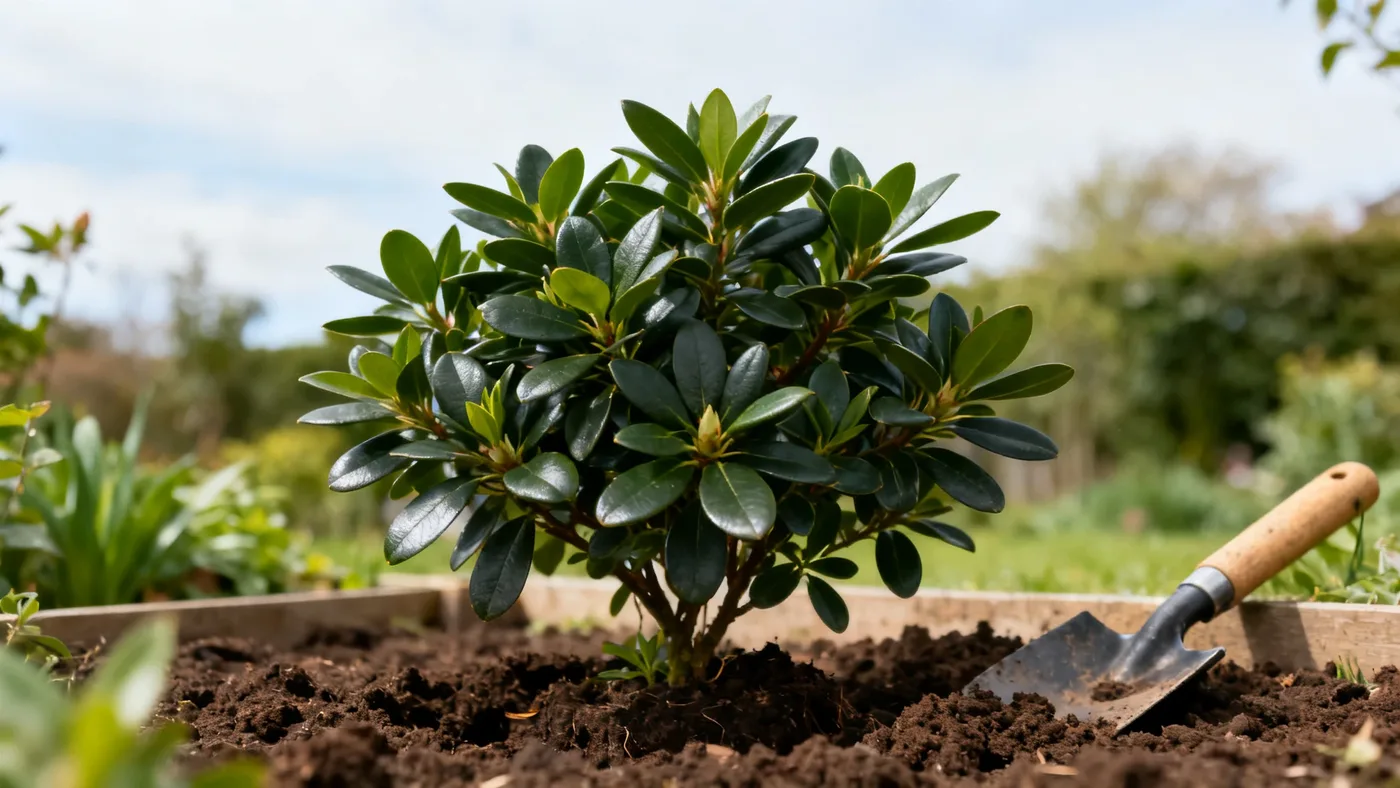
Formosa Azalea Landscape Ideas and Companion Plants
Formosa Azalea is one of the South's most reliable broadleaf evergreens for spring color, and its landscape applications go far beyond a solitary specimen. Whether you're designing a foundation screen, creating a hedge, or building a layered shade garden, this magenta-to-orchid bloom powerhouse fits multiple roles in a well-planned landscape. The key to success is understanding its growth habit: a moderate spreader reaching 6 to 10 feet tall and 6 to 8 feet wide. In zones 8–10 (the plant's sweet spot), Formosa Azalea thrives with consistent moisture and acidic soil, making it an asset to gardens where other shrubs struggle. Read on for seven proven landscape applications and companion-plant pairings that will help you get the most out of this versatile plant in your garden.
1. Foundation Planting and Entry Screening
Use Formosa Azalea as a living backdrop to your front door or along a house foundation. The dense, evergreen foliage provides year-round structure, and the spring bloom makes an unmistakable welcome when visitors arrive. Plant it 4 to 6 feet from the foundation, allowing room for mature spread without crowding the house wall. Choose a spot with morning sun exposure, typically the east-facing side of a home, so the blooms open in spring sunlight without scorching in afternoon heat.
A single specimen works well for cottage-style entries, but a staggered trio creates more impact on a wider wall. Space them 5 to 6 feet apart if you want them to merge into a unified screen by year 5 to 8. Feed with an acid-forming azalea fertilizer right after bloom finishes in early summer to encourage dense next-season growth. For detailed planting and aftercare steps, see our complete care guide.
Practical takeaway: Site your Formosa Azalea east-facing, 4 to 6 feet from the foundation. For a more substantial screen, plant in a staggered row with 5- to 6-foot spacing, and fertilize after bloom.
2. Hedges and Privacy Borders
Formosa Azalea makes an exceptional informal hedge, especially when you want evergreen privacy combined with a single bold spring flush. Its moderate growth rate, roughly 1 to 2 feet per year once established, means you'll reach a mature screen in 5 to 7 years. Space plants 4 to 6 feet apart along the border you want to screen. They'll gradually fill the gaps with interlocking canopies.
Pruning timing is critical for hedge success. Prune immediately after flowers drop, typically by early June. This allows the plant the full growing season to set next spring's flower buds. Never prune after midsummer, or you'll sacrifice blooms the following year. A light annual trim keeps the hedge dense and shaped; heavy cutbacks are best done in the first two years to force branching.
Be aware: Formosa Azalea attracts deer, and a young hedge may need temporary fencing or deer-deterrent applications if you're in a high-browse area. Once established and taller than 6 feet, plants are less vulnerable.
Practical takeaway: Plant at 4- to 6-foot spacing, prune immediately after spring bloom, and protect young plants from deer if needed. You'll have a lush evergreen privacy screen with annual magenta blooms.
3. Mass Plantings for Spring Impact
A grouping of three to five Formosa Azaleas in a woodland opening or under high-canopy trees creates a stunning spring focal point. Plant them at the closer end of the spacing range, 4 to 5 feet apart, so they form a cohesive cluster within a few years. The result is a drift of magenta-purple bloom that draws the eye even from across a property.
Mass plantings work best in partial shade to filtered sun, especially in southern zones where full sun stresses foliage color. Prepare the soil with peat moss or compost to acidify and improve drainage. Water regularly during the first two growing seasons (Formosa Azalea is not drought-tolerant while young) and apply a 2-inch mulch layer to keep roots cool and moist.
Companion these plantings with understory shade perennials to extend interest beyond the spring bloom window. The evergreen foliage then anchors the planting through summer and winter.
Practical takeaway: Plant three to five specimens at 4- to 5-foot spacing in partial shade, amend soil heavily, and mulch generously. You'll have a show-stopping spring display with minimal fuss.
4. Companion Planting with Camellias and Dogwoods
Formosa Azalea pairs beautifully with other broadleaf evergreens and spring bloomers. Camellia is the classic companion: both love acidic, well-drained soil and bloom in spring, though Camellias flower earlier (in winter to early spring), giving you a color relay. Dogwoods offer a contrasting form and lighter bloom color; the soft white or pink of a flowering dogwood creates elegant texture against Formosa's bold magenta.
Both companions share the Formosa Azalea's preference for morning sun and afternoon shade. Plant camellias about 6 to 8 feet away to avoid root competition; dogwoods can be further out since they eventually reach larger size. The layered foliage heights (low shrub, mid-sized evergreen, tall understory tree) create depth and visual interest.
Fertilize the entire grouping with a single acid-forming fertilizer application in early spring, right after the main bloom flush. This approach simplifies feeding and keeps all three plants in the same soil chemistry. All three attract pollinators, so you'll support bees and butterflies across a longer season.
Practical takeaway: Combine Formosa Azalea with Camellia or Dogwood for a spring-color relay and layered form. Space 6 to 8 feet from the Azalea, and apply acid-forming fertilizer to the entire group in early spring.
5. Shade Garden Understory Layer
In a woodland garden or under mature shade trees, Formosa Azalea fills the mid-story gap between low perennials and high tree canopy. Its mature height of 6 to 10 feet makes it an ideal height layer in a garden that includes low ferns and hostas below and large dogwoods or oaks above.
This understory role is particularly valuable in zones where strong afternoon sun stresses tender plants. The filtered light under a high canopy is ideal: morning sun reaches down to ripen growth and set flower buds, but harsh midday heat is blocked. Water consistently during dry spells; the root competition from the overhead trees means soil moisture is already limited.
Layer your understory plantings carefully. Place Formosa Azalea where it won't overshadow shade-loving perennials; a north-facing or east-facing side of the trees works well. Space it far enough from tree trunks, at least 4 to 6 feet out, to avoid root competition. The spring bloom then stands out against the fresh canopy green, making an undeniable seasonal focal point.
Practical takeaway: Position Formosa Azalea 4 to 6 feet from tree trunks in a filtered-shade understory. Water during dry spells and pair with shade perennials that don't compete for root space.
6. Mixed Border with Ferns and Hostas
Formosa Azalea is an outstanding backdrop for a layered mixed border. Plant it toward the rear of the bed, where its 6- to 10-foot height creates a living wall, then front it with hostas and ferns that provide textural contrast and summer-to-fall interest when the Azalea is simply green.
The magenta spring bloom draws attention upward, then the cooling colors of hosta foliage (blues, golds, greens) take over visually once bloom fades. Ferns add a soft, feathery texture that plays beautifully against the Azalea's glossy, solid-green leaves. Both hostas and ferns share the Azalea's love of acidic, humus-rich soil, so you're planting partners in soil chemistry as well as aesthetics.
Space the Azalea to avoid shading the shorter plants directly; a spacing of 3 to 4 feet back from the front edge gives hostas and ferns enough light to thrive. In hot southern zones, afternoon shade is actually beneficial for the entire grouping. Fertilize once in early spring with an acid-forming formula, and mulch heavily to keep roots cool and retain moisture.
Practical takeaway: Use Formosa Azalea as a rear backdrop in a border, front it with hostas and ferns, and space 3 to 4 feet deep. One early-spring feeding fuels the entire composition.
7. Spring Color Succession Planning
Don't let your spring garden peak in March and fade to green by June. Plan a succession of bloom by interplanting Formosa Azalea with earlier and later spring bloomers. Camellias and early bulbs (snowdrops, hellebores) bloom first, then Formosa Azalea takes center stage in March or April, followed by late-spring bloomers like tall bearded iris or late-flowering Rhododendron cultivars.
This approach keeps color moving through the spring without requiring replanting. Formosa Azalea is the mid-season anchor of the succession. Choose companion plants with similar sun, water, and soil needs so you're not managing multiple watering or feeding schedules. All of these spring bloomers thrive in partial shade and acidic, well-drained soil.
Document your planting plan with a rough sketch or photo; it's easy to forget which spot has what in midsummer when everything is green. By spring, you'll have a coordinated display that looks intentional and seasonal.
Practical takeaway: Plant Formosa Azalea mid-season in a succession timeline. Pair it with early Camellias and late-spring bloomers using identical soil and light requirements. Sketch your planting plan for reference.
Quick Reference: Formosa Azalea Landscape Checklist
Before planting:
- Confirm growing zone (best in zones 8–10)
- Choose a spot with morning sun and afternoon shade
- Test soil pH (target 4.5–6.0; amend if alkaline)
- Ensure well-drained soil; avoid wet clay
- Plan spacing: 4–6 feet for hedges and foundation plantings; 4–5 feet for mass plantings
- Prepare planting hole with peat moss or sulfur to acidify
Year-one care:
- Water consistently; don't let soil dry out
- Apply 2-inch mulch layer
- Feed with acid-forming azalea fertilizer in early spring, right after bloom finishes
Ongoing maintenance:
- Prune immediately after spring bloom ends (by early June)
- Never prune after midsummer
- Protect young plants from deer if browsing occurs
- Watch for pests: lace bugs, spider mites, scale insects
- Expect mature height 6–10 feet, mature width 6–8 feet
Best companion plants:
- Camellias (shared soil and light preferences)
- Dogwoods (layered form, lighter spring color)
- Hostas (textural contrast in borders)
- Ferns (feathery softness, shade tolerance)
- Other azalea cultivars (extended color range)