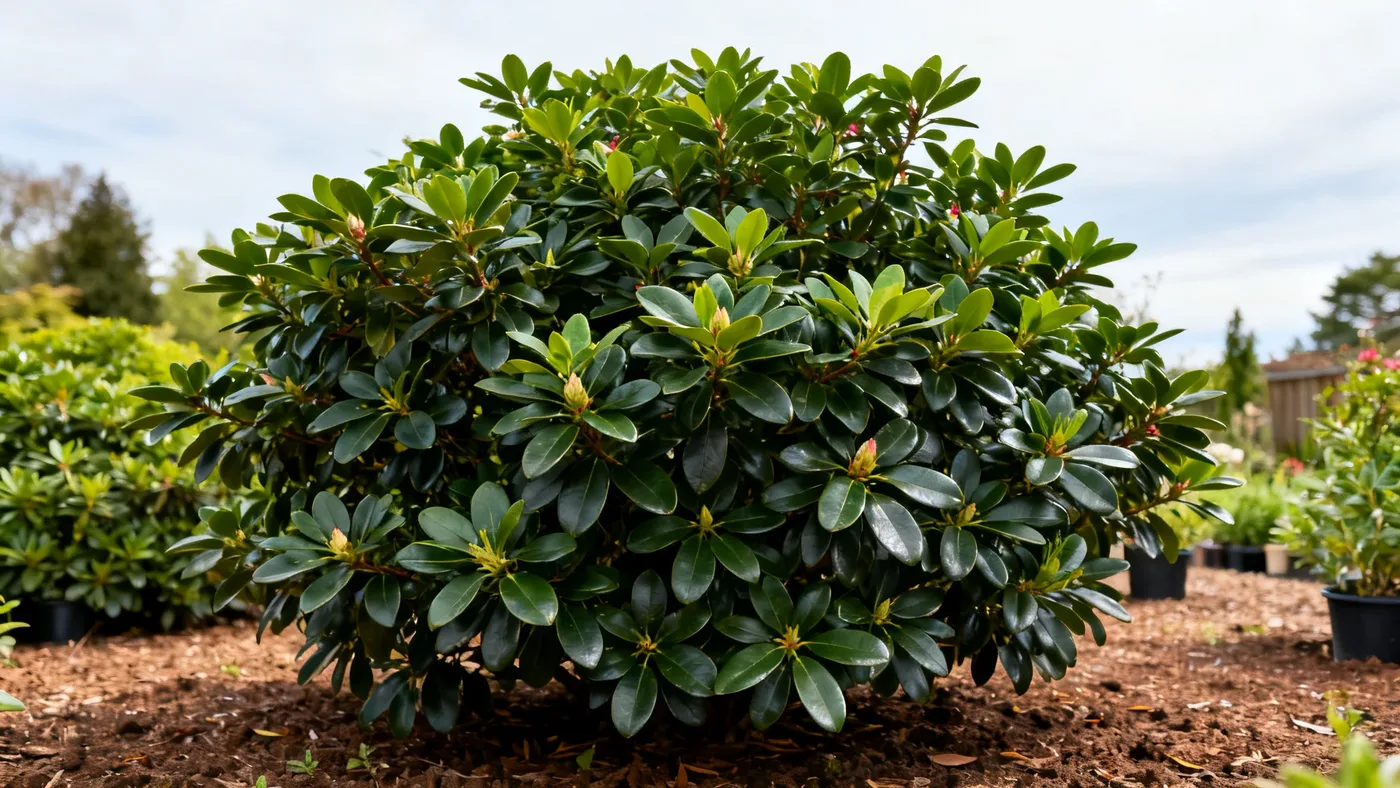
Is Formosa Azalea Drought Tolerant? Heat and Water Stress
Formosa Azalea is not drought tolerant, especially while young. The straight answer: this broadleaf evergreen shrub requires regular, even moisture and struggles when deprived of water or exposed to prolonged heat. If you're planting one in a hot climate or an exposed location, understanding its water needs upfront is critical to keep your plant healthy and blooming reliably.
Understanding Formosa Azalea's Water Needs
Formosa Azalea (Rhododendron 'Formosa') has shallow, fibrous roots that sit near the soil surface. This root system means two things: it finds water quickly when it's there, but it dries out fast when it's not. Young plants are especially vulnerable. A newly planted Formosa Azalea can decline rapidly if soil dries between waterings.
Even once established (typically after 2 to 3 growing seasons), Formosa Azalea's drought tolerance remains low to moderate at best. The plant can survive some dry periods, but performs best with consistent moisture. In zones 8-10, where it performs best, summer heat accelerates water loss from both soil and foliage.
The ideal growing environment combines two conditions: partial shade to filtered sun, and regular watering. Full sun in hot, humid climates stresses the foliage directly, causing leaf damage independent of soil moisture. Morning sun with afternoon shade is the sweet spot.
Signs of Drought and Heat Stress
Recognizing stress early lets you intervene before the plant suffers permanent damage. Formosa Azalea shows distress in predictable ways.
Leaf and flower drop is the most visible sign. When soil dries out or heat stress builds, the plant sheds leaves and flowers as a survival response. You might notice this as sparse, thin foliage in midsummer or blooms falling prematurely. Some yellowing of older inner leaves can occur naturally, but widespread yellowing across new growth suggests trouble.
Brown leaf margins or scorched-looking edges indicate either drought stress, heat stress, or both working together. In partial shade, leaf scorch usually means the soil has dried. In full sun, heat damage can appear even if soil moisture is adequate.
Wilting during hot afternoons is normal if it recovers by evening. Persistent wilting that doesn't recover overnight signals drought. At that point, the plant has already lost vigor and needs immediate watering.
Materials and Preparation
Managing water and heat stress requires a few materials and preparation steps before planting. Gather these items:
- Mulch (2 to 4 inches depth): pine bark fines, composted hardwood, or acid-forming mulch formulated for azaleas
- Soil amendment: peat moss or compost to boost organic matter and water retention
- Soil pH test kit or pH meter: to verify acidity (target 4.5-6.0)
- Watering can or soaker hose: for consistent, deep watering
- Garden shovel and spade: for digging and soil prep
- Shade cloth or burlap (optional): for temporary protection during heat waves or in the first season after planting
Before planting, test your soil. Formosa Azalea is intolerant of heavy, wet clay and alkaline soil. Both conditions cause root stress and increase drought vulnerability. If your soil is alkaline or compacted clay, amend it generously. Mix 3 to 4 inches of peat moss or compost into the planting bed.
Step-by-Step Guide: Managing Water and Heat
Step 1: Choose the Right Location
Site selection is your first line of defense. Select a spot with morning sun and afternoon shade. Avoid full sun exposure, especially in zones 8-10 where afternoon temperatures routinely exceed 85°F. In cooler zones (7-7b), more morning sun is tolerable if afternoon shade is guaranteed. If your yard is entirely shaded, Formosa Azalea will still grow but bloom less profusely.
Step 2: Dig a Planting Hole and Amend Soil
Dig a hole twice as wide as the root ball and just as deep. The width matters more than depth for shallow-rooted plants. Mix excavated soil 50-50 with peat moss or compost to boost water-holding capacity and acidity. Loosen the amended soil in the bottom of the hole so roots can penetrate easily. Compacted soil near the roots worsens drought stress and root rot risk.
Step 3: Plant at the Right Depth
Set the plant so the top of the root ball is level with the ground. Planting too deep buries the shallow root system and increases rot risk. Planting too shallow exposes roots to air and heat. Back-fill with amended soil, pressing gently to eliminate air pockets.
Step 4: Apply Mulch Immediately
This is non-negotiable for young plants. Spread 2 to 4 inches of mulch around the base, keeping it 2 to 3 inches away from the stem to prevent rot. Mulch cools the soil, reduces water evaporation, and moderates temperature swings. Replenish mulch each spring as it breaks down.
Step 5: Water Deeply and Frequently in Year One
During the first growing season, water deeply twice per week if rainfall is less than 1 inch per week. "Deeply" means soaking the soil 6 to 8 inches down, not just wetting the surface. A soaker hose laid on the mulch delivers water directly to the root zone with minimal evaporation. Water in early morning to allow foliage to dry before heat peaks.
Step 6: Maintain Even Moisture Through Summer
As the plant matures, reduce frequency but maintain consistency. Stick your finger 2 inches into the mulch weekly. If it feels dry, water. In hot climates, this may mean watering weekly or more during July and August. In cooler zones or during cool springs, every 10 to 14 days may suffice.
Step 7: Monitor and Adjust in Hot Spells
When temperatures exceed 90°F for multiple days, increase watering frequency slightly. Watch foliage for signs of stress. If leaf edges brown or leaves drop despite regular watering, consider temporary shade cloth in the afternoon or relocating the plant if it's in a container. Once established (after 2 to 3 years), the plant is more resilient but still benefits from consistent moisture during heat waves.
Tips to Avoid Common Mistakes
Mistake: Planting in Heavy Clay or Compacted Soil Heavy clay restricts drainage and root growth. Roots suffocate in wet clay, yet the soil surface dries faster than well-amended soil, creating a paradox: the roots are waterlogged while the upper soil is dry. Amend clay soil heavily or grow the plant in a raised bed with imported soil.
Mistake: Skipping Mulch Bare soil around Formosa Azalea heats up fast and dries out fast. Without mulch, you'll water more often and the plant will stress more. Mulch is cheap insurance.
Mistake: Underwatering to "Toughen Up" the Plant Young Formosa Azaleas cannot be hardened off by withholding water. Drought stress causes permanent damage to roots and foliage. Once roots are compromised, the plant becomes even more vulnerable to future stress. Water consistently, especially in year one and two.
Mistake: Planting in Full Sun and Expecting Success Full sun in hot climates causes foliage stress independent of soil moisture. Even daily watering may not prevent leaf damage if the plant is in full afternoon sun. Partial shade is a design choice, not a weakness of the plant.
Mistake: Ignoring Alkaline Soil If your soil is neutral or alkaline, Formosa Azalea develops chlorosis (yellowing) and struggles to take up water even when soil moisture is adequate. Test soil pH before planting. If it's above 6.5, amend with sulfur or peat moss to lower pH toward the target of 4.5-6.0.
Tip: Use a Drip System or Soaker Hose in Hot Climates Hand watering is convenient but leads to inconsistent moisture. A simple timer on a soaker hose ensures the plant gets water even if you miss a day during vacation or busy season. Drip systems also reduce foliar wetness, which can encourage disease.
Tip: Water in Early Morning This allows foliage to dry before heat builds and gives roots a full day of moisture before the afternoon heat peak. Avoid watering late in the day, which leaves foliage wet overnight and increases disease risk.
Expected Results and Long-Term Performance
If you provide consistent moisture and partial shade, Formosa Azalea typically recovers quickly from transplant shock. By the second growing season, you should see vigorous new growth and abundant spring blooms in vivid magenta-purple. Leaf and flower drop should cease. By year three, the plant is established enough to tolerate brief dry periods, though it will never be truly drought tolerant.
In zones 8-10 with proper care, mature Formosa Azalea continues blooming reliably for decades. Many old Southern gardens have specimens 50 years or older still producing heavy spring flowers. Heat and drought stress are reversible if caught early, but neglect compounds over time.
For more detailed care guidance, see our complete Formosa Azalea care guide.
Quick Reference: Water and Heat Management Checklist
| Task | Timing/Frequency | Details |
|---|---|---|
| Choose location | Before planting | Morning sun + afternoon shade; avoid full sun in zones 8-10 |
| Amend soil | Before planting | Mix 50% peat moss or compost; target pH 4.5-6.0 |
| Apply mulch | At planting + spring refresh | 2-4 inches; keep 2-3 inches from stem |
| Water (Year 1) | Twice per week or more | Deep soaking; daily in heat waves (90°F+) |
| Water (Established) | Weekly or every 10-14 days | Adjust for heat, rainfall, and soil type |
| Monitor foliage | Weekly during growing season | Watch for leaf drop, scorch, or yellowing |
| Check soil moisture | Weekly | Stick finger 2 inches into mulch; water if dry |
| Increase water in heat | When temps exceed 90°F | Water more frequently; consider shade cloth |