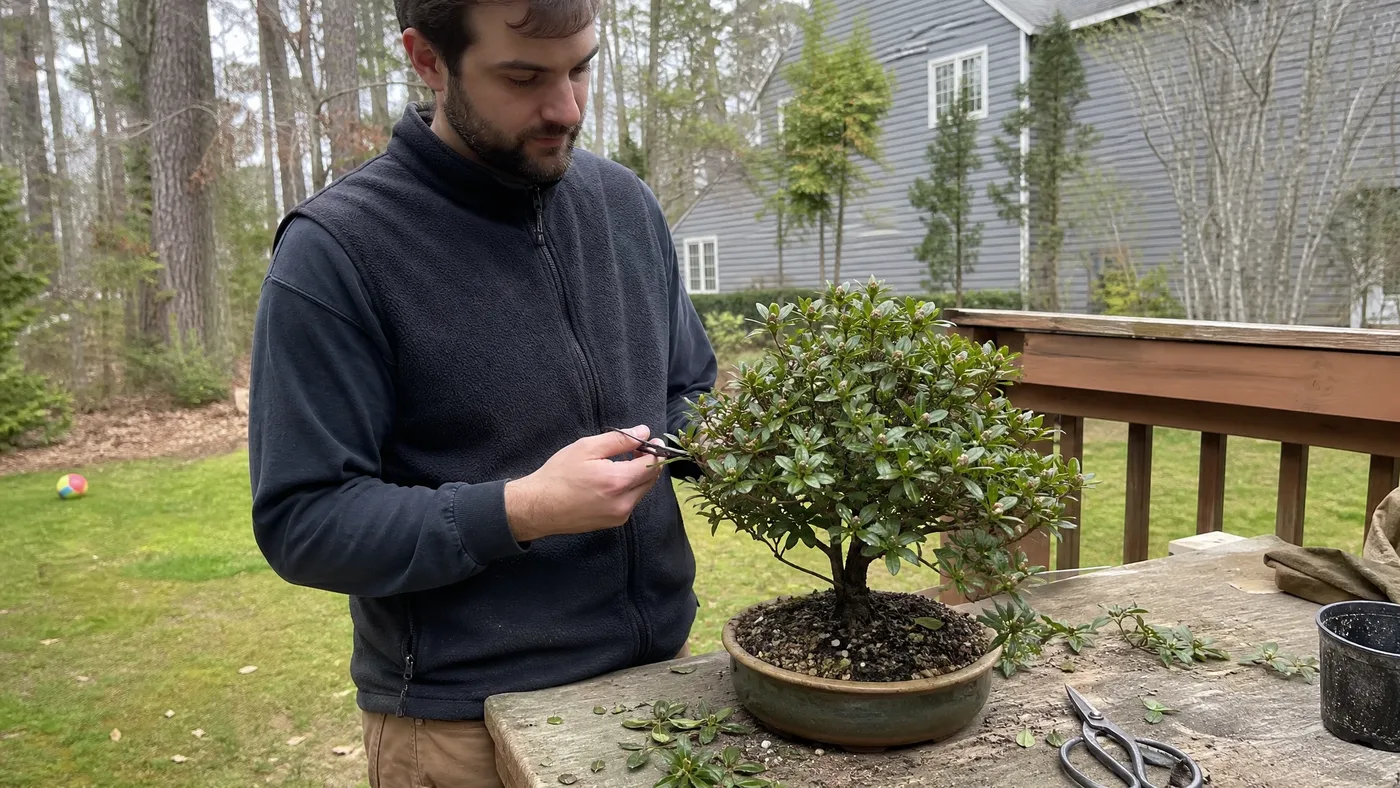
Growing Formosa Azalea as a Bonsai: What to Expect
A small Formosa on a windowsill that drops leaves in week two is one of the calls we get most about bonsai. The common belief is that a bonsai is a dwarf plant that likes a warm, bright room, and that a little leaf drop means it is finished. What we see instead is a full-size shrub shut in a shallow pot and parked somewhere dry, and the leaves are telling you which of those two things is wrong.
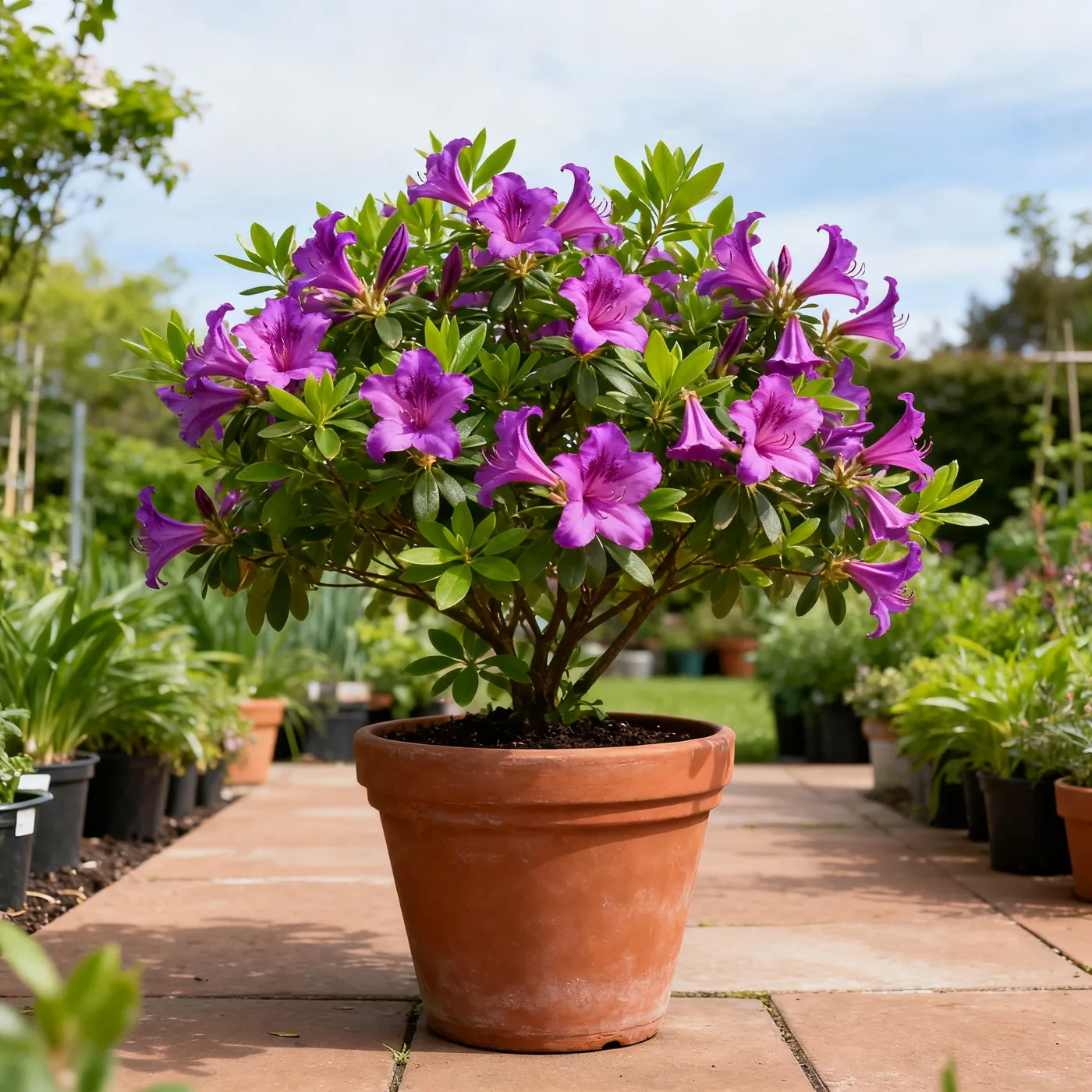
This guide follows the plant through its stages, and at each one it works the same way: if you see this, check that.
This article talks about buying, the first weeks, root pruning, spring bloom and winter for a Formosa azalea bonsai and answers the questions customers ask us most. Read on to learn which problems a watering change will fix and which ones mean the plant was a poor fit from the start.
Before You Buy, Rule Out Three Dealbreakers
Formosa is not a dwarf. The Southern Indica group it belongs to grows 6 to 12 feet tall and 6 to 8 feet wide, and a bonsai is that same shrub held small by pot size, root work and pruning. It never stops wanting to be big, so your site has to do the holding. Answer these three questions before you spend anything.
- Do you have a spot with bright, dappled light? Heavy shade causes weak growth and fewer flowers, so a dim north windowsill is a no. A bright east window, or a shaded bench outdoors, is a yes.
- Can you check the pot every day? A bonsai pot holds a small fraction of the water a garden bed does, and a heated room pulls moisture out of it quickly. If you travel often, this one fails.
- Do you have a cold, sheltered place for winter? Azalea bonsai need protection from cold drying winds, and a cold frame is the standard answer. A porch corner out of the wind can work. A warm living room does not.
If any answer is no, plant the Formosa in the garden and enjoy it at full size. Nothing is lost by that choice, and it is better than watching a bonsai fail.
Why We Start Outdoors
Common advice sells azalea bonsai as a houseplant. We disagree. Formosa is a shrub that lives outside and visits the house, and its magenta flowers open in the spring garden, not on a coffee table in January. If your plan is a permanent living room spot, choose another plant. For the basics of pots and potting mix before you commit, read our guide to growing Formosa Azalea in containers, which covers standard pots rather than bonsai training.
The First Weeks With Your Formosa Azalea in a Pot
Leaf drop in week two is almost always a change in water or light, not disease. Lift the pot before you do anything else. A pot that feels light means the mix dried out. A pot that feels heavy with limp leaves means the roots are sitting wet. Those two cases look the same from across the room and need opposite fixes.
The table below pairs the signs we hear about most with the likely cause and the first response. Work down it in order and change one thing at a time, so you know what worked.
| What you see | Likely cause | What to do |
|---|---|---|
| Leaves drop, mix is dry through the pot | The pot dried out between checks | Soak the whole pot until water runs out the bottom, then check daily |
| Leaves wilt, mix is soggy | Poor drainage or a saucer left full | Empty the saucer, hold off watering until the top of the mix dries |
| Yellow leaves, veins stay green | Mix or water too alkaline | Switch to rainwater and an acid mix |
| Brown, crisp leaf edges | Dry air from a heater or vent | Move the pot away from the source |
| Pale, sparse new growth | Too little light | Move to brighter, dappled light |
Water First, Then Soil
We often see customers water on a schedule instead of by feel. A schedule fails in a shallow pot, because the mix can go from damp to dry in a day during a warm spell. Check by lifting the pot and pressing a finger into the mix, and use our seasonal watering guide for the rhythm through the year.
If watering is right and the leaves still yellow, test the mix. Azaleas grow best in acid soil between pH 4.5 and 6.0, high in organic matter. Hard tap water slowly pushes a small pot of mix upward, and the yellowing between green veins is how that shows up. Repot into fresh acid mix if rainwater alone does not bring the color back.
Year One Brings Root Pruning and a Shallower Pot
Root pruning is what keeps a Formosa small, and it is gentler than most people expect. A Virginia Tech azalea bonsai article puts the amount at about one third of the roots, and it adds that the work does not injure or dwarf the plant. It slows growth. That distinction matters, because it means you are managing a vigorous shrub every year, not shrinking it once.
Check the roots when the plant has settled and the first flush of growth is done. A plant with roots circling the pot, or water that runs straight through without wetting the mix, is ready. Ask your local extension service for the best window in your zone, and avoid doing it in a flush of stress.
The Steps
- Water the plant the day before so the roots are supple.
- Slide the plant out and loosen the outer mix with a chopstick.
- Cut away about one third of the root mass, favoring the thick, circling roots and keeping the fine feeder roots.
- Choose a shallower pot with drainage holes. The pot should be only deep enough to hold the trimmed root ball with a thin layer of fresh mix under it.
- Pack fresh acid mix around the roots with no air pockets, and water thoroughly.
- Keep the plant out of wind and hot sun for several weeks and do not fertilize until new growth appears.
After this first move, later root pruning is simpler. The same source says to clean the container, use fresh soil and put the plant back in the same pot.
What Failure Looks Like
If shoots wilt and leaves yellow in the weeks after pruning, you cut too much or the mix stayed too wet. Water less, add shade, and wait. Do not feed a stressed plant. If whole branches stay dead after a couple of months, the root loss was too heavy, and next time take less and spread the pruning across more than one year.
If Spring Bloom Fails on a Miniature Formosa Azalea
Thin or missing flowers have four usual causes, and pruning date comes first. The Virginia Tech article says new shoots should be cut short after flowering, in June and no later than July 15, with downward-facing shoots removed completely. Prune after that date and you risk cutting off next spring's buds. If your plant bloomed well the first year and not the second, check your calendar before anything else.
Check the Pruning Date
Mark the flowers' last day, then prune within the window above. Cut shoots back to shape the tree and stop. A late tidy-up in the fall or winter removes the buds the plant has set. Our pruning guide for Formosa Azalea shrubs covers the same timing logic for a garden plant.
Check Light and Feeding
Light is next. Heavy shade reduces flower production, so a plant that sat on a dim sill all year will leaf out and not bloom. Move it to brighter, dappled light after the flowering season.
Feeding is the other half. A plant pushed for leafy growth makes shoots instead of buds, and an unfed plant in a small pot runs out of nutrients. Feed lightly with an acid-plant fertilizer and follow the schedule in our fertilizing guide.
Last, count the timing against the plant's natural calendar. Southern Indica azaleas bloom from late March into early April, and an indoor plant kept warm may open early and drop its flowers fast. If buds form and then stall, suspect dry roots before suspecting the plant itself.
Indoors or Out for the Established Bonsai Winter
The deciding factor is your winter, not your preference. The Southern Indica group is hardy in zones 6a through 9b. Inside that range, an established Formosa bonsai can stay outside with shelter. In the colder end of it, or anywhere a pot freezes solid, move it to an unheated place. A pot exposes the roots on every side, so it is always less hardy than the same plant in the ground.
Outdoors With Protection
Outdoors, the threat is cold drying wind, not cold alone. The Virginia Tech source says azalea bonsai wired in October or November need cold frame protection through winter. Set the pot in a frame or against a north-facing wall out of the wind, and check the mix every week or two. Evergreen leaves keep losing water when the mix is dry, so a dry winter pot browns the foliage by spring. For more on cold-climate care, see our winter care guide.
Indoors Only If It Stays Cool and Bright
Customers usually ask us whether a garage works. It works for shelter only if the plant still gets light, so pick a bright, unheated spot, not a dark corner. A heated living room is the one place we steer people away from. Warm dry air pulls moisture from a small pot, drops the leaves and pushes buds open early. If you must bring the plant in during a hard freeze, return it outside as soon as the freeze passes.
What a Mature Formosa Azalea Bonsai Gives Back
A settled Formosa bonsai is a dense, fine-twigged tree that carries a full coat of magenta flowers in the same late March to early April window as its garden relatives. The flowers are full size on a tiny plant, which is the reason people grow it. By the third or fourth year the routine runs itself: you know the pot's drying rate, the pruning date and where the plant sits in winter.
Keeping that bloom at small size takes four jobs every year.
- Prune new shoots right after flowering, and finish by July 15.
- Root prune about one third when the roots fill the pot, and refresh the mix with acid soil.
- Feed lightly and water by feel, not by the calendar.
- Give it dappled light and a sheltered winter.
Skip a year of pruning and the plant races back toward its natural size. Root pruning slows the growth but never stops it. A bonsai that has gotten away from you is not ruined. Cut back to a framework after bloom and reduce the roots in stages over a couple of seasons.
Reading Your Formosa Azalea Bonsai Through the Year
Use if-then checks, one per season. In spring, if the buds do not open in late March to early April, check light first and move the pot to brighter, dappled spot. In summer, if the flowers are done and it is nearing July 15, prune now or wait for next year. In fall, if leaves yellow between green veins, test the mix and switch to rainwater. In winter, if cold wind can reach the pot, move it into a frame or a sheltered corner.
Formosa Azalea
Nursery-grown Formosa Azalea in sizes from 1 Gallon, shipped to your door.
From $29.95
Shop Now →Bonsai keeps its roots in a small pot, which is why we raise our Formosa in the ground first: acid, well-drained soil with dappled light overhead, so the plant is vigorous before it ever sees a container. Every top-quality shrub we sell comes from our own farms, never from another supplier. When you want a Formosa to train and watch change through the seasons, browse what is in stock now.